







Unlocking the Wonders of Transcranial Magnetic Stimulation (TMS): A Comprehensive Guide to TMS Therapy
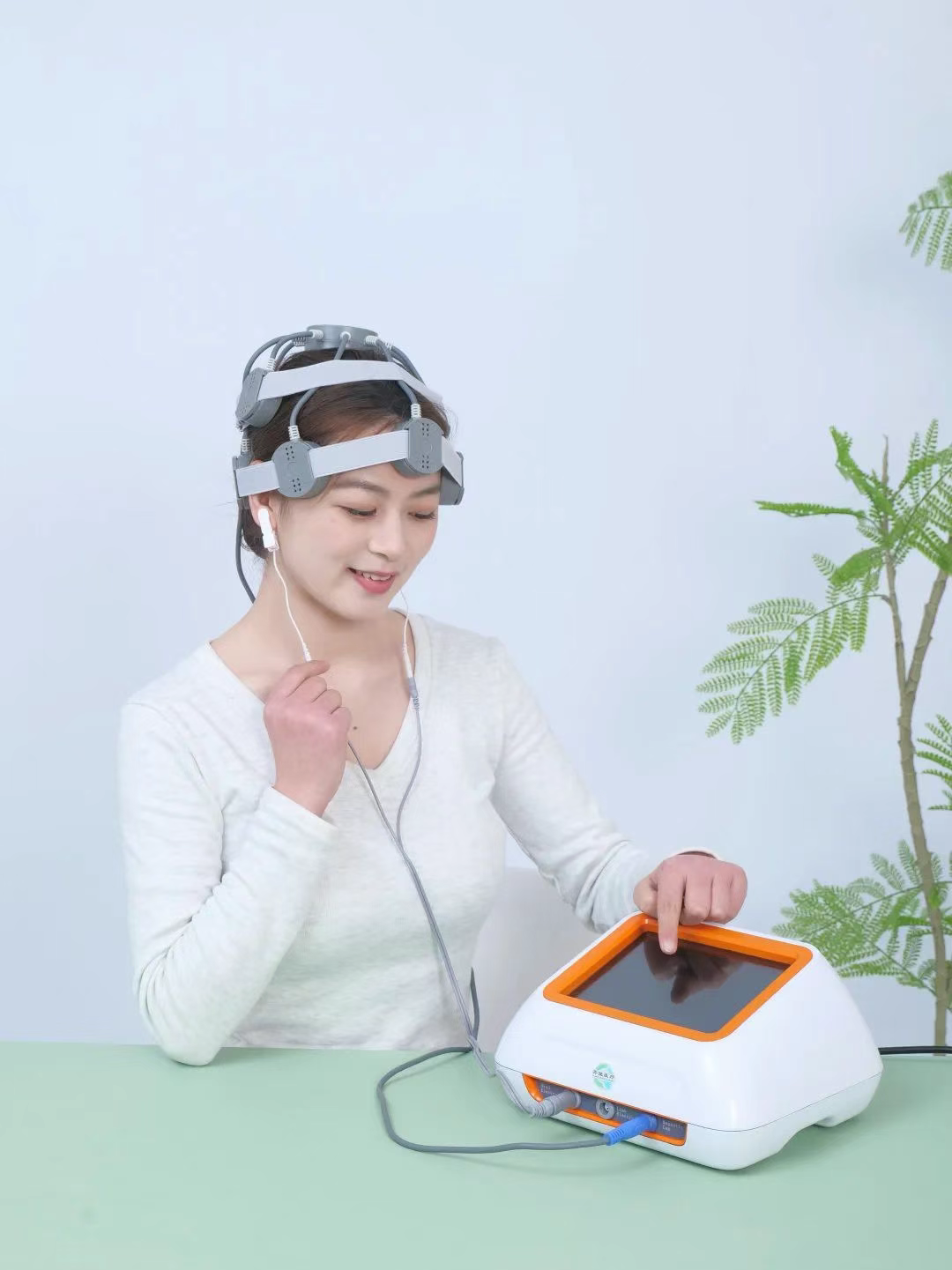
In the ever-evolving landscape of modern medical technology, transcranial magnetic stimulation (TMS) has emerged as a groundbreaking non-invasive therapy that is revolutionizing the way we approach various neurological and psychiatric conditions. If you’re curious about how this innovative technique works, which conditions it can help address, and the differences between strong and weak magnetic stimulation, you’ve come to the right place. Today, we’ll dive deep into the world of TMS, exploring its principles, applications, and the unique offerings of QIJIA, a leading manufacturer in the field.
The Science Behind Transcranial Magnetic Stimulation
At its core, transcranial magnetic stimulation is a fascinating technique that utilizes magnetic fields to stimulate nerve cells in the brain. The process is surprisingly simple yet incredibly effective. A specially designed coil is placed near the scalp, and when an electric current passes through the coil, it generates a magnetic field. This magnetic field can penetrate the skull and induce electrical currents in specific regions of the brain, influencing the activity of neurons.
Think of it as a precise and non-invasive way to “tap” on specific areas of the brain, encouraging them to function more optimally. This technology has come a long way since its inception, and researchers continue to uncover new ways to harness its potential for various therapeutic purposes.
Conditions That Can Benefit from TMS Therapy
TMS has shown promise in addressing a wide range of conditions, making it a versatile tool in the medical practitioner’s arsenal. Let’s take a look at some of the key conditions that can benefit from TMS therapy:
Depression
One of the most well-known applications of TMS is in the treatment of major depressive disorder. For individuals who have not responded adequately to traditional antidepressant medications, TMS can provide a much-needed ray of hope. Studies have shown that TMS can help alleviate symptoms of depression by stimulating areas of the brain involved in mood regulation.
Anxiety Disorders
Anxiety disorders, such as generalized anxiety disorder and social anxiety disorder, can also be targeted with TMS. By influencing the neural pathways associated with anxiety, TMS may help reduce excessive worry and fear, improving overall quality of life.
Obsessive-Compulsive Disorder (OCD)
OCD is a challenging condition that can significantly impact daily functioning. TMS has been explored as a potential treatment option, with the goal of reducing the intensity of obsessive thoughts and compulsive behaviors by modulating brain activity in relevant regions.
Post-Traumatic Stress Disorder (PTSD)
Individuals struggling with PTSD may find relief through TMS therapy. By addressing the neural mechanisms underlying traumatic memories and emotional responses, TMS could offer a new approach to managing the symptoms of this debilitating disorder.
Stroke Rehabilitation
After a stroke, parts of the brain may be damaged, leading to motor, speech, or cognitive impairments. TMS can be used as part of a rehabilitation program to help rewire the brain and promote neuroplasticity, potentially improving functional outcomes for stroke survivors.
Chronic Pain
Chronic pain conditions, such as fibromyalgia and neuropathic pain, can be incredibly difficult to treat. TMS has shown some promise in modulating pain signals in the brain, offering a non-pharmacological alternative for pain management.
Migraine Headaches
For those who suffer from frequent and severe migraines, TMS may provide a way to reduce the frequency and intensity of attacks. By targeting specific areas of the brain involved in migraine generation, TMS could offer a much-needed break from these debilitating headaches.
Traumatic Brain Injury (TBI)
TBI can result in a variety of cognitive and physical impairments. TMS is being investigated as a potential therapy to help restore brain function and improve symptoms in individuals with traumatic brain injuries.
Strong Magnetic vs. Weak Magnetic Stimulation: Unraveling the Advantages
When it comes to TMS, there are two main categories: strong magnetic stimulation and weak magnetic stimulation. Each has its own unique set of advantages, depending on the specific needs of the patient and the condition being treated. Let’s take a closer look at the benefits of each:
Advantages of Strong Magnetic Stimulation
· Potent Therapeutic Effects: Strong magnetic stimulation delivers a more powerful magnetic field, which can lead to more significant changes in brain activity. This can be particularly beneficial for conditions that require a stronger intervention, such as severe depression or treatment-resistant disorders.
· Faster Results: In some cases, strong TMS may produce noticeable improvements in symptoms more quickly than weak stimulation. This can be an important consideration for patients who are seeking rapid relief from their symptoms.
· Wider Range of Applications: Strong magnetic stimulation may be suitable for a broader range of conditions, especially those that are more severe or difficult to treat. It can also be used in research settings to explore new therapeutic targets.
Advantages of Weak Magnetic Stimulation
· Enhanced Safety Profile: Weak magnetic stimulation is generally considered to be even safer than strong stimulation, with a lower risk of side effects. This makes it an attractive option for patients who may be more sensitive to treatment or have underlying health conditions.
· Gentle and Comfortable: The lower intensity of weak TMS makes the treatment more comfortable for many patients. There is often less discomfort during the session, and side effects such as scalp irritation or headache are less common.
· Cost-Effective: Weak magnetic stimulation devices are often more affordable, both in terms of the initial investment and ongoing treatment costs. This can make TMS more accessible to a wider range of patients, especially those who may not have extensive insurance coverage.
· Suitable for Sensitive Populations: Children, the elderly, and individuals with certain medical conditions may be better candidates for weak magnetic stimulation due to its gentler nature.
QIJIA: Your Trusted Partner in TMS Technology
When it comes to high-quality TMS devices, QIJIA stands out as a leading manufacturer with a strong commitment to innovation and excellence. Here’s what sets QIJIA apart:
Expertise in Weak Magnetic Stimulation
QIJIA has established itself as a pioneer in weak magnetic stimulation technology. Our products are designed with precision and care, offering all the advantages of weak TMS while maintaining the highest standards of quality and safety. Whether you’re a healthcare provider looking for a reliable device for your practice or a patient seeking a gentle and effective treatment option, QIJIA’s weak magnetic stimulation products are an excellent choice.
In-House R&D and Manufacturing
One of the key strengths of QIJIA is our ability to handle every aspect of the production process in-house. From research and development to manufacturing, we have full control over the quality and performance of our products. This vertical integration allows us to ensure that each device meets our strict standards and delivers consistent, reliable results.
Unbeatable Price Advantage
At QIJIA, we believe that advanced medical technology should be accessible to as many people as possible. That’s why we’re proud to offer our TMS devices at highly competitive prices. By cutting out middlemen and leveraging our efficient manufacturing processes, we can provide top-quality products at a fraction of the cost of many competitors. This price advantage doesn’t mean we compromise on quality—quite the opposite. We’re committed to delivering the best value for your money.
Pioneering Strong Magnetic Stimulation
While we’ve made a name for ourselves in weak magnetic stimulation, QIJIA is also at the forefront of developing strong magnetic stimulation devices. Our dedicated R&D team is hard at work creating innovative strong TMS solutions that will meet the needs of healthcare providers and patients alike. By investing in both weak and strong magnetic stimulation technologies, we aim to provide a comprehensive range of options for TMS therapy.
Conclusion
Transcranial magnetic stimulation is a remarkable technology that holds great promise for the treatment of a wide range of neurological and psychiatric conditions. Whether you’re considering strong or weak magnetic stimulation, understanding the principles and advantages of each can help you make an informed decision.
QIJIA is proud to be a leader in the TMS field, offering cutting-edge weak magnetic stimulation products with an unbeatable price advantage, thanks to our in-house R&D and manufacturing capabilities. And with our ongoing efforts in developing strong magnetic stimulation devices, we’re committed to pushing the boundaries of TMS technology even further.
If you’re interested in learning more about QIJIA’s TMS solutions or want to explore how TMS therapy could benefit you or your patients, don’t hesitate to get in touch. The future of brain health is here, and QIJIA is ready to help you unlock its potential.