







Robotic Gloves: Revolutionizing Rehabilitation One Movement at a Time
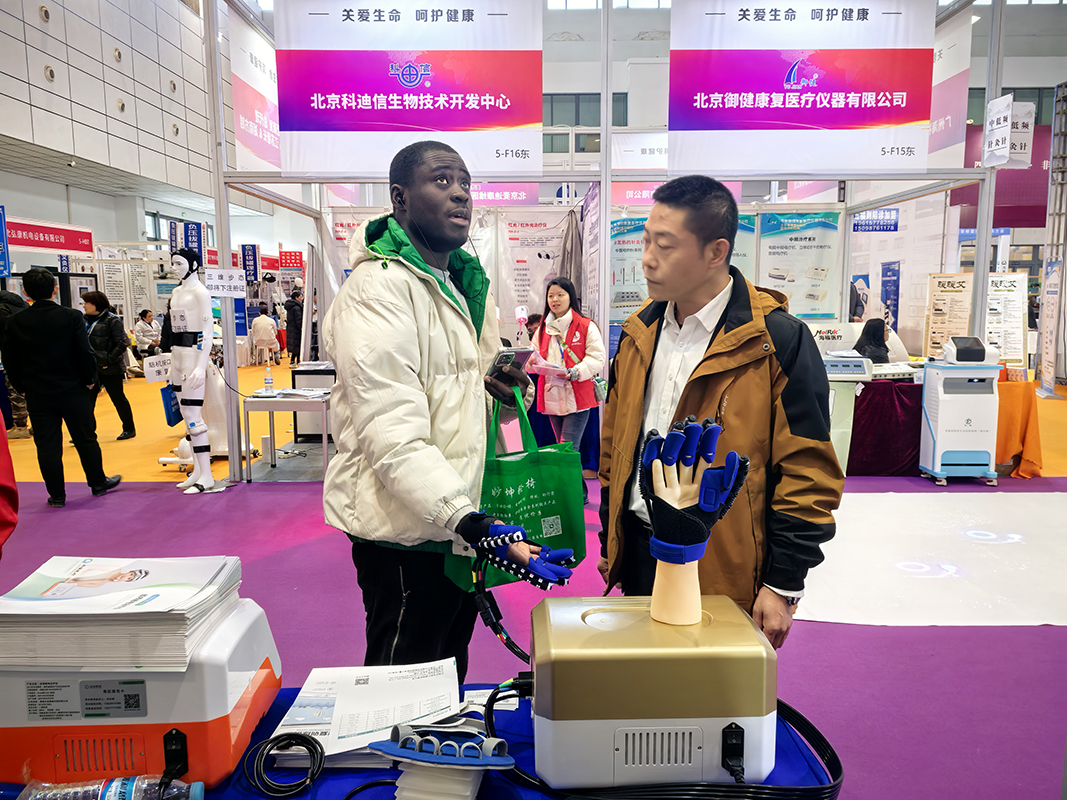
How Do Robotic Gloves Work?
Motorized Assistance: Miniature motors embedded in the glove gently guide fingers through precise movements—flexing, extending, and gripping—mimicking natural hand motion. This is crucial for patients with limited strength or control.
Sensory Feedback: Sensors detect even the faintest voluntary effort from the user, triggering the glove to amplify or complement that movement. It’s a collaborative process: the patient leads, the glove supports.
Customizable Therapy: Therapists program personalized exercises—from picking up marbles to typing on a keyboard—tailored to each patient’s needs. Progress is tracked in real time, allowing for adjustments that maximize results.
Who Benefits Most?
Stroke Survivors: Over 80% of stroke patients experience hand weakness. Robotic gloves help reawaken dormant motor skills, with studies showing significant improvements in grip strength and dexterity after just 12 weeks of use.
Spinal Cord Injury Patients: For those with partial paralysis, the gloves provide the support needed to perform daily tasks independently, reducing reliance on caregivers.
Individuals with Parkinson’s or Arthritis: Tremors and stiffness make fine motor skills challenging. The glove’s stability and controlled movements restore confidence in activities like writing or cooking.
Why They’re a Game-Changer
Increasing Engagement: Interactive exercises and progress tracking keep patients motivated—turning therapy into a goal-oriented journey.
Enhancing Consistency: The gloves allow for more frequent, focused practice, even at home, which is key to neuroplasticity.
Reducing Therapist Burden: By automating repetitive tasks, therapists can focus on personalized care and complex adjustments.