







Non-Invasive Suction Device: A Revolutionary Leap in Respiratory Care
The Drawbacks of Traditional Suction Devices
Patient Discomfort and Anxiety: The insertion process can be painful and distressing, especially for children, elderly patients, or those with sensitive airways. It often triggers gagging, coughing, or even laryngospasm, making the experience traumatic for the patient.
Risk of Complications: Invasive procedures increase the risk of airway injury, such as damage to the mucous membrane, bleeding, or infection. Prolonged or repeated use can also lead to inflammation and scarring of the airway tissues.
Limited Applicability: Traditional suction devices are not suitable for patients with certain conditions, such as severe airway stenosis, or those who are at high risk of complications from invasive procedures.
The Advantages of Non-Invasive Suction Devices
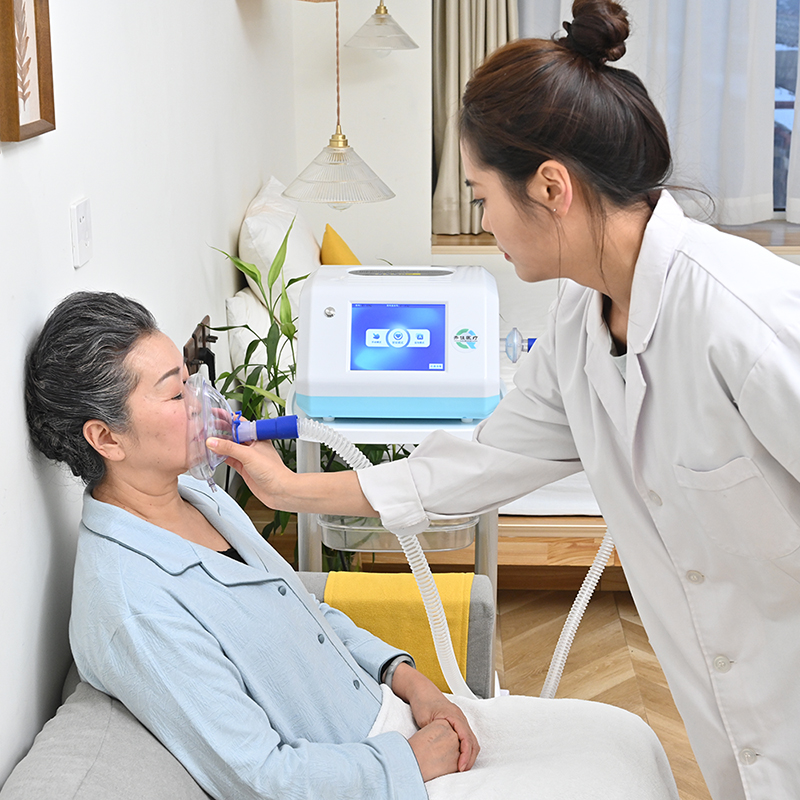
Enhanced Patient Comfort: By avoiding airway insertion, these devices eliminate the pain, discomfort, and anxiety associated with traditional suctioning. Patients, even the most vulnerable ones, tolerate the procedure much better, reducing the need for sedation.
Reduced Risk of Complications: The non-invasive approach significantly lowers the risk of airway injury, infection, and other complications. This is particularly crucial for patients with compromised immune systems or fragile airways.
Broader Applicability: They can be used in a wider range of patients, including infants, children, the elderly, and those with various respiratory conditions where invasive suctioning is contraindicated.
Ease of Use: Non-invasive suction devices are often simpler to operate, allowing healthcare providers to perform suctioning quickly and efficiently, even in emergency situations.
Core Technology: MIE Technology
Insufflation Phase: The device delivers a positive pressure breath to the lungs, expanding them and pushing air into the small airways. This helps to loosen and mobilize the secretions.
Exsufflation Phase: Immediately after insufflation, the device rapidly switches to negative pressure, creating a force similar to a strong cough. This force expels the loosened secretions from the airways, which can then be easily suctioned away.
Treatable Conditions and Target User Groups
Chronic Obstructive Pulmonary Disease (COPD): Patients with COPD often struggle with mucus buildup, which can worsen breathing difficulties. Non-invasive suctioning helps clear these secretions, improving lung function and reducing exacerbations.
Neuromuscular Diseases: Conditions such as muscular dystrophy, amyotrophic lateral sclerosis (ALS), and myasthenia gravis can weaken the respiratory muscles, impairing the ability to cough effectively. MIE technology-assisted suctioning helps these patients clear secretions and prevent respiratory infections.
Post-Operative Care: After surgeries, especially those involving the chest or abdomen, patients may have reduced cough strength. Non-invasive suction devices aid in removing secretions, promoting faster recovery and reducing the risk of post-operative pneumonia.
Pediatric Respiratory Conditions: Infants and children with conditions like bronchiolitis, cystic fibrosis, or congenital airway anomalies can benefit greatly from non-invasive suctioning, as it avoids the trauma of invasive procedures.
Hospitals and Clinics: They are invaluable in acute care settings, intensive care units (ICUs), and pediatric wards, where efficient secretion management is critical.
Home Care Settings: For patients with chronic respiratory conditions who require long-term care, non-invasive suction devices offer a convenient and safe solution, allowing them to receive treatment in the comfort of their homes.
Nursing Homes and Assisted Living Facilities: Elderly residents, many of whom have compromised respiratory function, can benefit from the gentle and effective suctioning provided by these devices.
In conclusion, the non-invasive suction device, with its advanced MIE technology, represents a significant advancement in respiratory care. By addressing the limitations of traditional invasive devices, it offers enhanced patient comfort, reduced complications, and broader applicability. Whether in a hospital, home, or long-term care facility, this device is poised to improve the quality of life for countless patients with respiratory conditions.