







Unlocking the Brain's Potential: The Revolutionary Power of Transcranial Magnetic Stimulation
Imagine a therapy that awakens dormant brain circuits without drugs or surgery. Transcranial Magnetic Stimulation (TMS) does exactly that. This non-invasive technology uses targeted magnetic pulses to stimulate nerve cells in regions like the dorsolateral prefrontal cortex—a key area for mood regulation. By inducing electrical currents in the brain, TMS reactivates underactive neural pathways, restoring balance in neurotransmitters like serotonin and dopamine. The result? A brain "reset" that combats treatment-resistant mental and neurological conditions with precision.
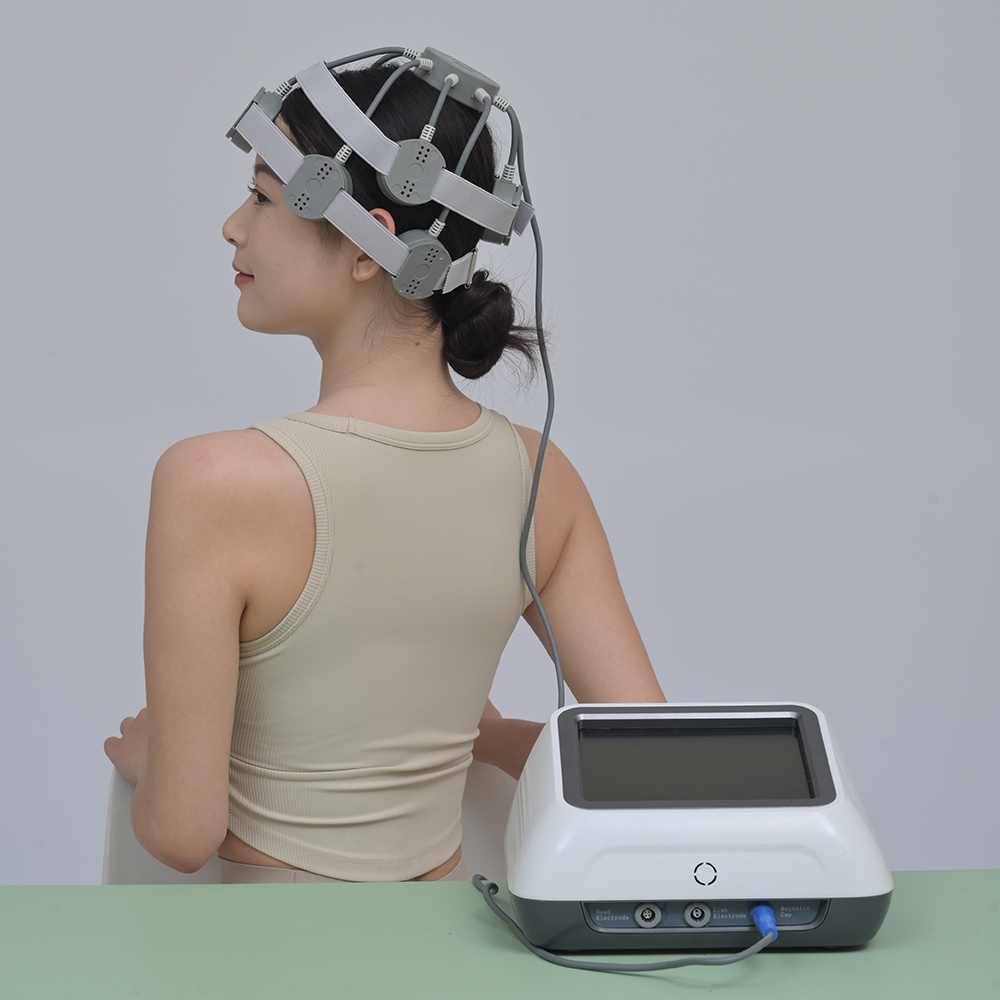
Why Low-Intensity TMS Stands Out
Weak-field TMS (e.g., intensities below 20mT) offers unique advantages, especially for sensitive or pediatric populations. Unlike high-intensity protocols, it minimizes side effects such as headaches or scalp discomfort while maintaining efficacy. This gentle approach enhances patient tolerance during extended treatments and allows for versatile applications—from easing anxiety to improving focus in neurodevelopmental disorders. Its safety profile makes it ideal for at-home use under remote medical supervision, broadening access to chronic care management.
QIJIA: Pioneering Accessible and Smart TMS Solutions
QIJIA’s CE-certified TMS equipment (Model N-200T-QJ) integrates cutting-edge innovations:
AI-Powered Targeting: Uses fMRI and EEG data to pinpoint brain regions with <0.5mm accuracy.
Adaptive Frequency Tech: Adjusts pulses (0.1–50Hz) for personalized stimulation.
Quantum Coils: Penetrates 6cm deep with 80% less energy loss.
VR Neurofeedback: Real-time brain activity visualization during sessions.
Certified by the FDA (depression, migraines), EU CE, and China CFDA, QIJIA devices ensure safety and global compliance.
Who Benefits and How
TMS treats a spectrum of conditions:
Mental Health: Major depression (72% show >50% symptom reduction), OCD, anxiety.
Neurological: Stroke rehabilitation (2.1× faster motor recovery), Parkinson’s, migraines.
Pediatric: ADHD (68% Conners Scale improvement), autism, emotional dysregulation.
Low-intensity protocols are particularly effective for children, the elderly, and those with medication sensitivities. Sessions last 20–40 minutes, require no recovery time, and show results within weeks.
OEM/ODM: Tailoring TMS for Global Needs
QIJIA specializes in TMS OEM/ODM manufacturing, offering customizable hardware and software solutions. Clients can:
Integrate proprietary algorithms or branding.
Adapt protocols for specific conditions (e.g., insomnia protocols targeting the default mode network).
Leverage cloud-based patient management systems for remote care.
This flexibility accelerates deployment in clinics, hospitals, and home-care settings worldwide.
Proven Impact, Global Trust
Over 37 countries rely on QIJIA’s TMS systems, backed by clinical validations:
83% response rate in depression studies, with 62% achieving full remission.
89% of chronic insomnia patients fall asleep faster within 3 weeks.
As research advances, TMS continues to redefine brain health—offering hope where traditional therapies fall short.
→ Explore how TMS can transform lives: CE-certified, patient-centric, and future-ready.