QIJIA TMS Device: CE-Certified, Non-Invasive Hope for Anxiety & Autism ?✨
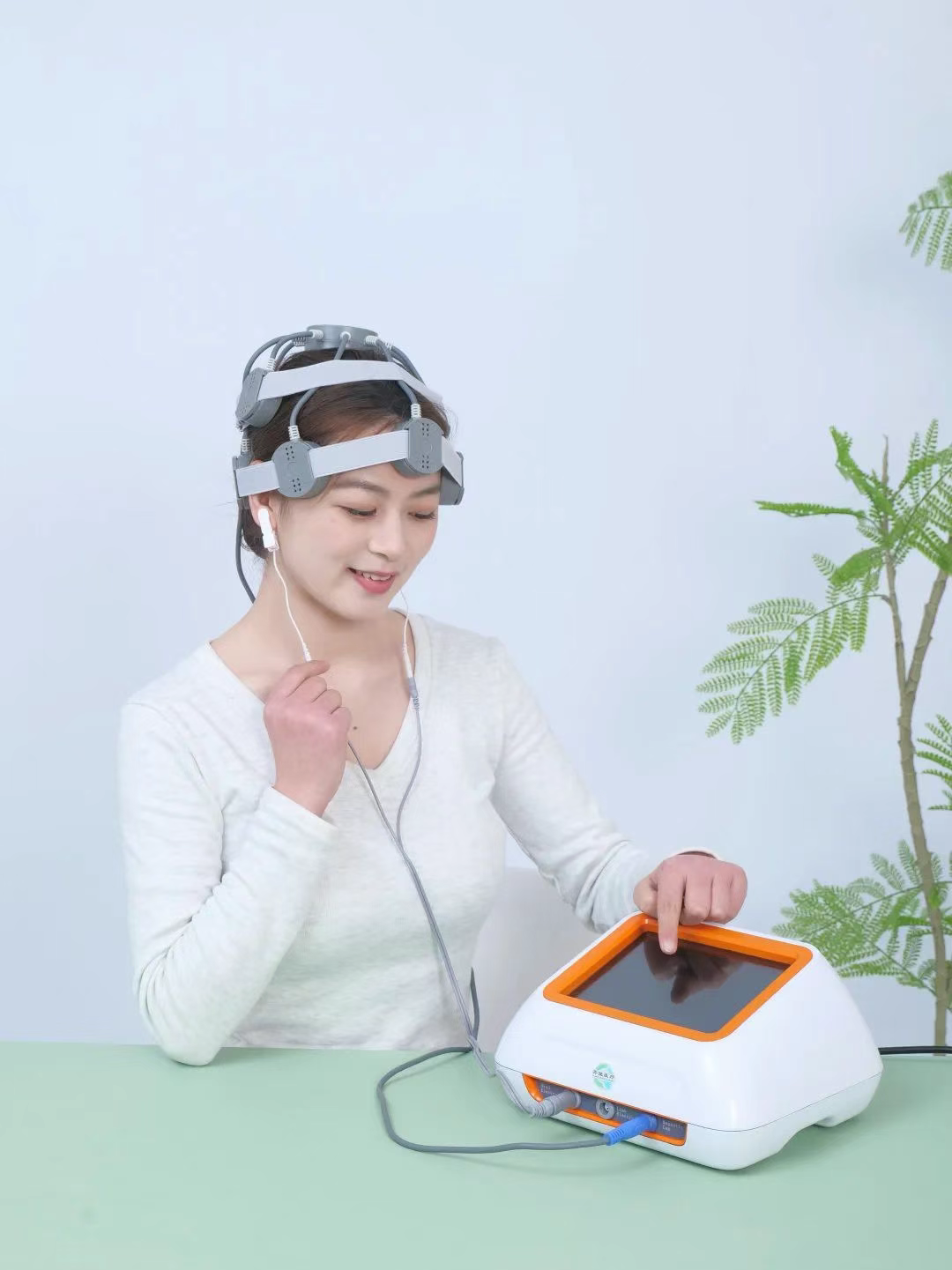
In the realm of neurotherapy, finding safe, effective, and accessible solutions can feel like navigating a maze—until now. Meet QIJIA’s **Transcranial Magnetic Stimulation Device**:a CE-certified innovation that’s redefining how we approach mental health and neurodevelopmental care with non-invasive weak magnetic technology and unbeatable value. Let’s dive into why this TMS machine is becoming a game-changer for clinics and families alike.
## ? What Makes QIJIA’s TMS Device Stand Out?
First things first: **CE certification isn’t just a label—it’s a promise**. As the mandatory safety mark for the European market , QIJIA’s certification means rigorous testing has confirmed its compliance with EU standards for safety, health, and performance. Unlike invasive treatments or unregulated devices, you can trust this tool to deliver results without compromising well-being.
But the real difference lies in two core strengths:
- **Non-invasive weak magnetic technology**: No electrodes, no surgery, no drug interactions. The device uses gentle magnetic pulses (safe for long-term use) that penetrate 2-3cm through the skull , targeting specific brain regions without damaging tissue. Side effects? Rare and mild—mostly brief scalp discomfort that fades within hours .
- **Unmatched affordability**: While top-tier TMS machines can cost over $150k , QIJIA cuts through the premium price tag without sacrificing quality. It’s designed for small clinics, pediatric centers, and even specialized home use—making advanced neurotherapy accessible to more people.
## ⚙️ How Does It Work? The Science Behind TMS
At its core, QIJIA’s **Transcranial Magnetic Stimulation Device** leverages electromagnetic induction —think of it as a “brain tuner” that adjusts neural activity:
1. A coil generates rapid, weak magnetic fields (far gentler than high-intensity medical models).
2. These fields pass through the skull and induce tiny electrical currents in targeted brain cells.
3. By adjusting stimulation frequency (low frequencies calm overactive areas; high frequencies boost underactive ones ), the device rebalances dysfunctional neural circuits linked to anxiety, autism, and more.
This precision is key: unlike broad-spectrum treatments, QIJIA’s device hones in on regions like the prefrontal cortex (critical for mood regulation) or the temporal lobe (linked to social cognition), ensuring every session is purposeful.
## ? Treatment Made Simple: What to Expect
QIJIA’s TMS machine is designed for ease—no complicated setup, no lengthy training required. Here’s the typical process:
1. **Assessment**: A clinician identifies the target brain region based on the condition (e.g., prefrontal cortex for anxiety, temporal lobe for autism).
2. **Session**: The patient sits comfortably while the coil is positioned near the scalp. Each session lasts 20-30 minutes—short enough to fit into a busy schedule.
3. **Frequency**: Most treatment plans involve daily sessions for 4-6 weeks, with maintenance sessions as needed. For autism, pediatric protocols use extra-gentle settings to suit young patients .
Best of all? Patients stay fully awake and alert—no recovery time needed. They can return to work, school, or play immediately after each session.
## ? Who Benefits Most? Key Uses & Populations
QIJIA’s **Transcranial Magnetic Stimulation Device** shines in two high-impact areas, plus more:
### 1. TMS for Anxiety Treatment: Calm Without Medication
Anxiety often stems from overactive amygdala and prefrontal cortex circuits. QIJIA’s low-frequency stimulation quiets these regions , reducing persistent worry, panic attacks, and social anxiety. It’s ideal for:
- Adults who can’t tolerate antidepressant side effects (e.g., weight gain, fatigue).
- Patients with “treatment-resistant” anxiety who haven’t responded to therapy alone.
- Anyone seeking a non-addictive alternative to anti-anxiety drugs .
Clinical data supports TMS as a safe, effective anxiety intervention—with QIJIA’s device making this relief more accessible than ever.
### 2. TMS Machine for Autism: Supporting Neurodevelopment
For autism spectrum disorder (ASD), TMS targets brain areas linked to social communication and sensory processing . QIJIA’s weak magnetic pulses are specially calibrated for children and adolescents, helping to:
- Improve eye contact and verbal communication.
- Reduce repetitive behaviors (e.g., hand-flapping).
- Enhance responsiveness to caregivers and therapists.
It’s not a “cure”—but it’s a powerful adjunct to behavioral therapy, offering families new hope for progress.
### 3. Additional Uses
The device also supports treatment for:
- Mild-to-moderate depression (boosts underactive mood circuits ).
- Insomnia (regulates sleep-wake cycle via cortex stimulation).
- Post-stroke motor recovery (stimulates motor cortex to rebuild neural pathways ).
## ? Why QIJIA Beats the Competition
Let’s break down the value proposition clearly: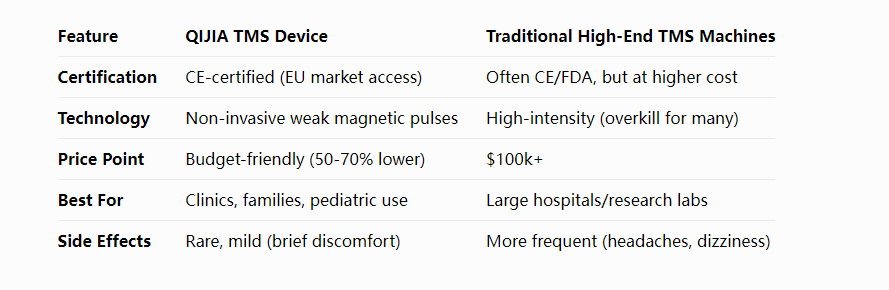 ## ? Final Thoughts: TMS for Everyone, Everywhere
QIJIA’s **Transcranial Magnetic Stimulation Device** isn’t just another medical tool—it’s a bridge between advanced neurotherapy and real-world accessibility. Whether you’re a clinic owner looking to expand services, a parent seeking autism support, or an adult tired of anxiety medication, this CE-certified, non-invasive machine delivers results without the premium price tag.
Ready to explore how TMS can transform care? QIJIA’s device proves that effective neurotherapy doesn’t have to be expensive or intimidating. The future of mental health and neurodevelopmental care is here—and it’s magnetic. ?
*Note: Always consult a licensed clinician before starting TMS treatment. QIJIA’s device is for therapeutic use under professional guidance.*
## ? Final Thoughts: TMS for Everyone, Everywhere
QIJIA’s **Transcranial Magnetic Stimulation Device** isn’t just another medical tool—it’s a bridge between advanced neurotherapy and real-world accessibility. Whether you’re a clinic owner looking to expand services, a parent seeking autism support, or an adult tired of anxiety medication, this CE-certified, non-invasive machine delivers results without the premium price tag.
Ready to explore how TMS can transform care? QIJIA’s device proves that effective neurotherapy doesn’t have to be expensive or intimidating. The future of mental health and neurodevelopmental care is here—and it’s magnetic. ?
*Note: Always consult a licensed clinician before starting TMS treatment. QIJIA’s device is for therapeutic use under professional guidance.*