







For patients with difficulty coughing effectively and sputum excretion, each breath can be considered an ordeal. Conventional sputum suction techniques can be quite traumatic and unpleasant for the patient without effectively addressing the demand for secure and efficient airway suction. Now, with innovative and leading respiratory care products like QIJIA, the latest non-invasive vacuum sputum aspirator with MIE technology and OLE oscillation devices represents a paradigmatic shift in airway suction systems.
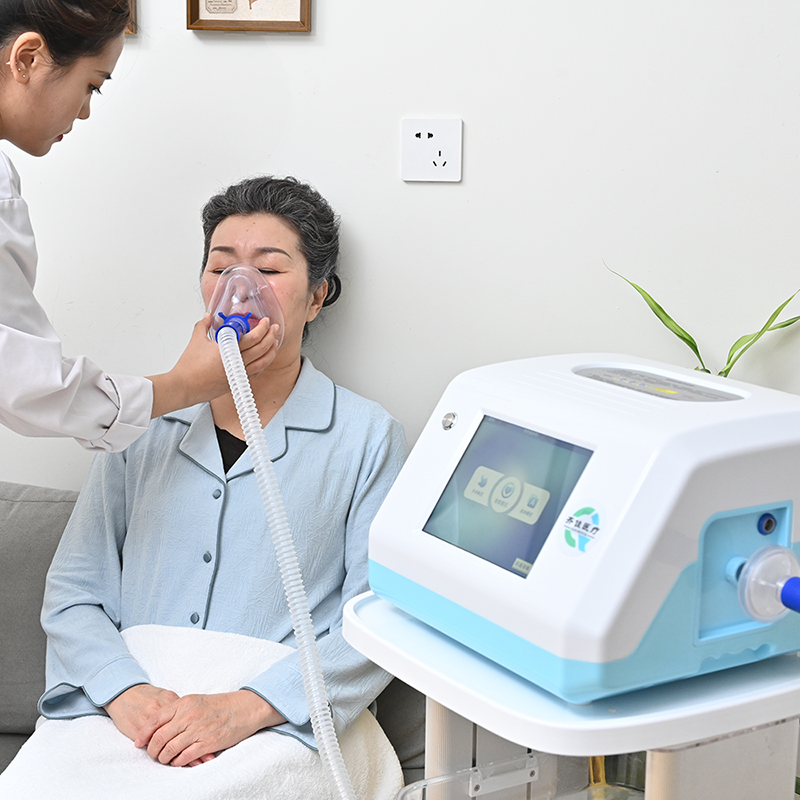
The Core Principle: How QIJIA’s Airway Clearance System Functions
Positive pressure air delivered into the lungs to inflate the lungs and alveoli. The goal is to dislodge the sputum accumulated in the deep airways. Expiratory phase involves the use of quick-switched negative pressure in creating fast air flow in the lungs. The fast air flow from the deep airways moves the sputum to the large airways and eventually to the throat for easy suction.
Remove sticky sputum from the airways. Thin the mucus. Facilitate the expectoration of mucus into the bigger airways through the assistance of MIE technology.
The History of Technology Development in Airway Clearance
Past Century: The only method was chest percussion, which was exhaustive and inefficient. 1980s: Birth of the first high-frequency chest wall oscillation machine, marking a turning point. Modern Trend: The innovation of MIE technology continues, with a trend towards non-invasive sputum remover products becoming increasingly prominent.
Treatment Methods: Personalized and Efficient Airway Clearance Techniques
Manual Mode: Patients can be ventilated using mechanical switches, lessening man-machine conflict and discomfort. Automatic Mode: For extended treatment, assists in saving 6 groups of program treatment cycles. The medical team verifies the amount of sputum excreted post-treatment.
Respiratory Triggering: Detects spontaneous breathing and adjusts the treatment rhythm accordingly for better biocompatibility. Observation of Cough Peak Flow & Blood Oxygen: Ensures treatment safety. Data Storage: Capable of storing patient information in up to 10 sets per treatment session to provide scientific evidence for long-term treatments.
Indications and Target Groups: Who Can Benefit?
ALS, Muscular Dystrophy (DMD), Poliomyelitis Sequelae (SMA) Multiple Sclerosis, Chest Wall Damage, Spinal Cord Injuries Postoperative Patients
COPD, Atelectasis, Lung Infection Tracheotomy Patients, Bronchiectasis, Bronchitis (It removes airway secretions and eases lung functions.)
Pediatric Pneumonia, the Elderly and Ill, Chronic Bedridden Patients Occupational Lung Disease Sufferers