QIJIA Repetitive Transcranial Magnetic Stimulation: A Non-Invasive Solution for Neuropsychiatric Disorders
In the realm of neuropsychiatric treatment, invasive procedures and drug dependence have long been major concerns for patients and clinicians. Today, repetitive transcranial magnetic stimulation (rTMS) emerges as a revolutionary non-invasive technology, and QIJIA, a leading brand in medical devices, is redefining treatment experiences with its advanced rTMS solutions. This article explores the core value of QIJIA’s rTMS, from its principles to practical applications, highlighting why it becomes a trusted choice for diverse neurological conditions.
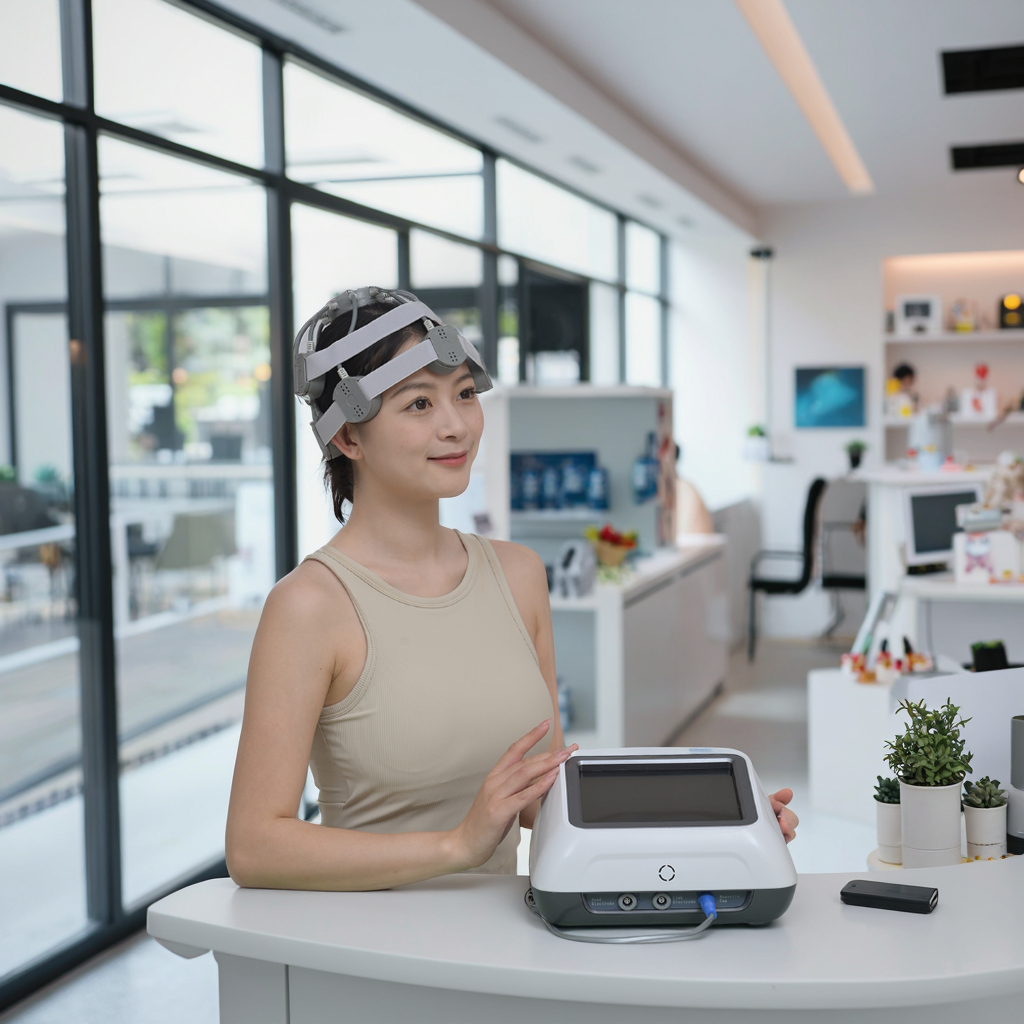
Core Technology & Working Principle
QIJIA’s rTMS is rooted in Faraday’s electromagnetic induction law, a cutting-edge approach recognized as one of the four core technologies in 21st-century brain science research. The device generates focused pulsed magnetic fields through a specialized coil, which penetrates the skull and scalp without attenuation to reach the cerebral cortex. These magnetic fields induce weak electrical currents in target brain regions, regulating neuronal excitability bidirectionally—high-frequency stimulation enhances cortical activity, while low-frequency stimulation inhibits it.
As a Class II medical device with ISO9001/ISO13485 and CE certifications, QIJIA’s rTMS ensures precise control of magnetic intensity and frequency. Its core advantage lies in non-invasiveness: no anesthesia, no incisions, and no systemic side effects associated with drugs, making it a safe alternative for long-term intervention.
Treatment Methods: Convenient & Personalized
QIJIA’s rTMS device features an 8-inch high-definition touch screen and one-key operation, simplifying the treatment process for both medical staff and patients. The magnetic induction intensity is adjustable in three gears (low: 3-8mT, medium: 8-13mT, high: 13-19mT), paired with four vibration frequency options (0Hz, 2Hz, 5Hz, 10Hz), enabling personalized plans based on individual conditions.
A typical treatment course consists of 10 sessions, with each session lasting 20-30 minutes. Patients can remain awake during the process, experiencing only mild scalp tingling or no discomfort at all. Unlike drug treatments that require long-term adherence, QIJIA’s rTMS achieves lasting therapeutic effects by inducing neuroplasticity, promoting long-term potentiation (LTP) or long-term depression (LTD) of synapses.
Applicable Conditions & Populations
QIJIA’s rTMS demonstrates remarkable efficacy in a wide range of neuropsychiatric and neurological disorders, covering Stroke Insomnia Anxiety Depression Autism as well as schizophrenia autism hyperactivity.
Depression & Anxiety: As a key application of depression transcranial magnetic stimulation, QIJIA’s rTMS targets the dorsolateral prefrontal cortex to regulate dopamine release and balance emotional neural pathways, effectively alleviating symptoms of major depressive disorder and generalized anxiety disorder, especially for patients intolerant to antidepressant drugs.
Stroke: It promotes neural remodeling and repairs damaged nerve conduction pathways, helping improve limb hemiplegia and aphasia caused by cerebral infarction when applied early.
Insomnia: By adjusting cerebral cortex excitability, it reduces nighttime awakenings and improves sleep quality without the risk of drug dependence.
Autism & Schizophrenia: For autism, it enhances social interaction and language abilities; for schizophrenia, it modulates abnormal neuronal activity, relieving positive and negative symptoms. It also aids in managing hyperactivity associated with neurodevelopmental disorders.
The treatment is suitable for adults, adolescents, and the elderly, as well as patients with mild to moderate symptoms or those who cannot tolerate invasive treatments.
Advantages of Low-Magnetic Intensity
QIJIA’s low-magnetic mode (3-8mT, <1T) stands out for its gentle yet effective performance, addressing the limitations of high-magnetic stimulation.
Firstly, it boasts superior safety: low-magnetic stimulation minimizes adverse reactions such as headaches and nausea, which may occur with high-magnetic intensity, making it ideal for patients with sensitive constitutions, the elderly, and children. Secondly, it focuses on holistic neural regulation, acting on the superficial cerebral cortex to improve overall brain function—such as enhancing attention, relieving stress, and regulating sleep cycles—rather than just targeting severe lesions.
Additionally, the low-magnetic mode allows for prolonged treatment courses if needed, accumulating therapeutic effects gradually without burdening the body. Combined with QIJIA’s multi-functional design (integrating magnetic stimulation, acupoint massage, and limb electrical stimulation), it offers a comprehensive solution for mild neuropsychiatric discomfort and preventive health management.
Conclusion: QIJIA rTMS – A Gentle Path to Neural Health
QIJIA’s
repetitive transcranial magnetic stimulation breaks the bottleneck of traditional neuropsychiatric treatment with its non-invasiveness, precision, and versatility. Whether for
depression transcranial magnetic stimulation, stroke rehabilitation, or managing
schizophrenia autism hyperactivity, it provides a safe and effective option. The low-magnetic advantage further expands its applicability, caring for the neural health of diverse populations.
In an era where health prioritizes minimal intervention, QIJIA continues to innovate, bringing accessible and high-quality rTMS solutions to more patients worldwide.