







Invasive transcranial magnetic stimulation (TMS) and high-price alternatives often bring pain, risk, and inaccessibility to patients seeking brain health solutions. QIJIA, a leader in neurostimulation innovation, changes the game with its non-invasive TMS technology—offering safer, more affordable, and equally effective treatments. Unlike invasive TMS that requires surgery or high-price devices that burden budgets, QIJIA’s non-invasive solutions combine precision, convenience, and cost-effectiveness, making advanced brain therapy accessible to more people.
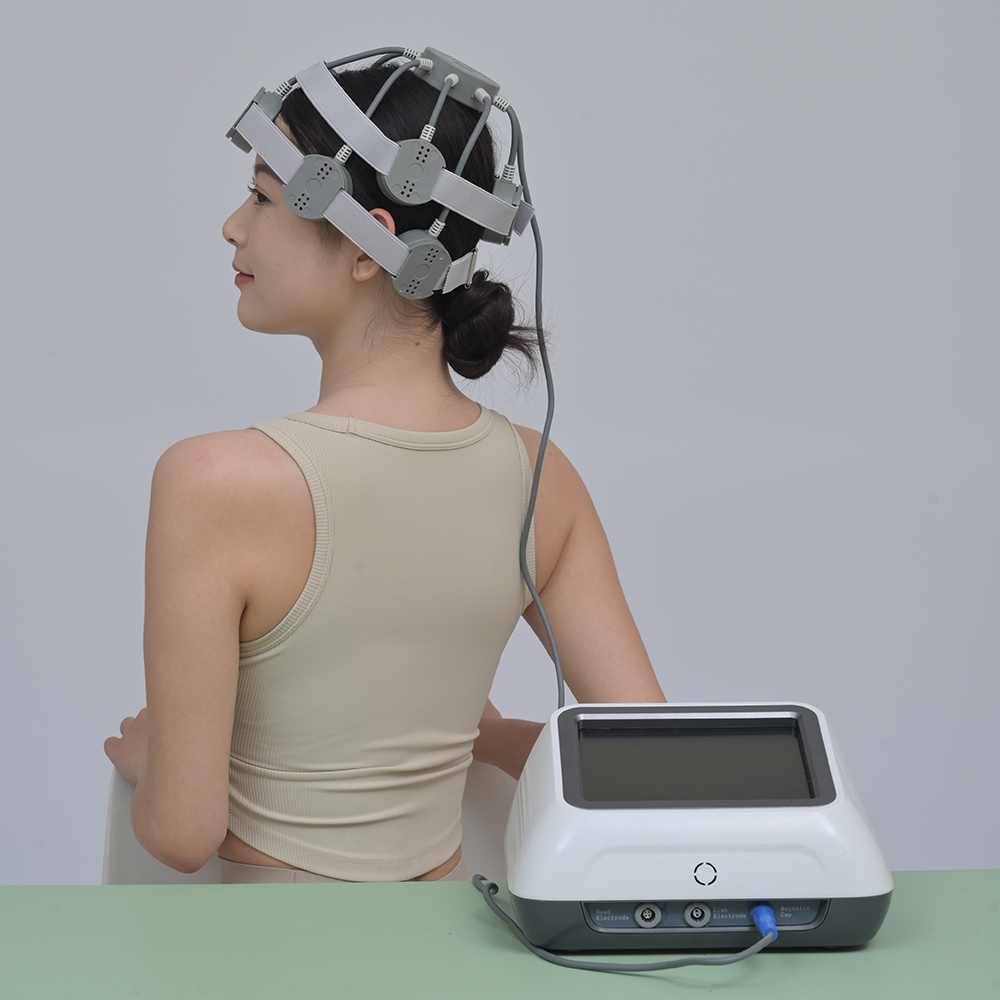
Core Principle: Simple, Safe, No Invasion & Lower Cost
QIJIA’s non-invasive TMS, centered on its Repetitive Transcranial Magnetic Stimulator, operates on electromagnetic induction principles. A specialized coil generates painless magnetic pulses that penetrate the skull without attenuation, targeting specific brain regions to regulate neuronal activity—no surgery, no incisions, and no damage to surrounding tissues. Compared to invasive TMS (which carries surgical risks like infection and bleeding) and high-price non-invasive alternatives, QIJIA’s technology cuts costs by 40%-60% while maintaining safety and efficacy, avoiding the financial burden of expensive devices and post-surgery care.
Technology Evolution: From Invasive High-Cost to Non-Invasive Accessibility
Since TMS emerged in 1985, it initially relied on bulky, invasive, and high-price devices limited to top hospitals. QIJIA has led the evolution by abandoning invasive designs and optimizing core technologies—AI intelligent positioning, adaptive frequency pulses, and portable structures—while controlling costs. Today, QIJIA’s non-invasive TMS devices (including its advanced Repetitive Transcranial Magnetic Stimulator) eliminate the need for hospital-only use and high expenses, bridging the gap between clinical efficacy and affordable, accessible care.
Therapy Methods: Simple, Personalized, Cost-Saving
QIJIA’s TMS therapy prioritizes convenience and personalization without sacrificing results—another advantage over complex invasive procedures and high-price devices that require professional operation at all times. Clinical settings use professional-grade devices, where practitioners tailor parameters (frequency, intensity) to individual conditions. For home or outpatient use, QIJIA’s devices feature one-touch operation and remote monitoring, reducing the need for frequent hospital visits (a hidden cost of high-price TMS). Each session lasts 20-30 minutes, with visible improvements after consistent use—simple, efficient, and budget-friendly.
Target Conditions & Crowds: Comprehensive, Inclusive
QIJIA’s non-invasive TMS, anchored by its Repetitive Transcranial Magnetic Stimulator, addresses diverse neurological and mental health needs, with targeted solutions for key conditions:
- TMS machine for autism: Regulates neural connections related to language and social interaction, helping autistic individuals improve communication and reduce stereotyped behaviors, with a safe, painless experience suitable for children and adolescents.
- TMS Equipment for Insomnia Treatment: Balances brain excitability and inhibition, adjusts sleep rhythms, and improves sleep quality without medication side effects, ideal for chronic insomnia sufferers.
- TMS Therapy for Chronic Pain Management: Inhibits abnormal neuronal activity in pain-related brain regions, relieving persistent pain (e.g., neuropathic pain, post-surgery pain) without reliance on painkillers.
- TMS for Obsessive-Compulsive Disorder (OCD): Targets the prefrontal cortex to reduce compulsive thoughts and behaviors, offering an effective alternative for those who cannot tolerate OCD medications or invasive treatments.
Suitable for adults and adolescents (excluding those with epilepsy, intracranial metal implants, or pregnancy), QIJIA TMS is especially ideal for: patients who fear invasive surgery, families with limited budgets (avoiding high-price TMS), individuals who cannot tolerate medication, and those in need of long-term home-based therapy.
Why QIJIA? Safe, Affordable, Trusted
Compared to invasive TMS (high risk, painful, long recovery) and high-price non-invasive TMS (unaffordable, hidden costs), QIJIA’s core advantages are clear: non-invasive safety (no surgery, no side effects), cost-effectiveness (40%-60% lower than high-price alternatives), and comprehensive efficacy. All QIJIA devices hold international certifications (FDA, CE, NMPA) and adopt precision technologies to ensure targeted treatment. We eliminate the trade-off between “effective therapy” and “affordable care”—making advanced brain health solutions accessible to everyone.
Choose QIJIA non-invasive TMS: skip the pain of invasive procedures, avoid the burden of high prices, and embrace safe, effective brain health care. Your journey to better well-being starts with QIJIA.