







Transcranial Magnetic Stimulation (TMS): Global Market Growth, Tech Advantages & QIJIA’s Premium Solutions
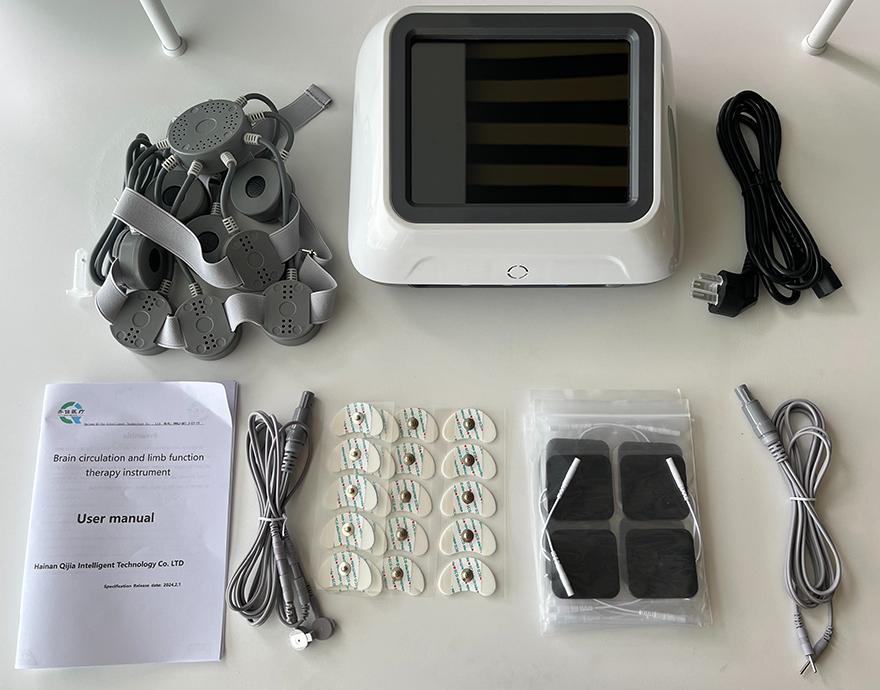
Transcranial Magnetic Stimulation is a cutting-edge non-invasive neuromodulation technology that has revolutionized modern neurological and psychiatric treatment systems. Amid the surging global prevalence of mental health and neurological disorders, traditional drug therapy and invasive surgical treatments face obvious limitations including side effects and high risks. As a safe, drug-free, and non-surgical alternative, Transcranial Magnetic Stimulation has gained massive recognition from medical institutions and research organizations worldwide. As a professional global medical device manufacturer, QIJIA focuses on the R&D and production of high-performance Transcranial Magnetic Stimulation equipment, providing standardized, compliant, and cost-effective solutions for international B2B buyers.
Global Industry Background and Authoritative Market Data
The global Transcranial Magnetic Stimulation industry maintains steady and high-speed growth, driven by rising global mental health awareness, improved medical consumption capacity, and expanded clinical application scenarios. Verified industry data shows the global TMS market size reached USD 2.14 billion in 2026, with a projected compound annual growth rate of 11.24% from 2026 to 2032, expected to hit USD 4.06 billion by 2032. Regionally, North America dominates the market with a 44% share due to mature medical systems and complete insurance coverage, while Europe accounts for 28% supported by sound public healthcare policies. The Asia-Pacific market presents the fastest growth potential, with a 19% market share and continuously increasing demand for non-invasive neurotherapy equipment. Currently, more than 3,200 professional clinical Transcranial Magnetic Stimulation devices are in stable operation worldwide, covering mainstream treatment scenarios such as depressive disorders, obsessive-compulsive disorders, and stroke rehabilitation.
Mainstream Global TMS Market Development Trends
The Transcranial Magnetic Stimulation industry is undergoing intelligent, miniaturized, and multi-scenario iterative upgrades in 2026. First, intelligent upgraded AI-integrated TMS systems have become the core innovation trend, realizing precise brain region positioning and automatic parameter adjustment to greatly improve treatment accuracy. Second, portable TMS devices are gradually replacing traditional large fixed equipment, adapting to outpatient clinics, community medical centers, and home auxiliary treatment scenarios. Third, the clinical application scope of standard TMS treatment equipment continues to expand, gradually extending from the initial treatment of refractory depression to chronic pain relief, PTSD intervention, and neurological rehabilitation after brain injury. In addition, global buyers are increasingly favoring TMS equipment with digital data recording and remote monitoring functions to improve clinical management efficiency.
Professional Technical Parameters and Product Structure of QIJIA TMS Devices
QIJIA’s Transcranial Magnetic Stimulation equipment strictly complies with international medical device safety and clinical standards, with stable and superior core technical parameters. The device supports an adjustable stimulation frequency ranging from 0.1Hz to 50Hz, covering low-frequency inhibitory stimulation and high-frequency excitatory stimulation modes to meet different clinical treatment needs. Its maximum adjustable magnetic field strength reaches 3.5T, with an effective penetration depth of 3cm, realizing accurate stimulation of deep brain neurons. The customizable pulse width ranges from 80μs to 320μs, ensuring safe and efficient neuronal regulation. Structurally, each QIJIA TMS device consists of three core modules: an intelligent main control unit for stable program operation, a high-energy storage capacitor bank for consistent pulse output, and replaceable professional stimulation coils, including figure-of-8 coils for focal treatment and circular coils for large-area brain region stimulation.
Standardized Manufacturing Process and Global Quality Compliance
All QIJIA Transcranial Magnetic Stimulation products adopt standardized, fully compliant manufacturing procedures in line with ISO 13485 medical quality management system and FDA, CE certification requirements. The entire production process covers precision coil processing, medical-grade circuit integration, intelligent module assembly, and multi-round performance calibration. Each component undergoes strict material screening and electrical safety testing, and finished products must pass 72 hours of continuous operation stability tests and magnetic field accuracy detection. This rigorous manufacturing process eliminates performance fluctuations, ensuring all TMS equipment maintains consistent clinical efficacy and long-term operational stability, fully meeting global medical industry access standards.
International Buyers’ Core Procurement Preferences and Pain Points
Global B2B buyers including international hospitals, professional psychiatric clinics, and neuroscience research labs have clear procurement demands for Transcranial Magnetic Stimulation equipment. Buyers prioritize product regulatory compliance, operational stability, and professional after-sales service, while high equipment costs, lack of professional technical training, and poor long-term maintainability are the main industry pain points. Most overseas purchasers also require multi-scenario adaptability and customizable parameter settings to match diversified clinical needs. QIJIA effectively solves buyer pain points through standardized compliant products, competitive pricing, professional overseas technical training, and a complete after-sales maintenance system, becoming a reliable long-term partner for global TMS equipment purchasers.
Conclusion
With the continuous expansion of global non-invasive neurotherapy demand, Transcranial Magnetic Stimulation will maintain sustained market growth and wider clinical popularization. Adhering to strict quality control and technological innovation, QIJIA provides high-quality, compliant, and cost-effective TMS equipment for global customers, continuously optimizing product performance and overseas service systems to empower the development of global neurological and mental health medical industries.