







QIJIA Non-Invasive Cough Assist Machine: Advanced Airway Clearance Solution for Global Respiratory Care
1. Rising Global Demand for Non-Invasive Airway Clearance Technologies
Chronic respiratory diseases, post-surgical pulmonary complications, and neuromuscular impairments have driven sustained growth in global demand for safe, efficient mucus management solutions. For patients with weakened cough reflex or impaired airway self-cleansing ability, retained sputum can trigger recurrent infections, atelectasis, and even life-threatening respiratory failure. Traditional invasive suction procedures carry inherent risks of airway mucosal damage, cross-contamination, and poor patient compliance, creating an urgent market need for gentle, effective alternatives.Against this backdrop, the non-invasive sputum cough machine has emerged as a core component of modern respiratory rehabilitation systems. As a professional medical device manufacturer integrating R&D and production, QIJIA MEDICAL has launched its premium cough assist machine to fill the gap in cost-effective, regulation-compliant airway management equipment for global B2B buyers including hospitals, rehabilitation clinics, and medical distributors. The device expands QIJIA’s complete airway Clearance System portfolio, alongside its industry-leading high-frequency chest wall oscillation vests, to deliver full-cycle respiratory care solutions.Market data shows that the global non-invasive respiratory equipment sector maintains an annual growth rate of over 9%, driven by aging populations, rising COPD prevalence, and growing awareness of post-operative pulmonary care. For B2B purchasers, selecting a reliable factory-supplied cough sputum machine has become a key strategy to capture fast-growing market demand while maintaining competitive pricing.2. Working Principle: How QIJIA Cough Assist Machine Delivers Effective Sputum Clearance
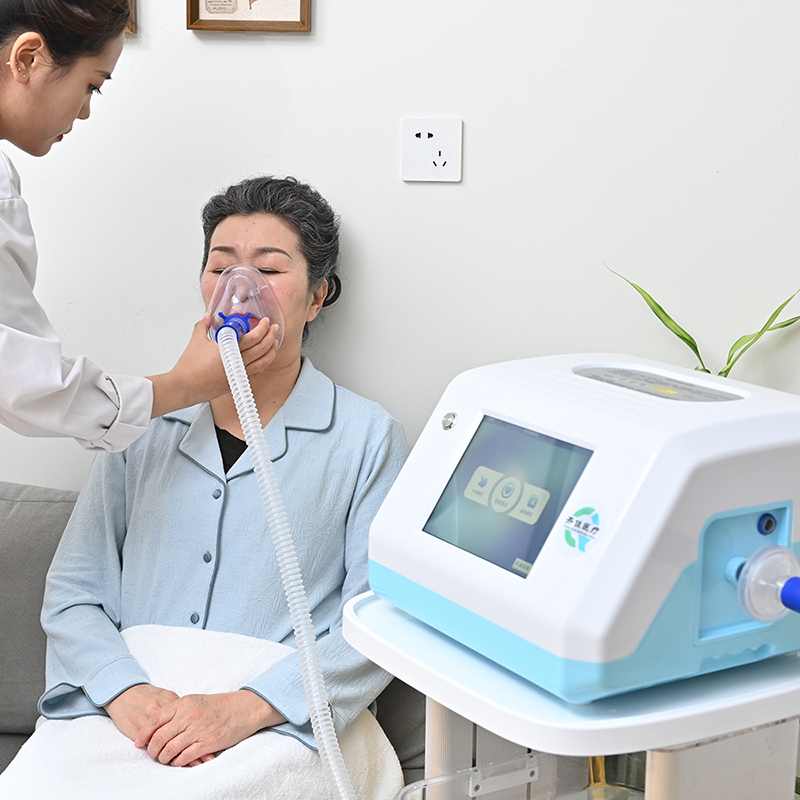
QIJIA’s non-invasive sputum cough machine operates on the physiological mechanism of simulated natural cough, adopting advanced positive-negative pressure cyclic technology to achieve safe, non-invasive mucus removal. During treatment, the device first delivers a controlled positive pressure to expand the patient’s airways, allowing airflow to reach deep-seated sputum attached to bronchial walls. It then rapidly switches to negative pressure to generate a high-velocity expiratory flow, which loosens and transports mucus upward toward the oropharynx for easy expectoration.Unlike invasive suction catheters that require insertion into the trachea, this cough sputum machine only requires a facial mask or mouthpiece to complete the full treatment process. The non-invasive design eliminates mechanical damage to the airway mucosa, reduces nosocomial infection risks, and significantly improves patient tolerance for long-term daily use. As a core module of QIJIA’s integrated airway Clearance System, the device can be used independently or combined with HFCWO vests for layered mucus management: oscillation vests first loosen deep sputum, and the cough assist machine then clears secretions from the central airways for enhanced therapeutic effects.All QIJIA respiratory devices, including this cough assist machine, have obtained CE and ISO13485 medical system certifications, complying with EU and global medical device import regulations. The equipment features adjustable pressure parameters, intelligent timing functions, and built-in safety alarms to adapt to adult, pediatric, and geriatric patient groups.3. Core Clinical Applications and Target User Groups
The non-invasive sputum cough machine covers a wide range of clinical and home rehabilitation scenarios, addressing sputum excretion disorders across multiple patient segments:Chronic respiratory disease patients: For individuals with COPD, bronchiectasis, cystic fibrosis, or chronic bronchitis, daily use of the cough sputum machine reduces sputum retention, lowers acute exacerbation rates, and slows lung function decline.
Post-surgical immobilized patients: Patients undergoing thoracic, abdominal, or neurosurgery often cannot cough effectively due to wound pain. The device provides passive airway clearance to prevent post-operative pneumonia and atelectasis, shortening hospital stays.
Neuromuscular disorder patients: Individuals with stroke, spinal cord injury, cerebral palsy, or myasthenia gravis suffer from weakened respiratory muscle strength and impaired cough reflex. This airway Clearance System core device supports long-term daily sputum management to avoid life-threatening respiratory complications.
Pediatric and geriatric rehabilitation groups: Children with underdeveloped cough function and elderly patients with degraded physiological capacity have low tolerance for invasive procedures. The non-invasive design ensures high compliance for long-term home rehabilitation use.