





How High-Frequency Chest Wall Oscillation (HFCWO) Improves Airway Clearance for COPD and Bronchiectasis
Chronic respiratory diseases often make it difficult for patients to clear mucus effectively, leading to persistent coughing, breathing difficulties, frequent infections, and reduced quality of life. As respiratory care continues to advance, High-Frequency Chest Wall Oscillation (HFCWO) has become one of the most recognized airway clearance therapies for patients with chronic lung diseases.
Modern Airway Clearance Systems provide a non-invasive solution that helps mobilize secretions, making mucus easier to remove through natural coughing. Healthcare providers around the world increasingly incorporate HFCWO therapy into comprehensive pulmonary rehabilitation programs because of its convenience, effectiveness, and patient comfort.
As a professional manufacturer of respiratory rehabilitation equipment, QIJIA Medical is committed to developing innovative airway clearance solutions that support healthcare professionals and patients worldwide.
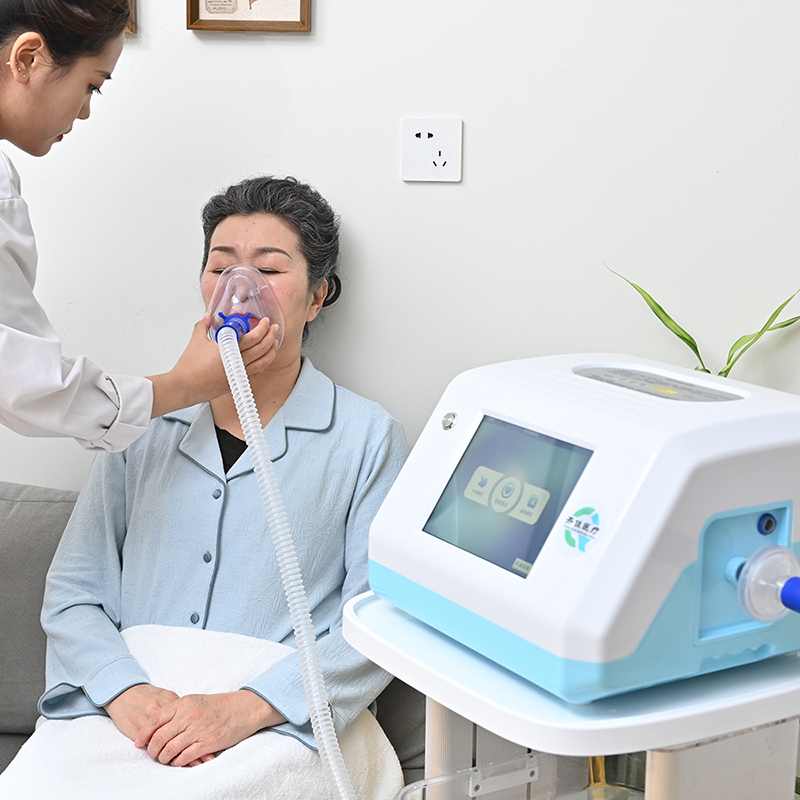
Table of Contents
What Is High-Frequency Chest Wall Oscillation (HFCWO)?
How Does an Airway Clearance System Work?
Why Mucus Clearance Is Important
Benefits of HFCWO Therapy
Who Can Benefit from Airway Clearance Therapy?
Choosing the Right Airway Clearance System
Frequently Asked Questions
What Is High-Frequency Chest Wall Oscillation (HFCWO)?
High-Frequency Chest Wall Oscillation (HFCWO) is an advanced airway clearance therapy designed to help loosen and mobilize mucus trapped inside the lungs. The therapy uses an inflatable vest connected to an air pulse generator that rapidly inflates and deflates, creating gentle oscillations across the chest wall.
These oscillations generate airflow changes inside the lungs, helping separate mucus from the airway walls. Once loosened, the mucus moves toward larger airways, where patients can remove it more easily by coughing or suctioning if necessary.
Unlike traditional manual chest physiotherapy, HFCWO therapy provides consistent pressure and frequency throughout each treatment session. This standardized approach allows healthcare providers to deliver repeatable therapy while improving patient comfort and reducing caregiver workload.
How Does an Airway Clearance System Work?
An airway clearance system combines controlled air pressure with high-frequency oscillations to create repeated compressions of the chest wall. These rapid compressions help mobilize mucus from the smaller airways toward the central airways.
The treatment generally involves three physiological effects:
Loosening thick mucus attached to airway walls.
Increasing airflow behind mucus plugs to move secretions upward.
Stimulating natural coughing for more effective mucus removal.
Because the therapy is non-invasive and does not require medication, it has become an important complementary treatment for patients experiencing chronic mucus retention.
Many hospitals, rehabilitation centers, and home-care providers now include HFCWO therapy as part of comprehensive respiratory management plans for selected patients with chronic pulmonary diseases.
Why Mucus Clearance Is So Important
Healthy lungs naturally remove mucus through tiny hair-like structures called cilia. However, many respiratory diseases damage this self-cleaning mechanism, allowing mucus to accumulate inside the airways.
When mucus remains trapped, patients may experience:
Persistent coughing
Shortness of breath
Chest congestion
Recurring respiratory infections
Reduced oxygen exchange
Declining lung function
Over time, retained secretions may increase the risk of inflammation and bacterial colonization. Effective airway clearance therapy therefore plays an essential role in helping patients maintain respiratory health and improve daily comfort.
Key Benefits of HFCWO Therapy
1. Promotes Efficient Mucus Removal
One of the primary advantages of HFCWO therapy is its ability to mobilize mucus from deep inside the lungs. Regular treatment sessions help patients clear secretions more effectively than coughing alone.
2. Improves Breathing Comfort
Removing excess mucus reduces airway obstruction, allowing air to flow more freely. Many patients report feeling less chest tightness after completing therapy sessions.
3. Supports Pulmonary Rehabilitation
Airway clearance therapy is frequently incorporated into pulmonary rehabilitation programs alongside breathing exercises, medication management, and physical activity to help optimize respiratory function.
4. Non-Invasive and Comfortable
Unlike invasive suction procedures, HFCWO therapy is performed externally using an inflatable vest. Most patients tolerate treatment well and can complete therapy while sitting comfortably.
5. Suitable for Home and Clinical Use
Modern airway clearance systems are designed for use in hospitals, rehabilitation centers, long-term care facilities, and home environments, providing flexibility for long-term respiratory management.
Who Can Benefit from Airway Clearance Therapy?
Healthcare professionals may recommend HFCWO therapy for patients who have difficulty clearing mucus because of chronic respiratory conditions. Depending on individual clinical evaluation, airway clearance techniques may be considered as part of the management plan for diseases involving retained pulmonary secretions.
Common conditions where airway clearance strategies are used include:
Bronchiectasis
Cystic Fibrosis
Chronic Obstructive Pulmonary Disease (COPD)
Neuromuscular Disorders affecting cough strength
Post-operative pulmonary care in selected cases
Other chronic conditions associated with impaired mucus clearance, as determined by healthcare professionals
Treatment suitability should always be assessed by qualified clinicians, who can determine the appropriate therapy based on the patient's diagnosis, respiratory status, and overall medical condition.
Why Choose QIJIA Airway Clearance Systems?
Selecting the right airway clearance equipment is essential for both healthcare providers and patients. A high-quality system should deliver consistent oscillation performance, offer flexible treatment settings, and provide a comfortable user experience for long-term therapy.
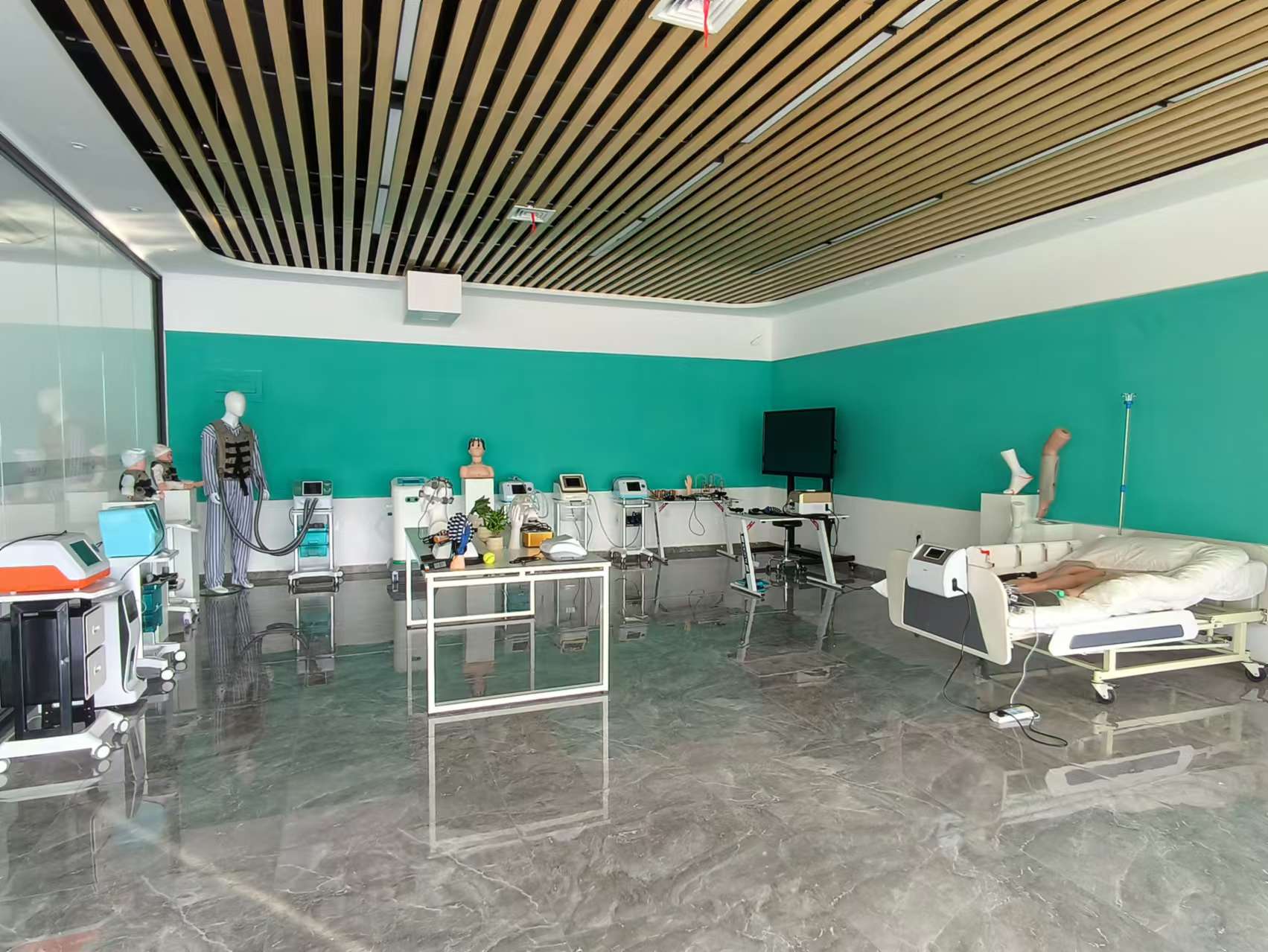
QIJIA Medical focuses on developing respiratory rehabilitation equipment designed to meet the needs of hospitals, rehabilitation centers, distributors, and medical equipment suppliers worldwide. Our airway clearance systems are engineered with user-friendly controls, reliable pneumatic technology, and durable components to support daily clinical use.
In addition to airway clearance solutions, QIJIA provides a growing portfolio of rehabilitation and respiratory therapy equipment. Explore our complete range ofRespiratory Therapy Productsto discover solutions for different clinical applications.
Stable and reliable pneumatic oscillation technology
Adjustable treatment parameters
Comfortable vest design for various patient sizes
Suitable for hospitals, rehabilitation centers, and home care under professional guidance
OEM and ODM manufacturing support
Professional technical and after-sales service
Best Practices for Airway Clearance Therapy
To maximize the effectiveness of HFCWO therapy, healthcare professionals generally recommend establishing a consistent treatment routine. The exact treatment frequency and duration should always follow the advice of qualified medical professionals.
Patients may achieve better therapy outcomes by combining airway clearance with other components of respiratory care, including:
Proper hydration to help keep mucus less viscous.
Breathing exercises recommended by respiratory therapists.
Regular physical activity when appropriate.
Prescribed medications and inhalation therapy.
Routine follow-up with healthcare providers.
Maintaining the equipment according to the manufacturer's instructions is equally important. Regular cleaning of the vest, tubing, and accessories helps ensure hygienic operation and extends the service life of the device.
The Future of Airway Clearance Technology
As respiratory care continues to evolve, airway clearance technologies are becoming more intelligent, portable, and patient-centered. Manufacturers are introducing improved control systems, quieter operation, enhanced comfort, and more personalized treatment options.
Growing awareness of pulmonary rehabilitation and home healthcare is also increasing demand for effective airway clearance solutions. Medical institutions and distributors are looking for reliable manufacturers that can provide high-quality products, technical support, and customized OEM or ODM services.
QIJIA Medical remains committed to continuous innovation, delivering professional respiratory rehabilitation equipment that supports healthcare providers in improving patient care worldwide.
Conclusion
High-Frequency Chest Wall Oscillation (HFCWO) has become an important airway clearance technique for patients who experience chronic mucus retention. By helping loosen and mobilize secretions, HFCWO therapy can support comprehensive respiratory management when prescribed by qualified healthcare professionals.
Whether used in hospitals, rehabilitation centers, or home care settings, modern airway clearance systems offer a non-invasive approach that complements broader pulmonary rehabilitation programs.
If you are looking for a trusted manufacturer of airway clearance equipment or would like to learn more about our respiratory rehabilitation solutions,Contact Our Teamtoday. Our specialists are ready to discuss product information, OEM & ODM cooperation, and international distribution opportunities.
Frequently Asked Questions (FAQ)
1. What is an Airway Clearance System?
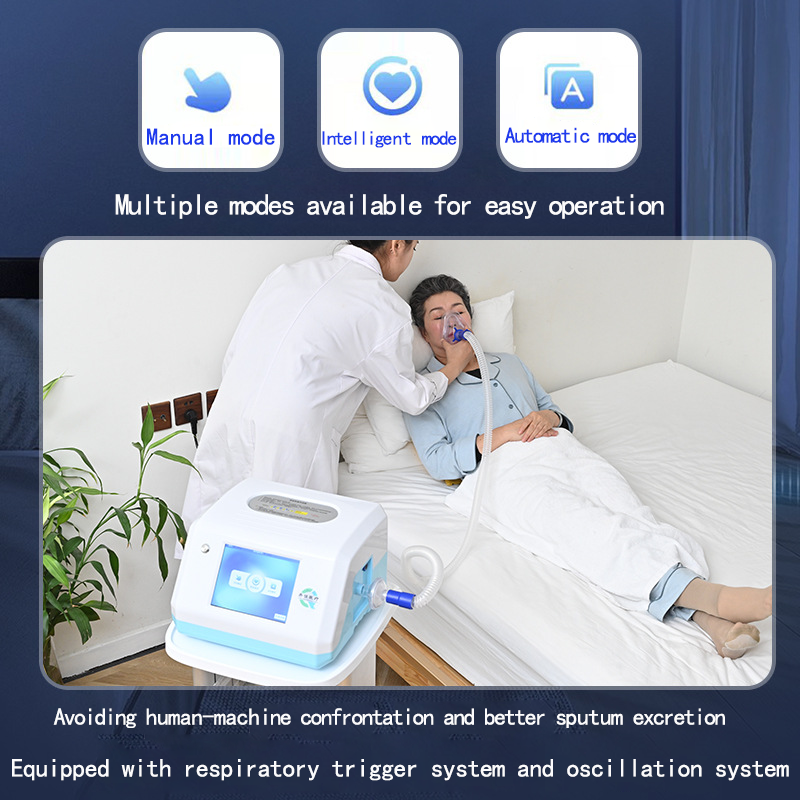
An airway clearance system is a medical device designed to help mobilize and remove mucus from the lungs. It is commonly used as part of respiratory care for selected patients with chronic pulmonary conditions.
2. Is HFCWO therapy suitable for home use?
Some HFCWO systems are designed for home use under the guidance of qualified healthcare professionals. Patients should always follow medical advice regarding treatment schedules and device settings.
3. Which diseases may benefit from airway clearance therapy?
Airway clearance techniques may be recommended for conditions such as bronchiectasis, cystic fibrosis, COPD, and certain neuromuscular disorders when impaired mucus clearance is present. Suitability should always be determined by a healthcare provider.
4. How long does a typical treatment session last?
Treatment duration varies depending on the patient's condition and the physician's recommendations. Many therapy sessions commonly last between 20 and 30 minutes, but individual treatment plans may differ.
5. Can HFCWO replace medication?
No. HFCWO therapy is generally considered a complementary treatment and should be used alongside the overall treatment plan prescribed by healthcare professionals.
6. Does QIJIA Medical support OEM and ODM cooperation?
Yes. QIJIA Medical provides OEM and ODM manufacturing services for global medical equipment distributors, healthcare brands, and business partners seeking customized respiratory rehabilitation solutions.