







How to Prevent Deep Vein Thrombosis (DVT): Understanding Risks, Causes and Prevention Solutions
Deep vein thrombosis (DVT) is a serious vascular condition that occurs when a blood clot forms inside a deep vein, most commonly in the legs. Although many people associate blood clots with older adults or hospitalized patients, modern lifestyles such as prolonged sitting, long working hours, and reduced physical activity have increased awareness of DVT risks among a wider population.
For individuals who spend many hours sitting in offices, driving, traveling, or standing for extended periods at work, poor venous circulation may gradually increase pressure on the lower limbs. Combined with factors such as aging, obesity, varicose veins, surgery recovery, or limited mobility, the risk of developing deep vein thrombosis may become higher.
Understanding DVT risk factors and taking preventive measures is important for maintaining healthy blood circulation. In hospitals, rehabilitation centers, and nursing facilities, mechanical prevention methods such as intermittent pneumatic compression (IPC) devices are widely used to support venous circulation and reduce the risk associated with immobility.
What Is Deep Vein Thrombosis (DVT)?
Deep vein thrombosis refers to the formation of a blood clot inside a deep vein, usually in the lower leg, thigh, or pelvis. Unlike surface veins that are visible under the skin, deep veins carry a large amount of blood back to the heart.
When blood flow becomes slow or stagnant, blood components may accumulate and form a clot. If a clot becomes detached and travels through the bloodstream to the lungs, it may cause pulmonary embolism (PE), a potentially life-threatening condition.
Because early DVT symptoms can sometimes be difficult to recognize, prevention is especially important for high-risk individuals.
Why Are More People at Risk of DVT Today?

1. Long Periods of Sitting and Reduced Movement
Modern lifestyles involve more sitting than ever before. Office workers, drivers, frequent travelers, and people who spend long hours using computers may remain in the same position for several hours.
Normally, leg muscles act like a natural pump, helping blood return from the legs toward the heart. When movement is reduced, this muscle pump becomes less active, causing slower venous circulation.
Long-distance flights, car journeys, and sedentary office work are common situations where prolonged immobility may contribute to increased DVT risk.
2. Long-Term Standing and Venous Pressure
While sitting for too long is often discussed as a DVT risk factor, prolonged standing can also affect lower limb circulation.
Teachers, healthcare workers, factory employees, retail staff, and other professionals who stand for many hours may experience increased pressure in leg veins. Over time, this may contribute to symptoms such as leg swelling, heaviness, discomfort, and venous circulation problems.
3. Varicose Veins and Poor Venous Return
Varicose veins occur when vein valves become weakened and blood cannot efficiently return upward toward the heart. This causes blood to pool in the veins, resulting in enlarged and twisted veins commonly seen on the legs.
Although varicose veins do not always directly cause DVT, they are associated with abnormal venous circulation. People with chronic venous problems should pay attention to circulation health and discuss preventive strategies with healthcare professionals.
4. Elderly People and Patients With Limited Mobility
Older adults are more likely to experience reduced mobility due to aging, chronic diseases, surgery recovery, stroke, or neurological conditions.
Patients who remain in bed for long periods may lose the natural leg muscle movement that helps maintain blood circulation. This makes mechanical circulation support an important consideration in hospitals, rehabilitation centers, and long-term care facilities.
The Potential Dangers of Untreated DVT
DVT should not be ignored because complications can become serious if a clot grows or travels through the bloodstream.
Leg swelling and pain: Blood clots may block normal venous blood flow, causing swelling, tenderness, warmth, or discomfort.
Post-thrombotic syndrome: Damage to vein valves after DVT may lead to long-term leg swelling and circulation problems.
Pulmonary embolism: A blood clot that travels to the lungs can block blood vessels and may cause severe breathing difficulties or life-threatening complications.
For this reason, preventing DVT is often considered more effective than managing complications after a clot has already developed.
How Can Deep Vein Thrombosis Be Prevented?
Maintain Regular Movement
Simple movements such as walking, stretching, and ankle exercises can help activate the calf muscle pump and support circulation.
Maintain Healthy Lifestyle Habits
Maintaining a healthy weight, drinking enough water, avoiding smoking, and staying physically active can contribute to better vascular health.
Use Medical Compression Solutions When Needed
For patients with increased DVT risk, especially those recovering from surgery, experiencing limited mobility, or staying in healthcare facilities, medical compression solutions may provide additional support.
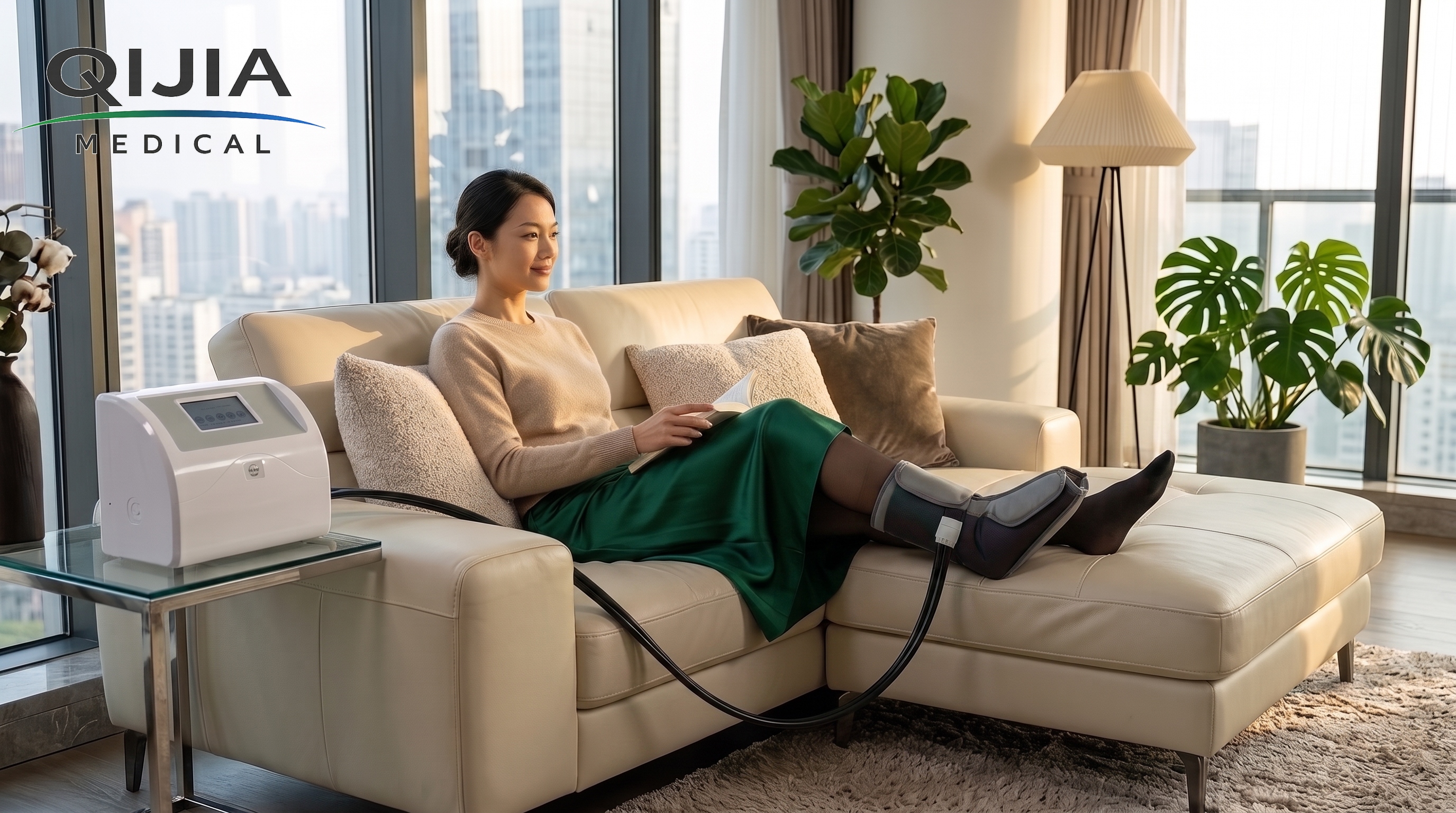
Intermittent pneumatic compression (IPC) devices use inflatable cuffs that repeatedly compress and release the legs. This action helps promote venous blood flow and supports circulation when normal muscle movement is limited. citeturn0search0turn0search2
What Is a DVT Prevention Device?
A DVT prevention device is a medical equipment solution designed to support circulation and reduce the risk associated with prolonged immobility.
The most common technology is called intermittent pneumatic compression therapy. The device applies controlled air pressure through leg sleeves, creating a rhythmic compression effect similar to the natural pumping action of leg muscles.
This technology is commonly used in hospitals, surgical departments, rehabilitation centers, and nursing institutions where patients may have limited movement.
QIJIA Medical DVT Prevention Device: Supporting Better Venous Circulation
For hospitals, rehabilitation centers, nursing facilities, and healthcare organizations, having reliable thrombosis prevention equipment is essential for patients who face increased risks due to limited mobility.
QIJIA Medical provides professional DVT Prevention Device solutions designed to support venous circulation through intermittent pneumatic compression technology.
The system uses controlled air pressure cycles to inflate and release compression sleeves, creating a sequential compression effect on the limbs. This helps imitate the natural pumping action of muscles and supports blood circulation in patients who cannot maintain normal physical activity.
Key Benefits of an Intermittent Pneumatic Compression System
Promotes Venous Blood Flow:The rhythmic compression process helps encourage blood movement in the lower limbs and reduces prolonged blood stagnation caused by immobility.
Supports Post-Surgery Recovery:Patients recovering from orthopedic procedures, major surgery, or extended hospital stays may experience reduced mobility. Mechanical compression therapy can be part of a comprehensive DVT prevention strategy.
Suitable for Rehabilitation and Long-Term Care:Patients with stroke recovery, neurological conditions, elderly mobility limitations, or chronic diseases may benefit from professional circulation support.
Non-Drug Mechanical Prevention Method:Unlike medication-based approaches, compression therapy provides physical circulation support through external pressure.
Who May Need DVT Prevention Equipment?
DVT prevention devices are commonly considered for patients and individuals with higher risks of venous thrombosis, including:
Patients after surgery with limited movement
Elderly individuals with reduced mobility
Patients staying in hospitals or rehabilitation centers for extended periods
People recovering from stroke or neurological disorders
Individuals with prolonged bed rest
Patients with poor lower limb circulation
Healthcare professionals should always evaluate each patient's condition before selecting appropriate prevention methods.
DVT Prevention in Daily Life: Small Changes Make a Difference
Although medical devices play an important role for high-risk patients, everyday habits also influence vascular health.
Move Regularly During Long Sitting Periods
If your work requires sitting for many hours, try to stand up, stretch your legs, or walk periodically. Simple ankle movements can help activate the calf muscles and support circulation.
Avoid Staying in One Position for Too Long
Whether sitting in an office, driving, traveling, or standing at work, changing positions regularly helps reduce pressure on the lower limb veins.
Pay Attention to Warning Signs
Symptoms such as unexplained leg swelling, pain, warmth, redness, or sudden breathing difficulties should receive medical attention promptly.
Professional DVT Prevention Solutions for Global Healthcare Partners
As a medical equipment manufacturer, QIJIA Medical focuses on providing reliable rehabilitation and circulation management solutions for healthcare institutions worldwide.
With professional manufacturing capabilities and experience in medical device development, QIJIA supports distributors, hospitals, and healthcare partners with customized solutions.
For organizations looking for medical equipment cooperation, OEM production, or private label solutions, please visit our ODM/OEM medical equipment solutionspage.
Choose a Reliable DVT Prevention Device Supplier
Selecting the right medical equipment supplier is important for healthcare providers who need stable quality, professional support, and long-term cooperation.
QIJIA Medical integrates research, development, production, and quality management to provide dependable medical solutions for hospitals, clinics, rehabilitation centers, and healthcare distributors.
If you are searching for a professional DVT prevention equipment manufacturer or want to discuss product cooperation opportunities, please contact QIJIA Medicalfor more information.
Frequently Asked Questions About DVT Prevention Devices
1. What causes deep vein thrombosis (DVT)?
DVT occurs when a blood clot forms inside a deep vein, usually in the legs. Common risk factors include prolonged immobility, surgery, aging, obesity, reduced physical activity, and conditions that affect normal blood circulation.
2. Can sitting too long increase the risk of DVT?
Yes. Long periods of sitting can reduce leg muscle activity and slow venous blood return. Office workers, drivers, and frequent travelers should take regular breaks and maintain movement whenever possible.
3. Are people with varicose veins more likely to develop blood circulation problems?
Varicose veins are related to abnormal venous circulation. While having varicose veins does not mean someone will definitely develop DVT, people with venous problems should pay attention to circulation management and discuss risks with healthcare professionals.
4. How does a DVT prevention device work?
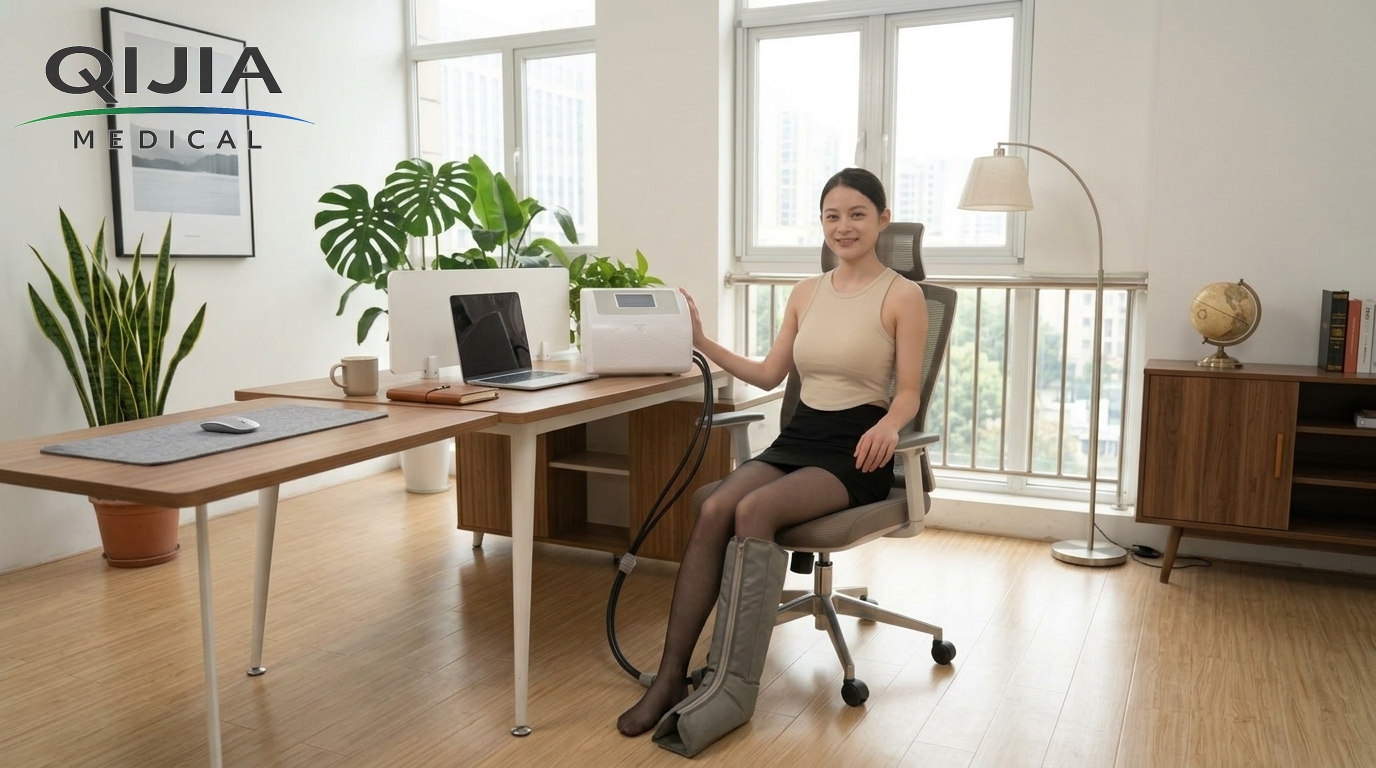
A DVT prevention device uses intermittent pneumatic compression technology. Air-filled sleeves repeatedly inflate and release around the limbs, creating controlled pressure that supports venous blood circulation.
5. Who commonly uses intermittent pneumatic compression devices?
IPC devices are commonly used in hospitals, surgical departments, rehabilitation centers, and nursing facilities for patients with limited mobility or increased DVT risk.
6. Is a DVT prevention device suitable for home use?
Some compression devices may be used outside hospitals under professional guidance. Patients should consult healthcare providers to determine whether this type of therapy is appropriate for their condition.
7. Why choose QIJIA Medical as a DVT prevention device manufacturer?
QIJIA Medical provides medical equipment manufacturing capabilities, quality control systems, and OEM/ODM cooperation options for global healthcare partners seeking reliable DVT prevention solutions.
Keywords: DVT Prevention Device, Deep Vein Thrombosis Prevention, Intermittent Pneumatic Compression Device, Blood Circulation Therapy Equipment, Medical Compression System