







Understanding Brain Health Challenges and How Transcranial Magnetic Stimulation Technology Supports Modern Neuromodulation
In today's fast-paced world, more people are experiencing challenges related to brain health, including chronic stress, sleep difficulties, emotional imbalance, recurring headaches, and neurological disorders. While these conditions may appear different, many of them are associated with complex changes in brain activity and neural networks.
The brain controls emotions, sleep, movement, memory, and many essential functions of daily life. When the balance of neural activity is disrupted, individuals may experience difficulties that affect their quality of life.
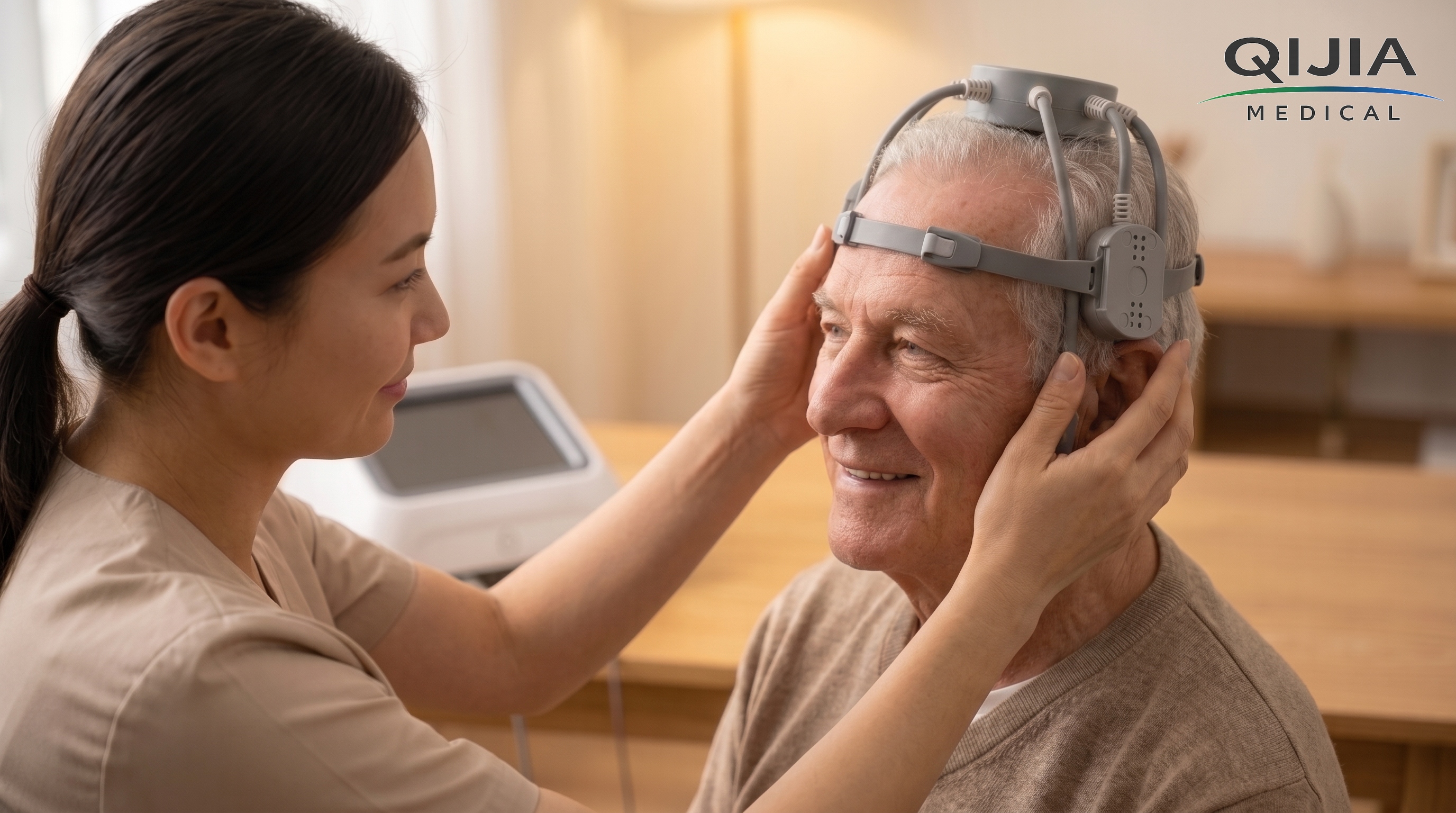
With the development of neuroscience, Transcranial Magnetic Stimulation (TMS)has become an advanced non-invasive neuromodulation technology that uses magnetic pulses to influence specific brain regions and support the regulation of neural activity.
Why Brain Health Problems Are Becoming More Common
Modern lifestyles bring many factors that may affect brain function, including long-term stress, irregular sleep schedules, excessive workload, emotional pressure, and reduced physical activity.
When the brain remains under continuous pressure, some people may experience:
Difficulty falling asleep or maintaining quality sleep
Persistent stress and emotional tension
Low mood and reduced motivation
Difficulty concentrating
Recurring headaches or migraine symptoms
Reduced neurological function after certain conditions
These challenges highlight the importance of maintaining healthy brain activity and exploring advanced technologies that support neurological care.
What Is Transcranial Magnetic Stimulation (TMS)?
Transcranial Magnetic Stimulation is a non-invasive brain stimulation method that delivers controlled magnetic pulses through a stimulation coil placed on the scalp.
Unlike surgical brain stimulation methods, TMS does not require implantation. The technology is designed to influence targeted areas of the brain and regulate cortical excitability through carefully controlled stimulation parameters.
TMS and repetitive TMS (rTMS) have been widely researched in neuroscience and mental health fields, especially for depression-related applications. Research continues to explore its potential applications in various neurological and psychological conditions.
TMS Applications in Different Brain Health Conditions
1. Depression and Emotional Health Support
Depression is one of the most widely studied applications of TMS technology.
Many people with depression experience symptoms such as:
Persistent sadness
Lack of interest in daily activities
Low energy
Sleep changes
Difficulty concentrating
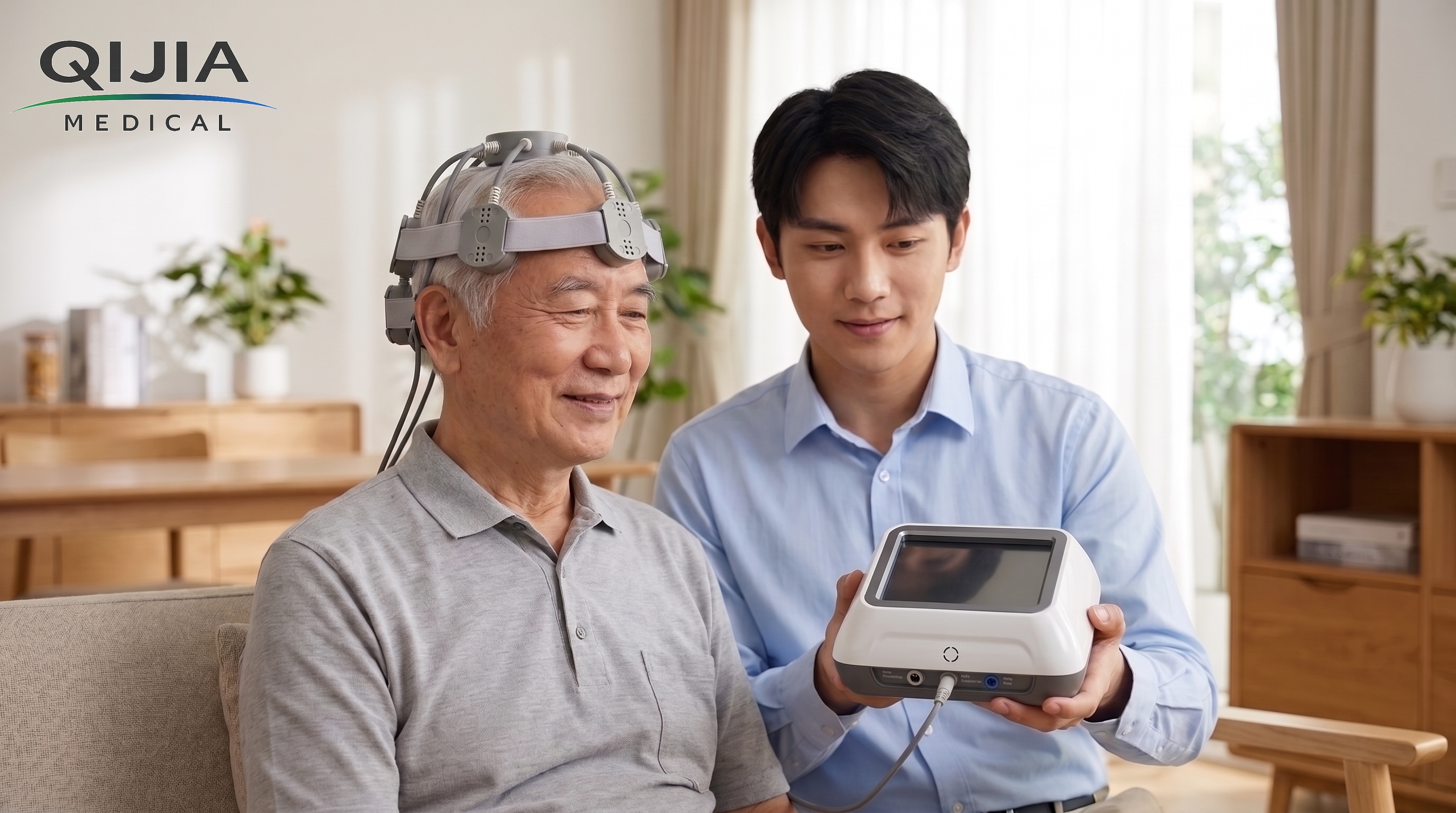
TMS technology has been researched as a non-invasive approach to support brain activity regulation, especially involving areas related to mood control and emotional processing.
2. Anxiety and Long-Term Stress Management
Continuous stress and anxiety can affect sleep, concentration, emotional stability, and daily performance.
Common signs may include:
Constant worrying
Feeling mentally exhausted
Difficulty relaxing
Emotional sensitivity
Researchers are exploring how neuromodulation technologies such as TMS may support the regulation of brain networks associated with emotional control and stress response.
3. Sleep Disorders and Insomnia
Sleep plays an essential role in brain recovery, memory processing, and emotional balance.
Long-term sleep problems may be associated with:
Reduced daytime energy
Poor concentration
Mood changes
Lower overall wellbeing
Studies have explored the relationship between rTMS technology and sleep-related conditions, investigating how brain stimulation may influence neural activity associated with sleep regulation.
4. Migraine and Headache Management Research
Recurring migraine can significantly affect daily activities, work efficiency, and personal life.
TMS technology has also been explored in headache and migraine-related applications, with different stimulation methods being studied for supporting migraine management.
5. Neurological Rehabilitation Support After Stroke
Stroke can lead to changes in brain function, affecting movement, speech, and daily activities.
During rehabilitation, restoring communication between different brain regions is an important area of research.
TMS technology is being explored as part of neurological rehabilitation approaches, combined with physical therapy and other rehabilitation methods, to support recovery training.
6. Other Emerging Research Areas
Beyond the applications mentioned above, TMS technology continues to be investigated in areas including:
Obsessive-compulsive disorder (OCD)
Parkinson's disease support
Chronic pain management research
Post-traumatic stress disorder (PTSD)
Cognitive function research
Smoking cessation support
Why Choose Advanced TMS Technology?
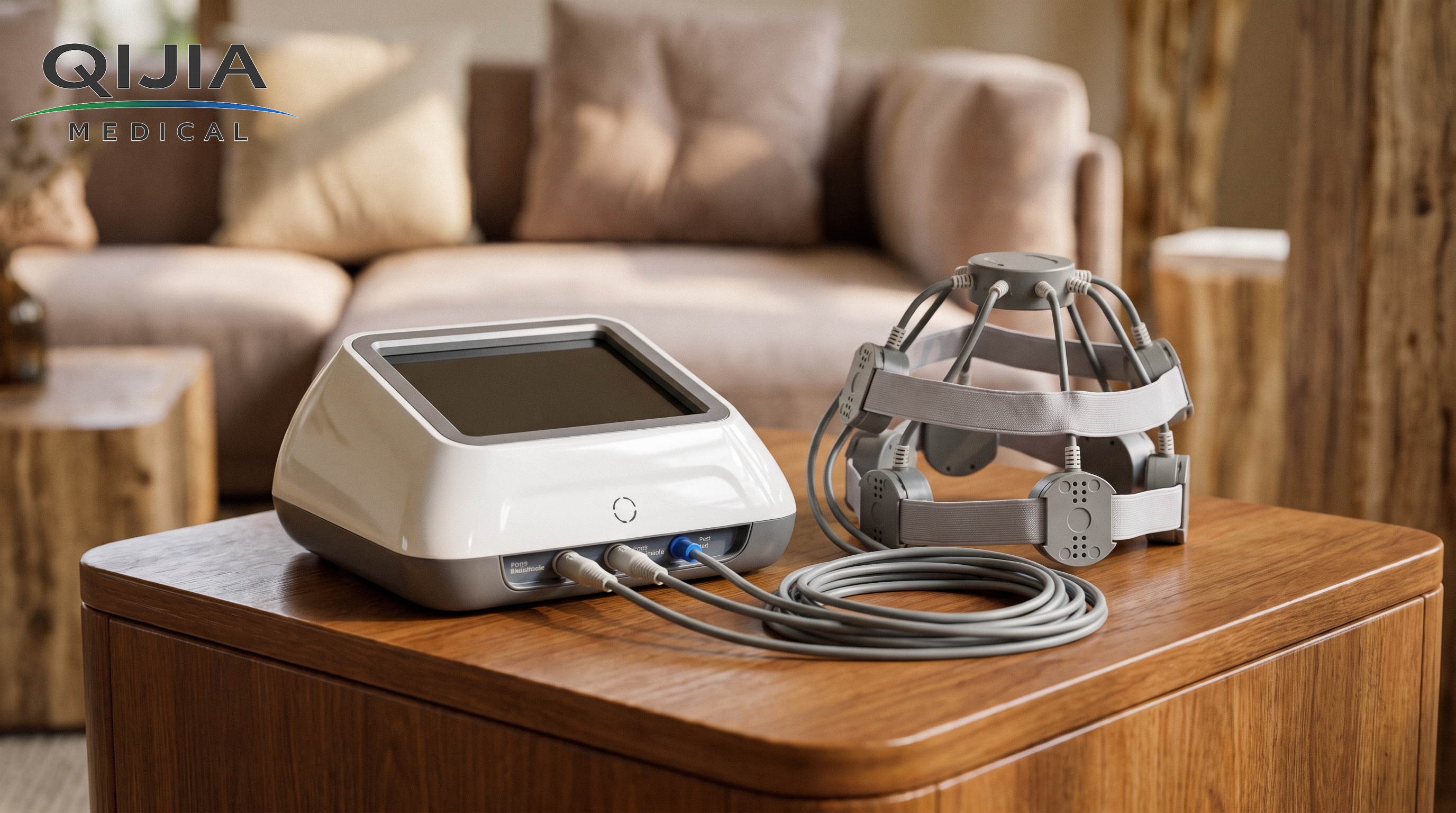
Modern TMS systems focus on precision, safety, and intelligent control. A professional TMS device usually integrates adjustable stimulation parameters, user-friendly operation interfaces, and advanced engineering design.
QIJIA MEDICAL provides advanced TMS equipment solutionsdesigned for professional applications and expanding neurological health needs.
QIJIA MEDICAL – Your Partner for Medical Technology Solutions
As a medical equipment manufacturer, QIJIA MEDICAL focuses on research, development, production, and customized solutions for global healthcare partners.
With OEM and ODM capabilities, we support distributors, healthcare organizations, and partners worldwide with reliable medical technology solutions.
Learn more about our company:QIJIA MEDICAL OEM/ODM Manufacturing Solutions
For product cooperation and business inquiries:Contact QIJIA MEDICAL
Frequently Asked Questions (FAQ)
1. What is TMS technology?
TMS (Transcranial Magnetic Stimulation) is a non-invasive neuromodulation technology that uses magnetic pulses to influence targeted areas of the brain and regulate neural activity.
2. What conditions are commonly associated with TMS research?
TMS has been widely researched in areas including depression, migraine, OCD, sleep disorders, anxiety-related conditions, neurological rehabilitation, and other brain health applications.
3. Is TMS a surgical treatment?
No. TMS is a non-invasive technology that does not require surgery or implanted devices.
4. Can TMS replace medication?
TMS applications depend on individual conditions and professional evaluation. It is generally considered as one approach that may be used alongside other healthcare strategies.
5. Who can benefit from TMS equipment solutions?
TMS technology may be suitable for healthcare providers, rehabilitation facilities, research institutions, and organizations exploring advanced neuromodulation solutions.
QIJIA MEDICAL continues to develop innovative medical technologies to support global partners in neurological and rehabilitation care.