







How Transcranial Magnetic Stimulation (TMS) Supports Brain Function Recovery in Neurological Disorders
The human brain controls movement, sleep, emotions, memory, and daily activities through complex neural networks. When these networks are affected by neurological conditions such as stroke, Parkinson’s disease, migraine, sleep disorders, or motor dysfunction, patients may experience difficulties that significantly impact their quality of life.
With the development of modern neuroscience, Transcranial Magnetic Stimulation (TMS) has become an important non-invasive brain stimulation technology. By delivering controlled magnetic pulses to targeted brain areas, TMS can help regulate cortical excitability and support the brain’s natural ability to reorganize through neuroplasticity.
As a non-invasive neuromodulation technology, TMS has been explored in multiple neurological applications, including migraine management, stroke rehabilitation support, movement disorders, and sleep-related conditions. Current research continues to investigate how different stimulation protocols can be optimized for individual needs.
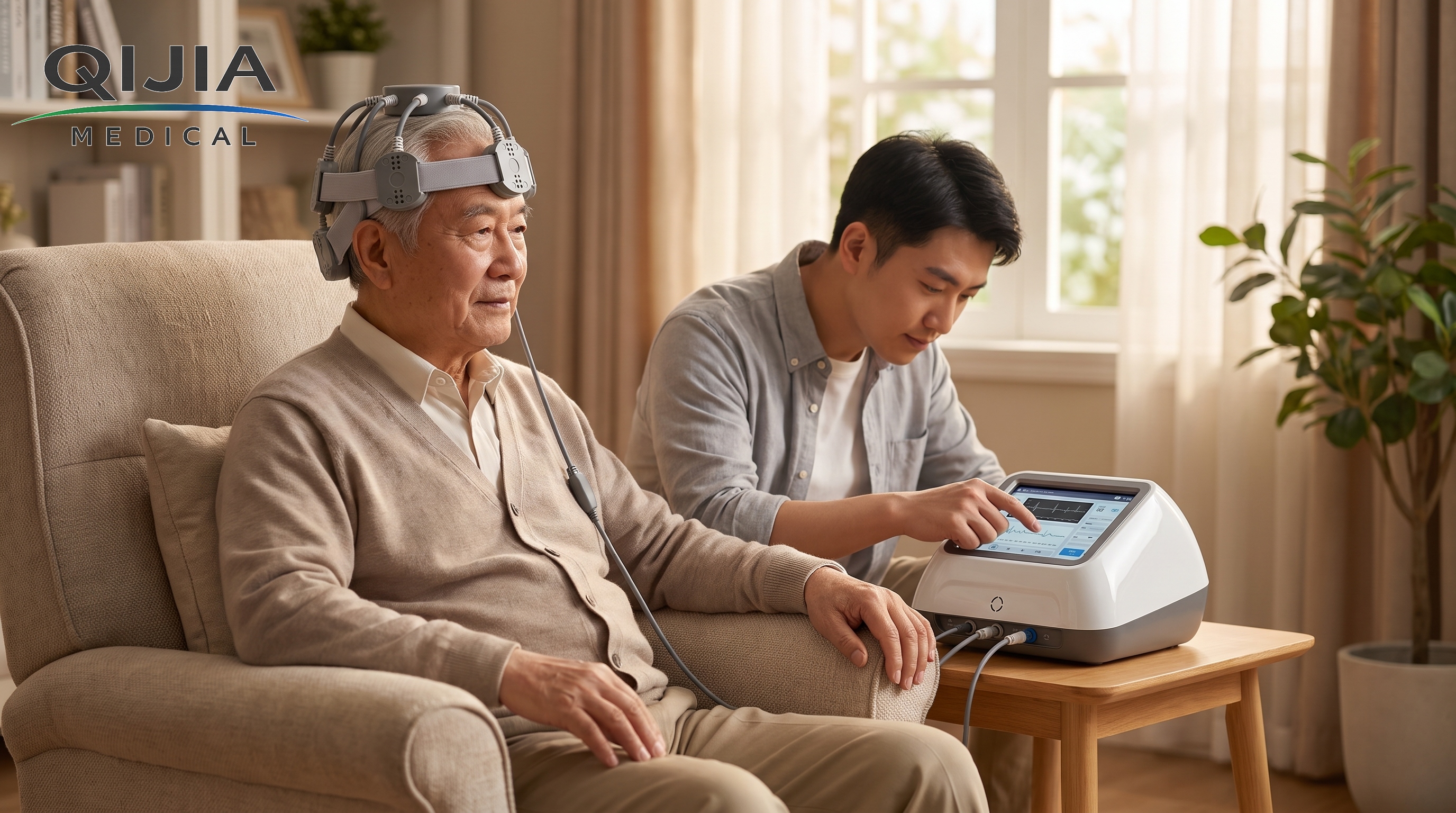
The Hidden Risks of Neurological Disorders and Functional Decline
Neurological disorders often develop gradually, and many patients may underestimate early symptoms. However, problems such as repeated headaches, reduced limb coordination, sleep disturbance, or declining movement ability can affect independence and daily living.
For example, after a stroke, damage to specific brain regions may lead to motor weakness, speech difficulties, or upper limb dysfunction. Patients with Parkinson’s disease may experience progressive movement problems, including stiffness, tremor, and reduced coordination. Sleep disorders can also influence emotional stability, concentration, and overall neurological health.
Because these conditions involve changes in brain activity and neural communication, researchers have explored brain stimulation technologies such as TMS as a supportive approach to help regulate abnormal neural circuits.
How TMS Technology Works: Supporting Brain Neuroplasticity
Unlike traditional treatments that mainly rely on medication, TMS directly targets specific areas of the brain through magnetic stimulation without requiring surgery.
During treatment, electromagnetic pulses generate small electrical currents in targeted cortical regions. Depending on the stimulation frequency and protocol, TMS may increase or decrease cortical activity, helping modulate neural networks involved in movement, pain perception, mood regulation, and cognitive function.
The concept behind TMS is closely related to neuroplasticity — the brain’s ability to adapt, reorganize, and form new connections after injury or functional changes.
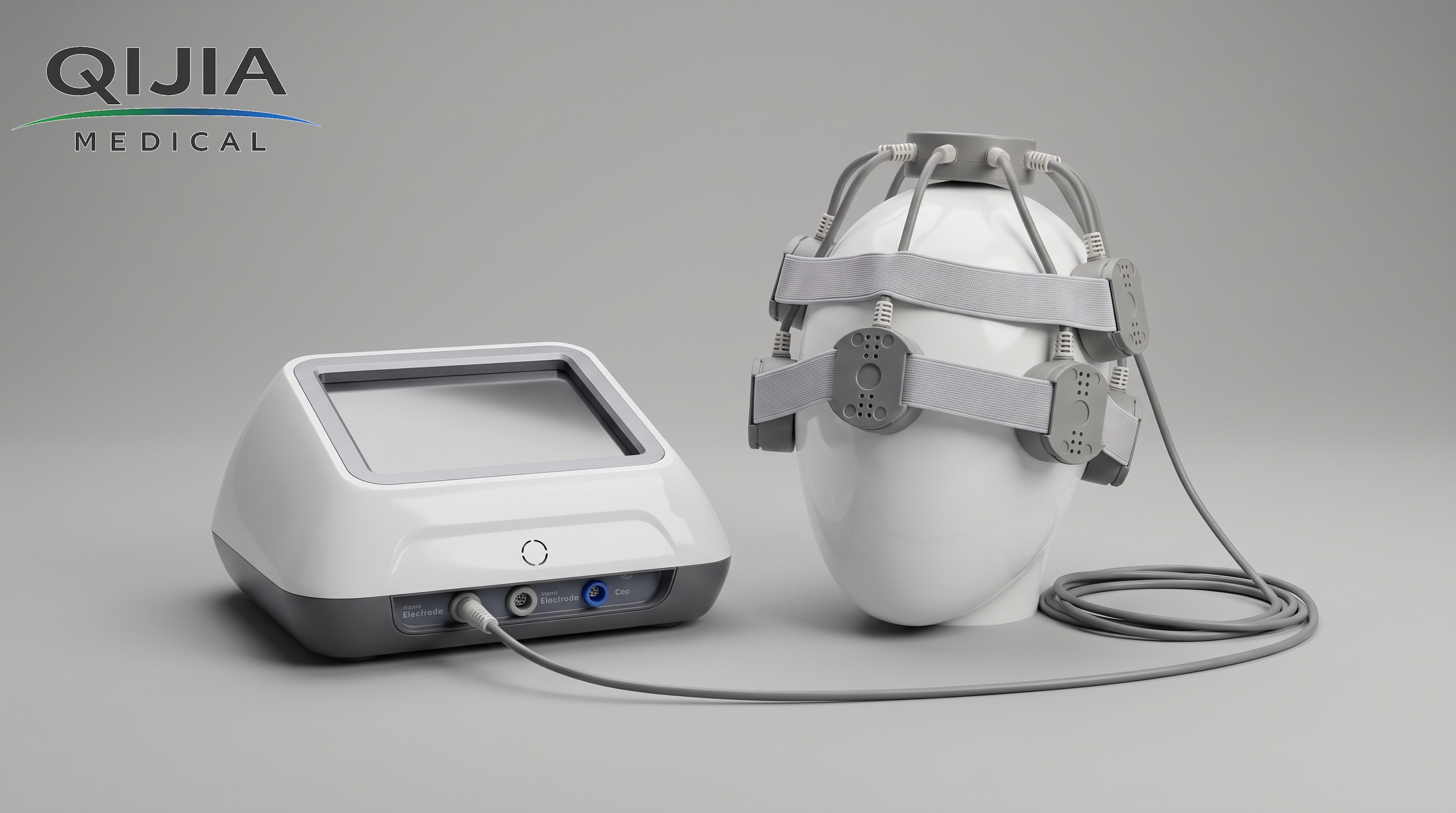
TMS Applications in Stroke Rehabilitation and Upper Limb Motor Dysfunction
Stroke is one of the leading causes of long-term disability worldwide. Many stroke survivors experience challenges such as hemiplegia, reduced hand movement, poor coordination, or difficulty performing daily activities.
After a stroke, the balance between brain hemispheres may become disrupted. Some rehabilitation studies suggest that repetitive Transcranial Magnetic Stimulation (rTMS) may support motor recovery by regulating cortical excitability and promoting functional reorganization of motor networks.
For patients with upper limb motor dysfunction, TMS may be combined with rehabilitation training to support improvements in:
Upper limb movement coordination
Motor cortex activation
Functional training participation
Recovery of daily activity abilities
TMS is not a replacement for conventional rehabilitation, but it may provide additional support by creating a more favorable neurological environment for recovery.
TMS and Parkinson’s Disease: Supporting Movement and Quality of Life
Parkinson’s disease is a progressive neurological disorder associated with abnormal dopamine pathways and changes in movement control. Common symptoms include tremor, muscle stiffness, slow movement, and balance problems.
Recent research has explored rTMS as a supportive technology for Parkinson’s disease, especially in areas related to motor cortex regulation. Some studies suggest that specific stimulation protocols may help improve motor symptoms, gait function, and mobility performance.
Potential supportive benefits of TMS applications in Parkinson’s disease include:
Supporting motor cortex activity regulation
Improving movement training response
Supporting balance and mobility exercises
Helping manage some non-motor symptoms such as sleep difficulties
Because Parkinson’s disease varies greatly between individuals, stimulation parameters should always be selected according to professional assessment.
TMS for Sleep Disorders: Helping Regulate Brain Activity
Sleep problems are increasingly recognized as an important neurological health concern. Insomnia, fragmented sleep, and poor sleep quality can affect concentration, mood, and daily performance.
Research has investigated rTMS as a potential method to influence brain regions involved in sleep regulation and emotional control. By adjusting cortical activity, TMS may support healthier neural patterns related to sleep and relaxation.
For individuals experiencing sleep-related challenges, TMS technology may provide another non-invasive option alongside lifestyle management and professional care.
TMS Support for Migraine Management
Migraine is a neurological condition that can cause recurring headaches, sensitivity to light, nausea, and reduced quality of life.
Unlike ordinary headaches, migraine involves abnormal brain signaling pathways. TMS has been studied as a non-drug stimulation approach for migraine, especially because magnetic stimulation can influence cortical activity related to migraine mechanisms.
Research has explored single-pulse and repetitive TMS approaches for migraine management, providing evidence that TMS may offer supportive benefits for some migraine patients.
Why Choose QIJIA Medical TMS Solutions?
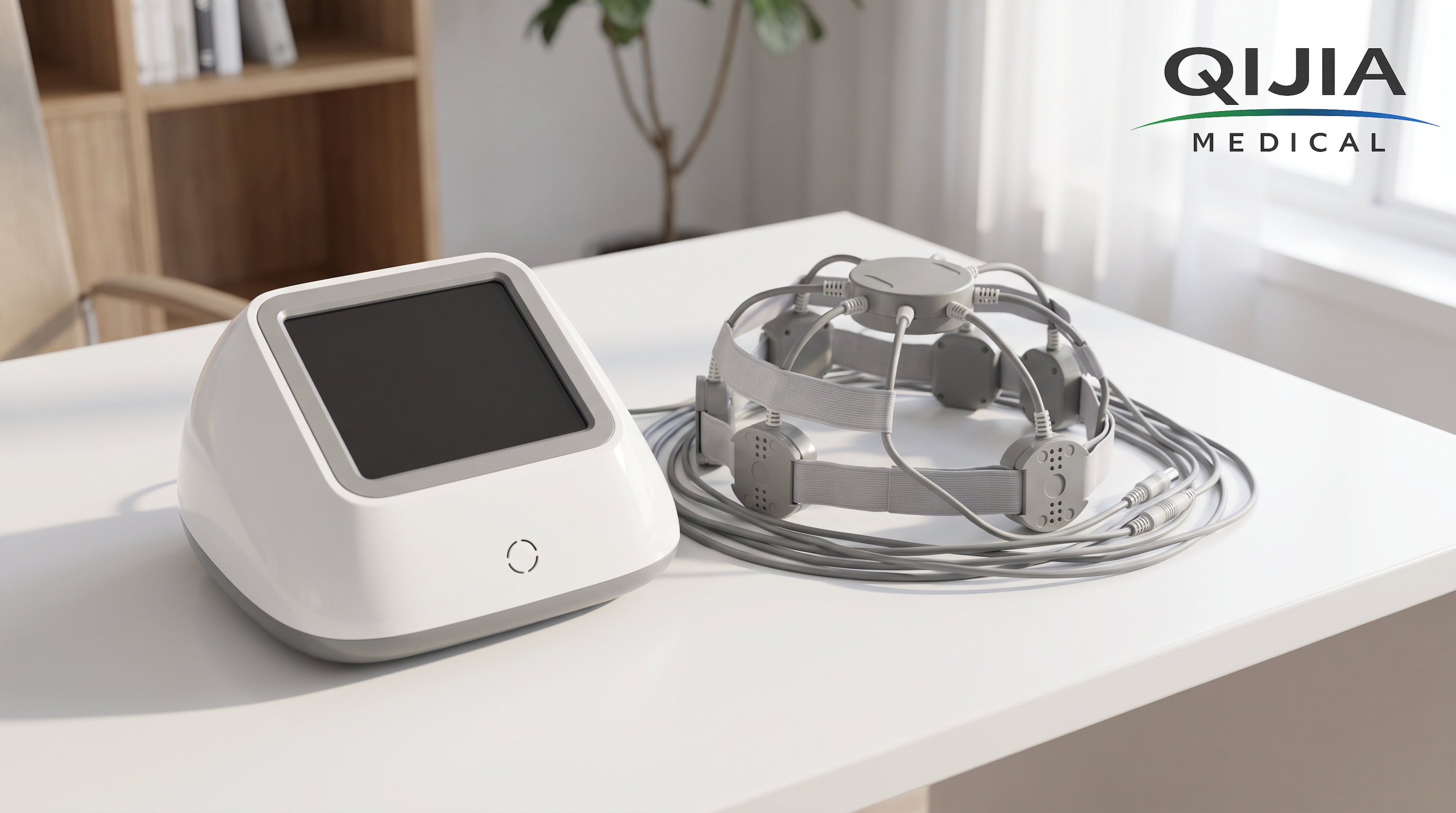
QIJIA Medical develops advanced medical equipment solutions focusing on neurological stimulation and rehabilitation technologies. Our Transcranial Magnetic Stimulation (TMS) System integrates intelligent control design with user-friendly operation, supporting professional applications and expanding healthcare technology accessibility.
With experience in medical device manufacturing, QIJIA Medical provides OEM and ODM cooperation opportunities for global partners. Our company combines product development, manufacturing capability, and quality management systems to support international healthcare markets.
Learn more about QIJIA Medical’s manufacturing capabilities and OEM/ODM services:About QIJIA Medical
For product information, cooperation opportunities, or technical consultation, please contact our team:Contact QIJIA Medical
Conclusion
Neurological disorders can influence movement, sleep, pain perception, and independence. As neuroscience continues to develop, Transcranial Magnetic Stimulation provides a promising non-invasive approach for supporting brain function regulation.
From stroke rehabilitation support and upper limb motor training to migraine management, sleep-related challenges, and Parkinson’s disease assistance, TMS technology continues to expand its role in modern neurological care.
For healthcare providers, distributors, and medical technology partners, advanced TMS solutions represent an opportunity to bring innovative brain stimulation technology to more users worldwide.
Frequently Asked Questions (FAQ)
1. What is Transcranial Magnetic Stimulation (TMS)?
TMS is a non-invasive brain stimulation technology that uses electromagnetic pulses to influence activity in targeted areas of the brain.
2. Can TMS cure stroke or Parkinson’s disease?
TMS is not a cure for neurological diseases. It is generally considered a supportive technology that may assist rehabilitation and symptom management when combined with appropriate medical care.
3. Can TMS help improve movement after stroke?
Research suggests that rTMS may support motor recovery by regulating cortical excitability and promoting brain network adaptation during rehabilitation.
4. Is TMS suitable for people with sleep problems?
Some studies have explored rTMS for sleep-related conditions. The effectiveness depends on individual conditions, stimulation protocols, and professional evaluation.
5. Is TMS a safe technology?
TMS is generally considered a non-invasive technology with a good safety profile when operated according to professional guidelines. Individual suitability should be evaluated before use.
6. Does QIJIA Medical provide OEM/ODM TMS solutions?
Yes. QIJIA Medical provides OEM/ODM cooperation opportunities for global partners interested in medical device solutions and customized product development.