







Airway Clearance System: Supporting Respiratory Health in Patients with Chronic Conditions and Mucus Retention
Breathing is an essential function that most people take for granted. However, for many patients living with chronic respiratory diseases, neurological disorders, or reduced muscle strength, maintaining clear airways can become a daily challenge.
When the body cannot effectively remove mucus and airway secretions, mucus accumulation may gradually affect breathing efficiency, increase the risk of respiratory infections, and place additional stress on already weakened respiratory systems.
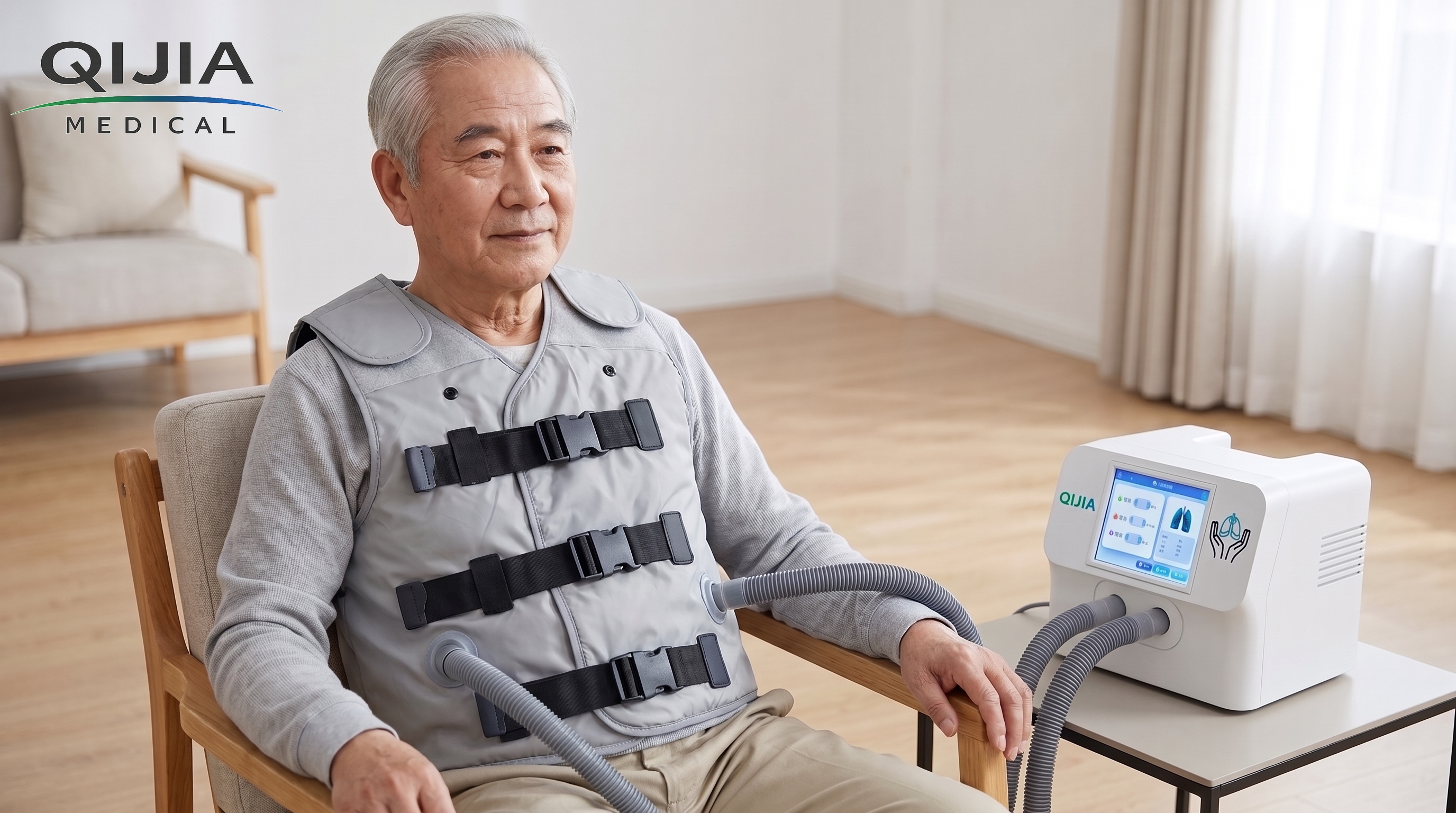
An Airway Clearance System is designed to support patients who experience difficulty clearing airway secretions. Through High Frequency Chest Wall Oscillation (HFCWO) technology, the system applies gentle and repeated chest wall vibrations to help mobilize mucus, making it easier for patients to remove accumulated secretions through coughing or other airway clearance methods.
For individuals with conditions such as ALS, Cystic Fibrosis, Bronchiectasis, COPD, and neuromuscular disorders, airway clearance management can become an important part of respiratory care.
Why Effective Airway Clearance Matters
The respiratory system naturally produces mucus to protect the airways. In healthy individuals, mucus is continuously moved upward by the airway’s natural clearance mechanisms and removed through coughing.
However, certain diseases can interfere with this process. Patients may experience:
Excessive mucus production
Thick and difficult-to-remove secretions
Weak cough strength
Reduced respiratory muscle function
Difficulty maintaining airway hygiene
When mucus remains trapped inside the lungs, it can create an environment where bacteria may grow more easily and may contribute to repeated respiratory complications.
Airway clearance techniques, including HFCWO therapy, are commonly used in selected patients with chronic secretion retention to support mucus mobilization and improve daily respiratory management.
Diseases and Conditions Associated with Airway Clearance Difficulties
1. Bronchiectasis: Chronic Mucus Retention and Recurrent Respiratory Infections
Bronchiectasis is one of the most recognized conditions associated with airway clearance therapy.
In bronchiectasis, permanent widening and damage of the bronchial tubes can interfere with normal mucus clearance. Thick secretions may accumulate inside the airways, creating a cycle of mucus retention, inflammation, and repeated infections.
Patients with bronchiectasis commonly experience:
Chronic productive cough
Daily sputum production
Repeated lung infections
Difficulty clearing mucus independently
For these patients, airway clearance strategies such as HFCWO may help loosen retained secretions and support mucus removal as part of comprehensive respiratory care.
2. Cystic Fibrosis (CF): Managing Thick Airway Secretions
Cystic Fibrosis is a genetic condition that affects mucus production throughout the body, including the lungs.
Because airway mucus can become unusually thick and sticky, patients with Cystic Fibrosis often require lifelong airway clearance management to help maintain respiratory function.
Common respiratory challenges include:
Thick mucus buildup
Frequent airway inflammation
Recurring respiratory infections
Reduced ability to naturally clear secretions
Airway clearance therapies are widely recognized as an important component of respiratory care for people with Cystic Fibrosis.
3. ALS (Amyotrophic Lateral Sclerosis): When Respiratory Muscles Become Weak
ALS is a progressive neurological disease that affects nerve cells responsible for muscle movement.
As respiratory muscles become weaker, some patients may experience:
Reduced cough effectiveness
Difficulty removing airway secretions
Higher risk of mucus accumulation
Increased respiratory care needs
For individuals with ALS, maintaining effective airway clearance is an important consideration because weak coughing ability can make it harder to remove mucus naturally.
4. COPD and Chronic Bronchitis: Supporting Patients with Excessive Sputum
Chronic Obstructive Pulmonary Disease (COPD), especially chronic bronchitis, is often associated with long-term airway inflammation and excessive mucus production.
Some COPD patients experience:
Persistent cough
Increased sputum production
Shortness of breath
Difficulty clearing airway secretions
For selected patients with significant mucus retention, airway clearance therapy may be considered as part of respiratory management.
5. Neuromuscular Disorders: Reduced Cough Strength and Respiratory Challenges
Many neuromuscular diseases can affect the muscles involved in breathing and coughing.
Examples include:
Muscular Dystrophy
Spinal Muscular Atrophy (SMA)
Multiple Sclerosis (MS)
Spinal Cord Injury
Cerebral Palsy
Patients with these conditions may have difficulty generating enough cough force to remove mucus effectively.
Airway clearance support may help address secretion management challenges caused by reduced muscle strength.
6. Stroke Recovery and Long-Term Bedridden Patients
After severe stroke or during long-term immobility, some patients may experience reduced respiratory movement, swallowing difficulties, or weaker cough ability.
These factors may increase the possibility of mucus retention, especially in elderly or dependent patients.
Respiratory care strategies focusing on secretion management can help healthcare providers support patients with limited mobility.
How QIJIA Airway Clearance System Supports Respiratory Care
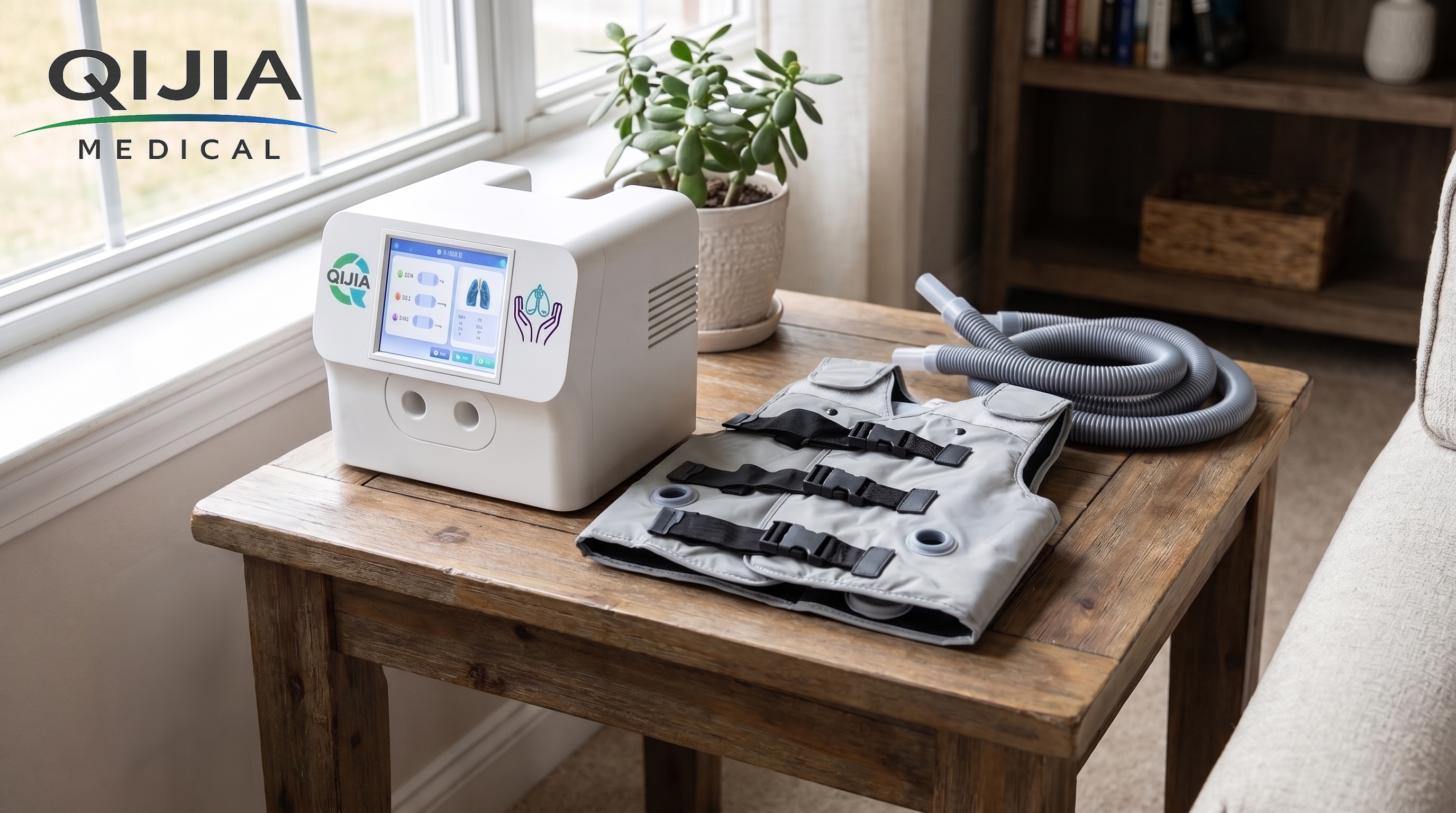
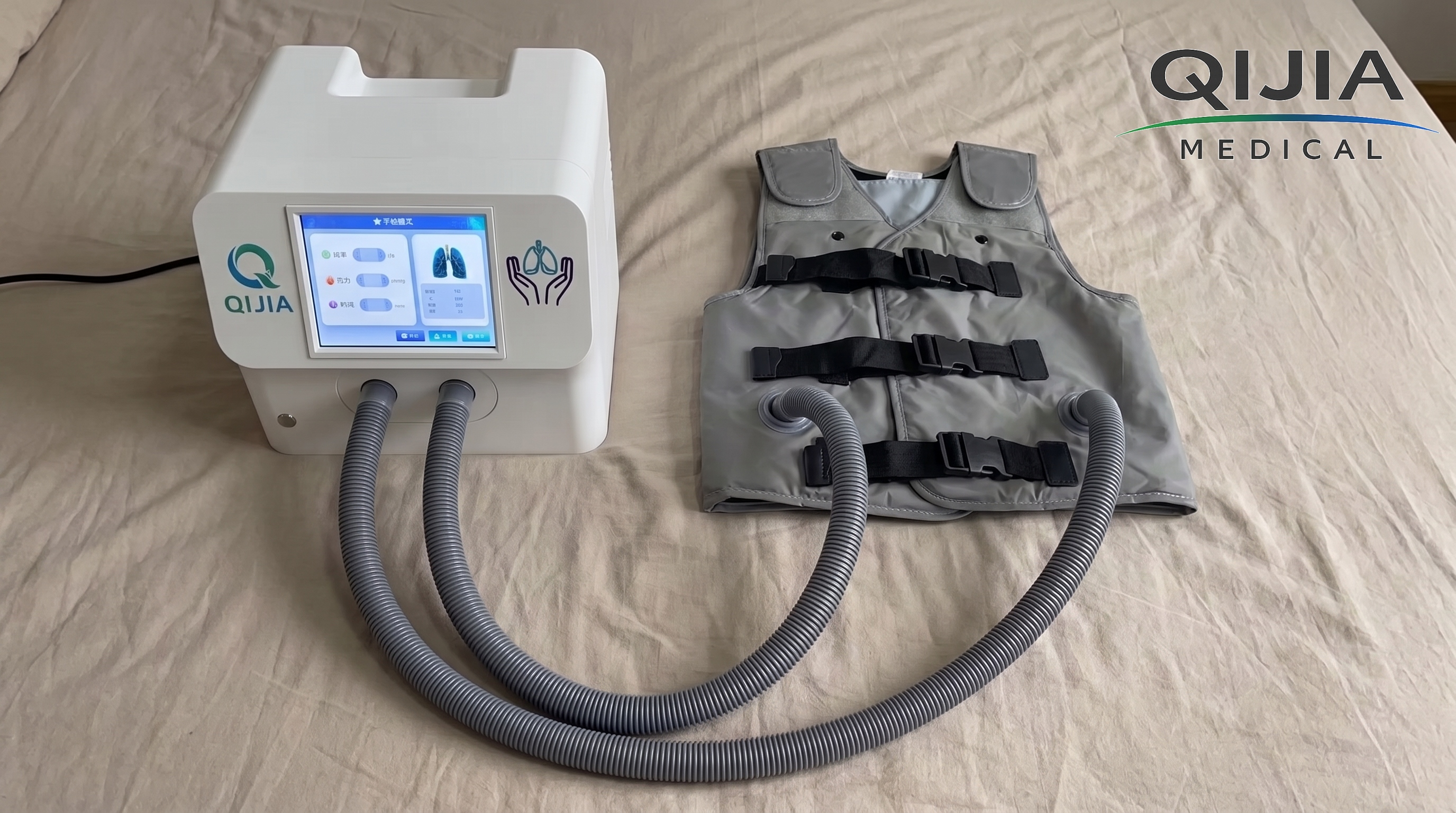
QIJIA Medical's Airway Clearance Systemuses High Frequency Chest Wall Oscillation technology to provide external chest wall vibration.
The system works by:
Providing repeated oscillation through an inflatable vest
Helping loosen mucus attached to airway walls
Supporting movement of secretions toward larger airways
Assisting patients in daily airway hygiene management
Compared with traditional manual chest physiotherapy, mechanical airway clearance technology can provide a more standardized approach and may reduce dependence on intensive manual assistance for suitable patients.
Applications in Hospitals, Clinics, and Home Respiratory Care
Airway Clearance Systems are commonly considered for various healthcare environments, including:
Hospitals and respiratory departments
Rehabilitation centers
Long-term care facilities
Home respiratory care settings
With increasing demand for respiratory care solutions worldwide, reliable airway clearance equipment plays an important role in supporting patients with chronic respiratory challenges.
Why Choose QIJIA Medical as Your Airway Clearance System Partner?
QIJIA Medical specializes in the research, development, and manufacturing of medical equipment solutions.
With experience in respiratory care and rehabilitation technology, QIJIA provides professional medical device solutions for global distributors, healthcare organizations, and OEM/ODM partners.
Learn more about our company capabilities and OEM/ODM cooperation:
QIJIA Medical – Medical Device Manufacturer and OEM/ODM Partner
Conclusion
For patients living with chronic respiratory diseases, neurological disorders, or reduced cough ability, maintaining clear airways can be a continuous challenge.
Conditions such as Bronchiectasis, Cystic Fibrosis, ALS, COPD, and neuromuscular disorders may increase the risk of mucus retention and respiratory complications.
An Airway Clearance System provides a non-invasive approach to supporting mucus mobilization and respiratory care management. By improving airway hygiene routines, healthcare providers and caregivers can better support patients who require long-term secretion management.
For product information, technical details, or cooperation opportunities, please contact QIJIA Medical:
Frequently Asked Questions (FAQ)
1. What is an Airway Clearance System?
An Airway Clearance System is a medical device designed to help patients mobilize and remove airway secretions. Many systems use technologies such as High Frequency Chest Wall Oscillation (HFCWO) to support mucus clearance.
2. Which diseases may benefit from airway clearance therapy?
Airway clearance therapy may be considered for patients with conditions associated with mucus retention or weak cough ability, including Bronchiectasis, Cystic Fibrosis, ALS, COPD, muscular dystrophy, spinal cord injury, and other respiratory-related conditions.
3. Does an Airway Clearance System cure respiratory diseases?
No. Airway Clearance Systems are designed to support mucus clearance and respiratory management. They do not cure underlying diseases and should be used according to professional medical guidance.
4. Can ALS patients use airway clearance devices?
Some ALS patients experience reduced cough strength and difficulty clearing secretions. Airway clearance support may be considered as part of respiratory care depending on individual patient conditions.
5. Is QIJIA Airway Clearance System available for OEM/ODM cooperation?
Yes. QIJIA Medical provides medical device manufacturing solutions and supports OEM/ODM cooperation for qualified global partners.