







TMS for Pain Management and Mental Health: Exploring a Broader Role for Non-Invasive Brain Stimulation
Persistent pain and mental health challenges are two of the most difficult issues in modern healthcare. While they are often discussed separately, the relationship between the brain, pain perception, mood, sleep, and daily function is much more closely connected than many people realize.
Chronic pain can affect sleep, concentration, mobility, social interaction, and emotional well-being. At the same time, prolonged stress, anxiety, and depression may influence how a person experiences and responds to pain. This complex relationship has encouraged researchers and healthcare professionals to explore approaches that work with the brain rather than focusing only on symptoms in one part of the body.
Transcranial Magnetic Stimulation (TMS) is one technology attracting increasing attention in this area. By delivering controlled magnetic pulses to targeted areas of the brain, TMS is designed to influence neural activity without requiring surgery or direct electrical contact with the brain.
Today, TMS is being studied and used across several areas of neurological and mental healthcare. Its potential role in pain management and mental health makes it an important technology for continued clinical research and medical innovation.
Why Chronic Pain Should Not Be Ignored
Pain is an important biological warning signal. Acute pain can alert the body to injury and encourage protective behavior. Chronic pain, however, can become a persistent condition that affects much more than the original source of discomfort.
Long-lasting pain may interfere with:
Sleep quality and daily energy
Physical activity and mobility
Concentration and productivity
Social interaction and quality of life
Emotional stability and psychological well-being
Conditions such as neuropathic pain, persistent headaches, migraine, and other chronic pain disorders can be particularly difficult to manage because the nervous system itself may become involved in how pain signals are processed.
This is one reason why modern pain research increasingly considers the brain and central nervous system as important components of pain management.
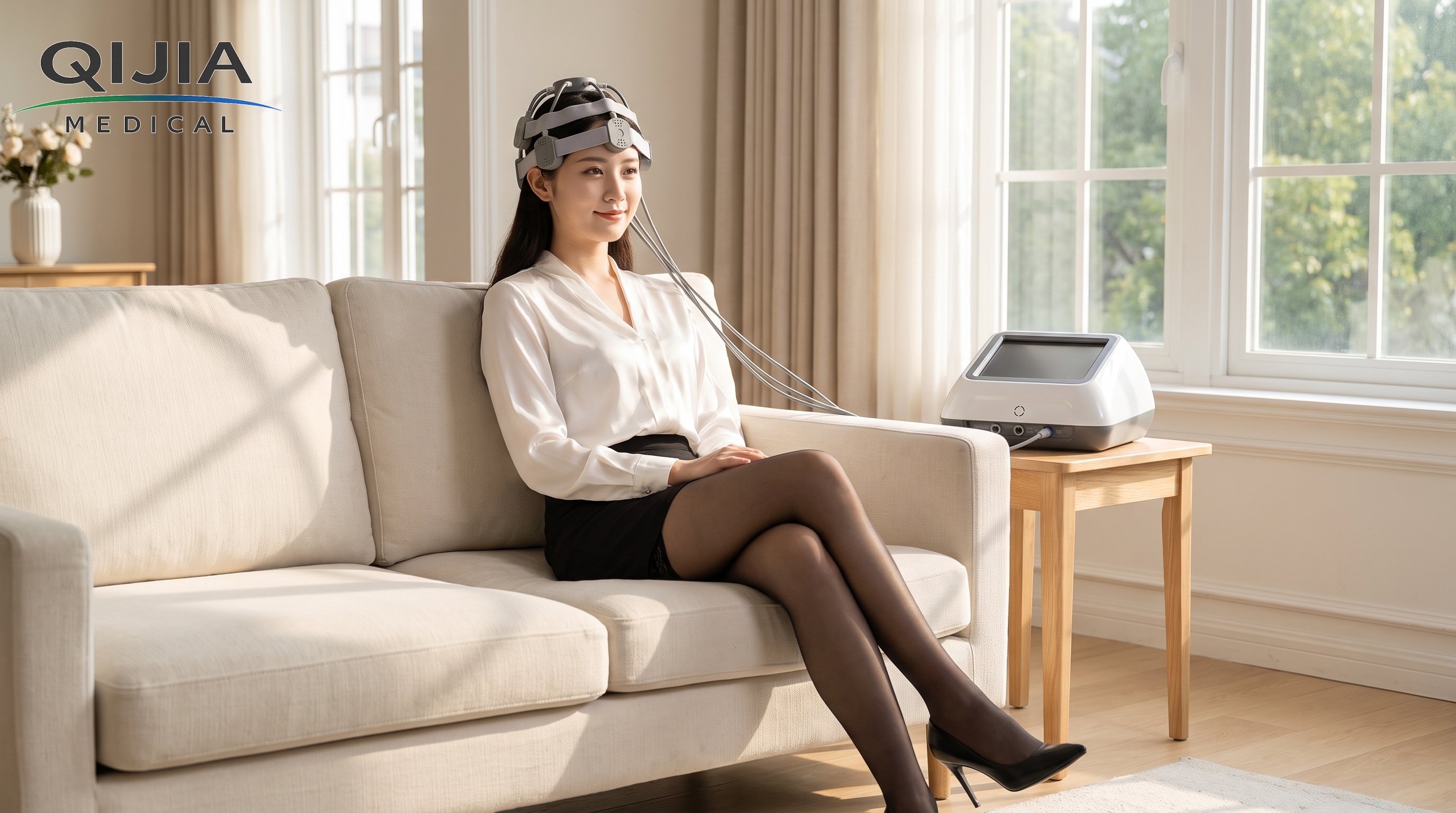
How TMS May Support Pain Management
TMS uses electromagnetic stimulation to influence activity in specific cortical regions. Depending on the clinical objective and stimulation protocol, different brain areas may be targeted.
Research has investigated TMS in several pain-related areas, including neuropathic pain, headache disorders, migraine, postoperative pain, and other chronic pain conditions. An international expert consensus review reported stronger evidence for some neuropathic pain applications and moderate evidence for areas such as migraine prevention, while also emphasizing the need for further research for several indications.
The potential value of TMS is not simply about “turning pain off.” Instead, researchers are interested in whether controlled brain stimulation can influence neural networks involved in pain processing and modulation.
For healthcare professionals, this creates an additional area to explore alongside established pain-management strategies.
TMS and Migraine
Migraine is more than an ordinary headache. It can involve severe head pain together with symptoms such as nausea and sensitivity to light or sound, potentially disrupting work, sleep, and everyday activities.
Several systematic reviews have investigated TMS for migraine. Current evidence suggests that TMS may help reduce migraine frequency or severity in some settings, but the quality and consistency of available evidence vary between studies. More standardized research is still needed.
This makes migraine an important example of why TMS should be considered a medical technology rather than a universal solution for every headache condition.
TMS and Neuropathic Pain
Neuropathic pain is associated with dysfunction or injury involving the nervous system. Burning, shooting, electric-like, or persistent pain can make everyday activities difficult and may continue even after the original injury has healed.
TMS has been investigated as a non-invasive neuromodulation approach for neuropathic pain. The underlying concept is to influence cortical activity and neural networks associated with pain processing.
For suitable patients, TMS may therefore represent an area of interest within a broader, multidisciplinary pain-management strategy.
The Hidden Connection Between Pain and Mental Health
One of the most important aspects of chronic pain is that its impact may extend beyond physical symptoms.
When pain continues for weeks, months, or longer, patients may experience reduced activity, disrupted sleep, social isolation, frustration, anxiety, or depressive symptoms. At the same time, mental health challenges can make coping with persistent pain more difficult.
This does not mean that chronic pain is “only psychological.” Pain is a real and complex neurological experience involving interactions between sensory, emotional, and cognitive systems.
Recent research has also examined TMS in people experiencing both chronic pain and depressive symptoms, highlighting the potential relationship between these two areas while also noting that treatment protocols and outcomes remain heterogeneous.
TMS in Mental and Behavioral Health
TMS has a well-established research and clinical history in mental health, particularly in the field of depression. Modern clinical guidance continues to evaluate TMS as an important non-invasive brain stimulation technology for depression.
Depending on the specific device, indication, treatment protocol, and applicable regulations, TMS may also be investigated or used in areas such as anxiety-related symptoms, obsessive-compulsive disorder, and other mental health conditions.
The key concept is neuromodulation: rather than introducing medication into the bloodstream, TMS uses magnetic stimulation to influence neural activity in targeted regions of the brain.
Depression and the Need for Additional Options
Depression can affect mood, motivation, sleep, concentration, relationships, and the ability to perform everyday activities. For some individuals, conventional treatment approaches may not provide sufficient improvement or may be difficult to tolerate.
This has driven continued interest in non-invasive brain stimulation technologies.
Current expert consensus literature supports the safety and clinical role of TMS in depression while emphasizing appropriate patient selection, treatment protocols, provider training, and ongoing monitoring.
For healthcare providers and medical-device distributors, this makes TMS an important technology to understand as the field of neuromodulation continues to develop.
Anxiety, Stress, and Emotional Well-Being
Anxiety can affect concentration, sleep, physical comfort, work performance, and social life. When anxiety symptoms occur alongside depression or chronic pain, the overall burden can become even more complicated.
Research and clinical applications are exploring how targeted brain stimulation may influence neural circuits associated with mood and emotional regulation. However, TMS should not be presented as a universal treatment for anxiety or as a replacement for professional mental-health assessment.
For patients experiencing persistent or severe psychological symptoms, appropriate evaluation by qualified healthcare professionals remains essential.
Why Non-Invasive Brain Stimulation Matters
Traditional healthcare often focuses on treating symptoms through medication, surgery, physical rehabilitation, behavioral interventions, or combinations of these approaches. Neuromodulation introduces another concept: influencing nervous-system activity through targeted stimulation.
TMS is particularly interesting because it can deliver magnetic stimulation externally, without surgical implantation.
For medical institutions and technology partners, this creates opportunities to explore TMS as part of broader neurological, rehabilitation, pain-management, and mental-health service strategies.
Safety and Professional Use Are Essential
Although TMS is non-invasive, “non-invasive” does not mean “risk-free” or suitable for everyone.
Potential adverse effects can include temporary headache or discomfort at the stimulation site, while rare but more serious risks such as seizures are recognized in TMS safety guidance. Appropriate screening, treatment parameters, equipment standards, and trained professional operation are therefore important components of responsible TMS use.
Patients with certain implanted electronic or metallic devices, a history of seizures, or other relevant medical conditions may require special assessment or may not be suitable for particular TMS systems. Exact contraindications and precautions depend on the device and its intended use.
TMS should therefore be used according to the manufacturer's instructions, applicable regulatory requirements, and professional clinical judgment.
QIJIA MEDICAL TMS: Supporting Modern Neuromodulation Applications
As interest in non-invasive neuromodulation continues to expand, reliable medical equipment becomes increasingly important for healthcare providers, rehabilitation organizations, distributors, and technology partners.
QIJIA MEDICAL develops medical equipment solutions with a focus on practical clinical applications, product development, manufacturing, and international cooperation.
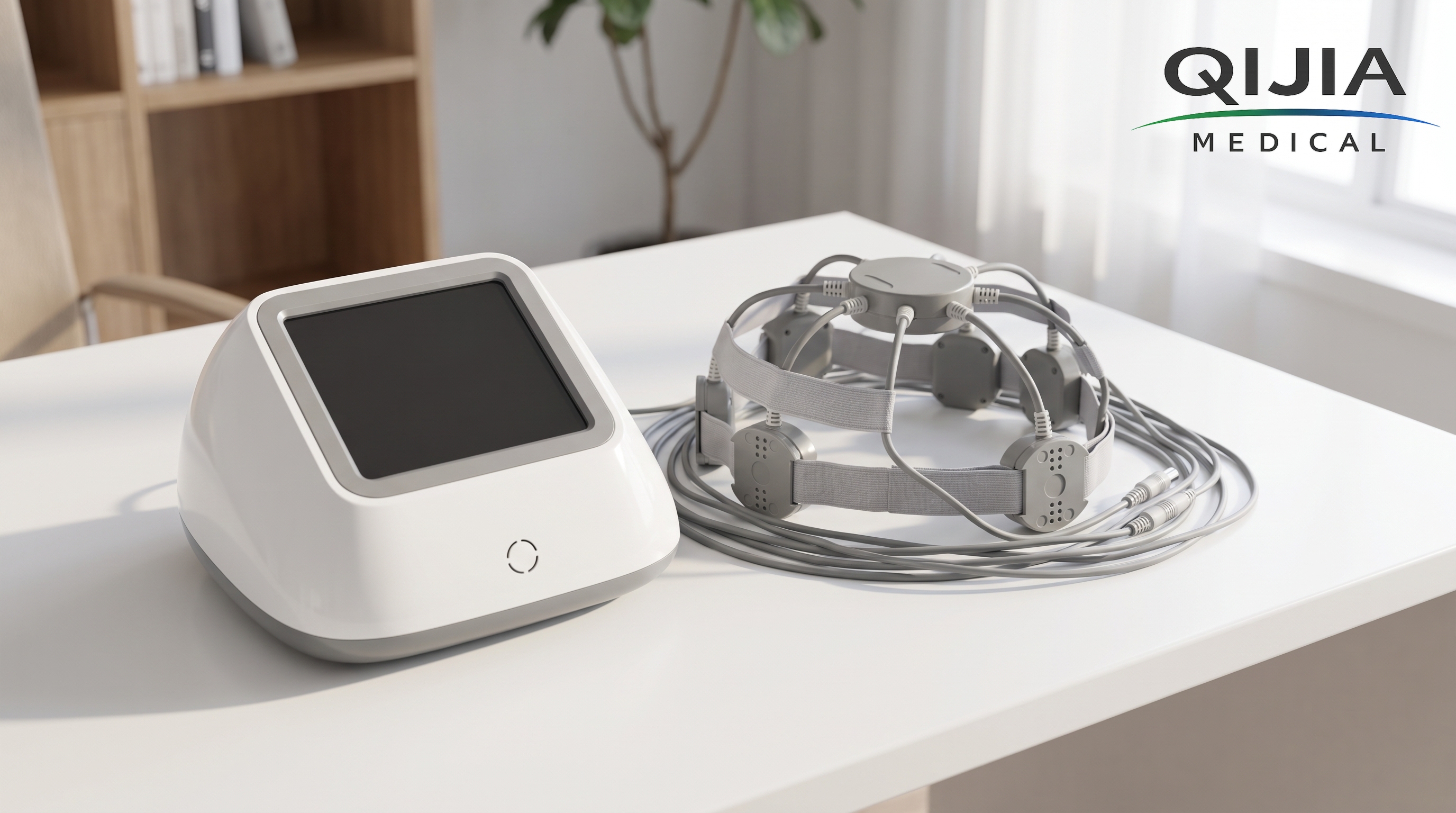
Our TMS system is designed for professional medical applications involving controlled magnetic stimulation. The product can be considered for different clinical and research scenarios according to applicable indications, protocols, and local regulatory requirements.
For distributors and medical-device companies looking for flexible cooperation, QIJIA MEDICAL also provides OEM and ODM medical equipment solutions, supporting partners who require product development and manufacturing capabilities under their own market strategies.
If you are evaluating TMS equipment for pain-management, neurological, rehabilitation, or mental-health applications, our team can provide further product information and discuss potential cooperation. Contact QIJIA MEDICAL to learn more.
Conclusion: Looking Beyond a Single Application
The future of TMS is not limited to one disease or one clinical department.
From migraine and neuropathic pain to depression and broader neurological applications, TMS represents an evolving area of non-invasive brain stimulation. At the same time, the complexity of pain and mental health reminds us that no single technology should be viewed as a universal solution.
The most meaningful progress comes from combining scientific evidence, appropriate patient assessment, responsible device use, and continuous clinical research.
For medical professionals, distributors, and healthcare technology companies, understanding these broader applications can help identify new opportunities in neuromodulation while keeping patient safety and evidence-based practice at the center.
Frequently Asked Questions About TMS
1. What is TMS?
TMS, or Transcranial Magnetic Stimulation, is a non-invasive brain stimulation technology that uses controlled magnetic pulses to influence activity in targeted areas of the brain.
2. Can TMS be used for pain management?
TMS has been studied for several pain-related conditions, including neuropathic pain and headache disorders. Evidence varies by condition and treatment protocol, so clinical suitability should be determined by qualified healthcare professionals.
3. Can TMS help with migraine?
TMS has been investigated for migraine and other headache disorders. Research suggests potential benefits for some patients, although evidence quality varies and treatment protocols are not identical across studies.
4. Is TMS used for depression?
Yes. TMS has an established clinical and research role in depression, particularly for certain patients who have not achieved adequate improvement with conventional approaches.
5. Is TMS suitable for anxiety?
TMS has been studied in relation to anxiety symptoms and anxiety occurring alongside other mental health conditions. Its suitability depends on the specific condition, patient characteristics, treatment protocol, and applicable clinical guidance.
6. Is TMS completely risk-free because it is non-invasive?
No. Non-invasive does not mean risk-free. Temporary headache or discomfort may occur, and rare but serious adverse events such as seizures are recognized. Proper screening and professional operation are important.
7. Can TMS replace medication or other medical treatment?
TMS should not automatically be considered a replacement for medication, psychotherapy, rehabilitation, or other medical interventions. Treatment decisions should be made by qualified healthcare professionals based on the individual patient's condition.
8. Can TMS be used for different medical applications?
TMS is being used or investigated across multiple areas, including depression, pain management, headache disorders, neurological rehabilitation, and other brain-related conditions. The permitted applications depend on the specific device, regulatory status, clinical evidence, and local requirements.
9. Does QIJIA MEDICAL provide OEM and ODM TMS solutions?
QIJIA MEDICAL provides medical-device development and manufacturing cooperation, including OEM and ODM solutions. Partners can contact the company to discuss their product requirements and target markets.
Medical Disclaimer: This article is intended for general educational and informational purposes only. It does not provide medical advice, diagnosis, or treatment recommendations. TMS applications, indications, contraindications, and regulatory requirements vary by device and country. Always consult qualified healthcare professionals and follow the applicable product instructions and regulations.