







Cough Assist Device for Tracheostomy, ICU Recovery and Elderly Respiratory Care: Supporting Effective Airway Management
Breathing is an automatic process, but effective coughing is one of the body's most important protective mechanisms. A strong cough helps clear airway secretions and maintain airway openness. However, when cough strength becomes weakened due to medical conditions, hospitalization, aging, or prolonged immobility, airway secretion management can become a significant challenge.
For patients who cannot generate an effective cough, retained secretions may increase the risk of respiratory complications, including airway obstruction, recurrent infections, and reduced breathing efficiency. Mechanical Insufflation-Exsufflation (MI-E), commonly known as a Cough Assist Device, is designed to simulate a natural cough by applying positive pressure during inhalation and negative pressure during exhalation, helping patients improve cough effectiveness and support airway clearance.
Why Weak Cough Ability Can Become a Respiratory Risk
A normal cough requires coordinated respiratory muscle movement and sufficient airflow. When patients experience reduced muscle strength, fatigue, neurological impairment, or recovery after critical illness, they may struggle to remove airway secretions naturally.
Secretions that remain in the airway for a prolonged period may contribute to breathing difficulties and increase the burden on the respiratory system. This is especially important for patients who require long-term respiratory care, tracheostomy management, or recovery after intensive medical treatment.
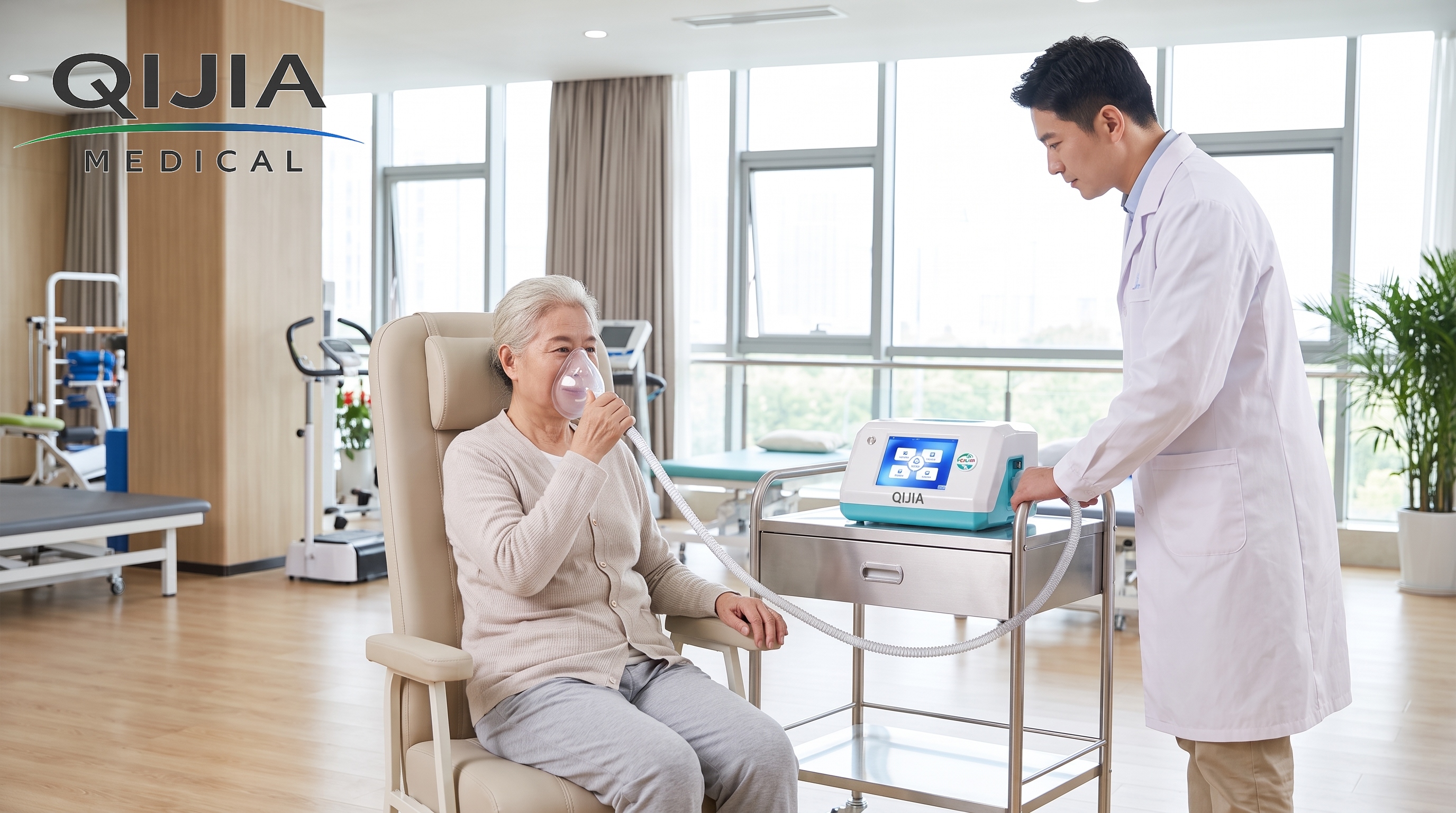
Cough Assist Device Applications in Tracheostomy Patients
Patients with a tracheostomy may have stable breathing support but still experience difficulty producing an effective cough. The presence of an artificial airway, reduced respiratory muscle strength, or long-term illness can affect the body's natural secretion clearance ability.
Traditional suction methods can help remove secretions from certain areas, but they do not replace the natural coughing mechanism. A Cough Assist Device provides a different approach by creating a controlled cycle of insufflation and exsufflation, helping simulate the airflow changes of a natural cough.
Depending on clinical requirements, Cough Assist Device therapy can be delivered through different interfaces, including masks or tracheostomy-related connections, making it suitable for various respiratory care environments.
Cough Assist Device During ICU Recovery and Post-Mechanical Ventilation Care
Patients recovering from intensive care treatment may experience temporary respiratory weakness after prolonged mechanical ventilation, sedation, or severe illness. During this recovery period, even when independent breathing returns, cough effectiveness may not immediately return to normal.
Reduced cough strength can make airway secretion management more difficult and may slow respiratory rehabilitation. For selected patients, mechanical cough assistance can become an important part of respiratory support strategies during recovery.
By assisting the inspiratory and expiratory phases of coughing, Cough Assist Device technology helps provide additional support when patients are unable to produce sufficient cough flow independently.
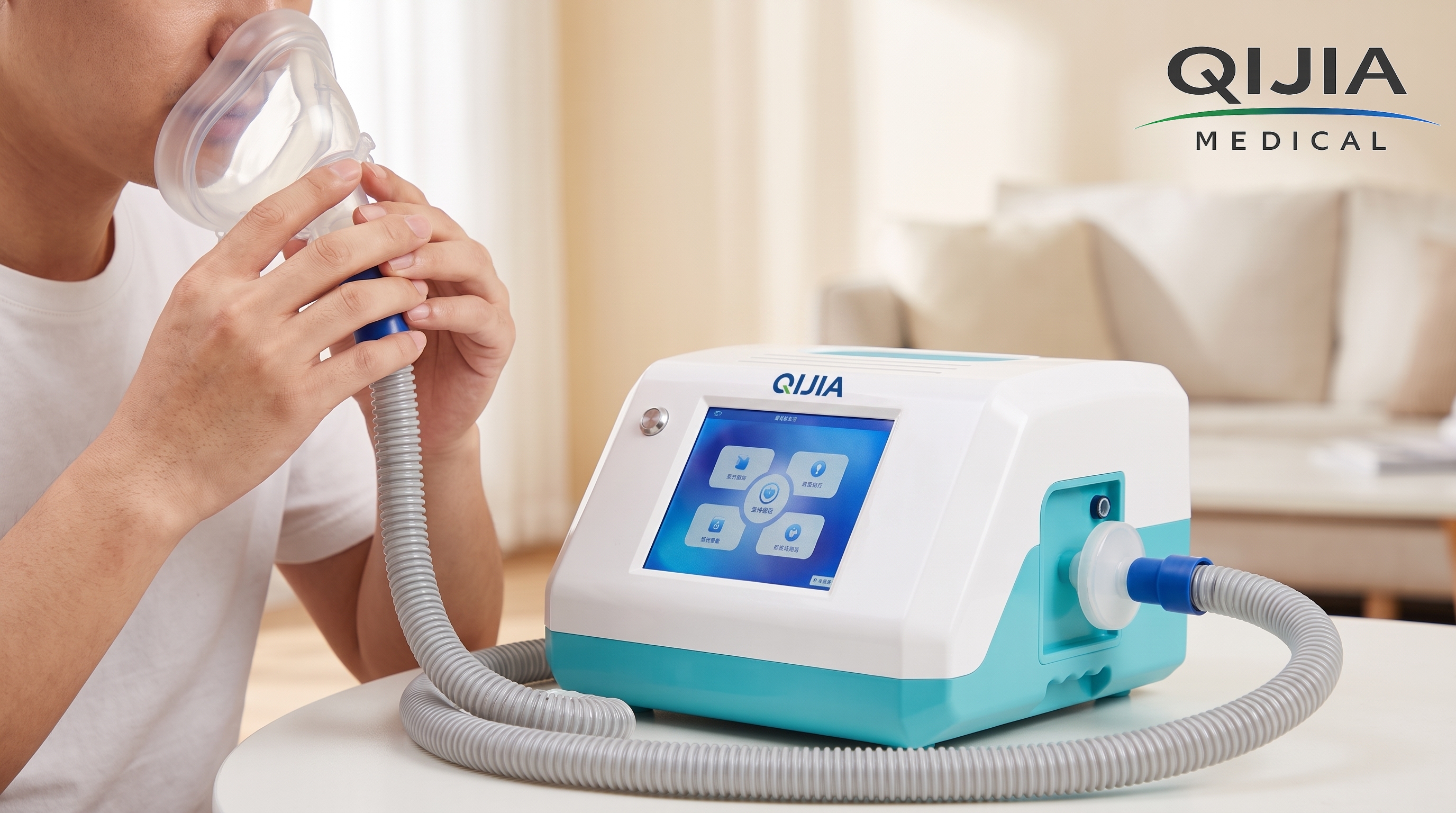
Supporting Respiratory Care for Elderly and Bedridden Patients
Aging and long-term immobility can gradually affect respiratory muscle strength, lung expansion, and coughing ability. Elderly patients who spend extended periods in bed may have a higher risk of respiratory complications because they often have reduced mobility and weaker natural airway clearance mechanisms.
For caregivers and healthcare providers, maintaining effective airway management is an important part of long-term care. Cough Assist Device solutions can provide additional respiratory support for patients who have difficulty clearing airway secretions due to reduced cough effectiveness.
How Does a Cough Assist Device Work?
A Cough Assist Device uses Mechanical Insufflation-Exsufflation (MI-E) technology:
Insufflation: Positive pressure helps deliver air into the lungs, similar to a deep breath.
Exsufflation: A rapid transition to negative pressure creates a strong outward airflow that simulates coughing.
Adjustable Therapy: Treatment parameters such as inspiratory pressure, expiratory pressure, and therapy time can be adjusted according to patient needs.
This controlled approach helps healthcare professionals provide personalized respiratory management for patients with reduced cough ability.
Choosing a Reliable Cough Assist Device Manufacturer
For hospitals, rehabilitation centers, distributors, and respiratory care providers, selecting a reliable medical device partner is essential. A professional manufacturer should provide stable product quality, technical support, customization capabilities, and comprehensive after-sales service.
QIJIA MEDICAL focuses on respiratory care and rehabilitation technology, providing medical equipment solutions with OEM/ODM capabilities for global healthcare partners. Learn more about our company and cooperation opportunities through our OEM/ODM medical equipment manufacturing solutions.
If you are looking for a Cough Assist Device solution for clinical applications, rehabilitation facilities, or distribution opportunities, please feel free to contact QIJIA MEDICAL for further discussion.
Frequently Asked Questions (FAQ)
1. What is a Cough Assist Device used for?
A Cough Assist Device is used to support patients who have difficulty generating an effective cough. It helps simulate natural coughing through mechanical insufflation and exsufflation to assist airway secretion management.
2. Can a Cough Assist Device be used for tracheostomy patients?
Yes. Cough Assist Devices may be used for suitable tracheostomy patients under professional guidance. Different interfaces can be selected depending on the patient's respiratory condition and clinical requirements.
3. Is Cough Assist only used in hospitals?
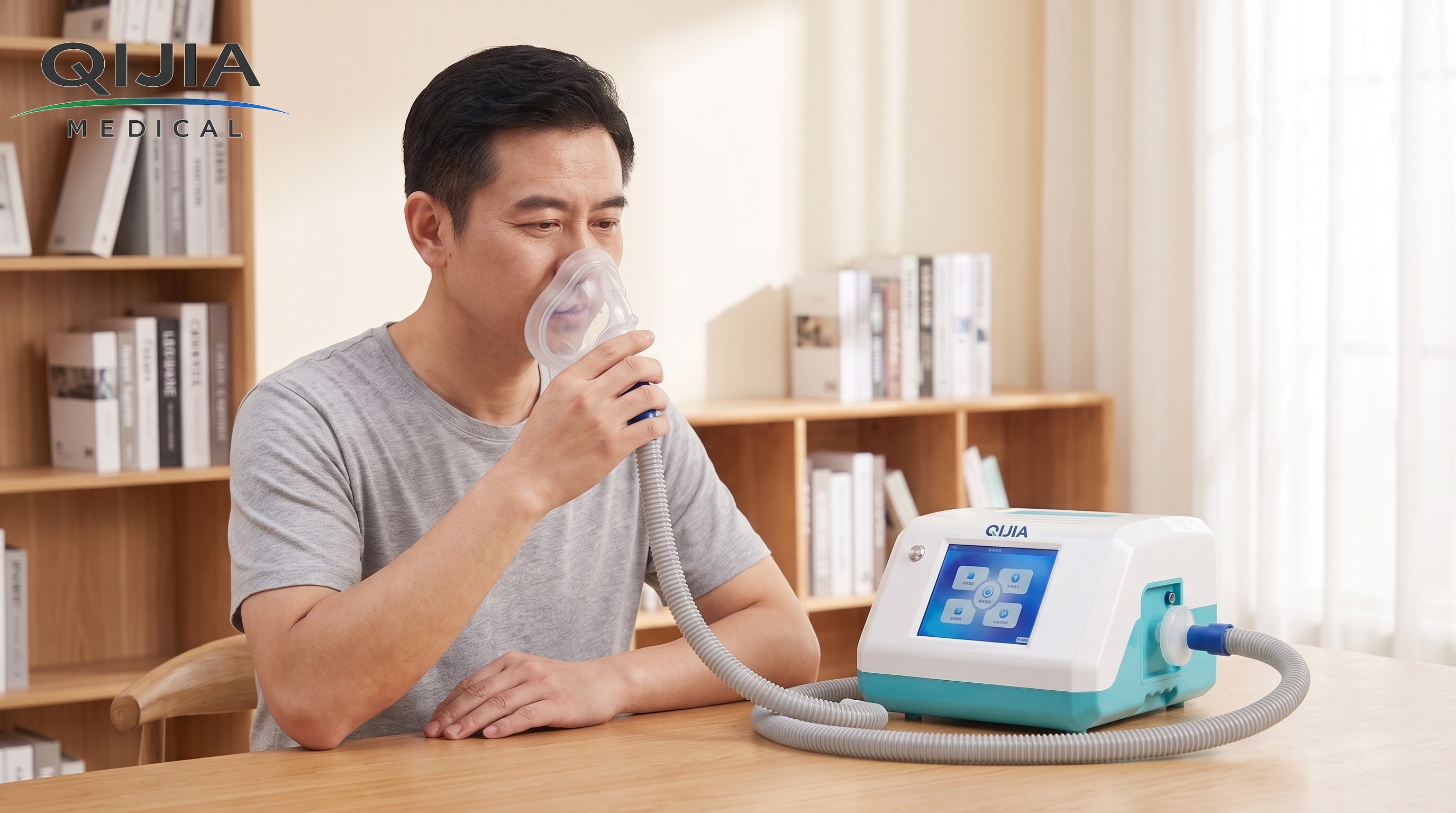
No. Although commonly used in hospitals and rehabilitation facilities, some patients may also use cough assistance technology in long-term respiratory care settings, including home care environments with appropriate medical guidance.
4. How is Cough Assist different from traditional suction methods?
Traditional suction mainly removes accessible airway secretions, while Cough Assist focuses on enhancing the coughing mechanism by creating airflow changes similar to a natural cough.
5. Can elderly or bedridden patients benefit from cough assistance?
Patients with reduced cough effectiveness caused by aging, immobility, or respiratory weakness may benefit from professional evaluation to determine whether cough assistance is appropriate.
QIJIA MEDICAL — Connecting respiratory care solutions worldwide.