







Weak Cough After Spinal Cord Injury, Stroke and Immobility: The Role of Cough Assist Devices
A patient may be breathing independently, speaking with family members, or participating in rehabilitation and still have a hidden respiratory challenge: the inability to produce an effective cough. This problem can easily be overlooked because breathing and coughing are closely related but are not the same physiological function.
An effective cough requires adequate air intake, coordinated respiratory muscle activity, and sufficient expiratory airflow to move secretions through the airways. When these mechanisms are impaired, mucus may remain in the respiratory tract instead of being cleared naturally. For vulnerable patients, retained secretions can contribute to airway obstruction, atelectasis, and respiratory infections.
This challenge deserves particular attention in people recovering from spinal cord injuries, patients affected by stroke or other neurological injuries, and older adults or individuals who spend prolonged periods in bed. Although the underlying causes differ, these groups may share a common problem: reduced ability to clear airway secretions independently.
A Cough Assist Device uses Mechanical Insufflation-Exsufflation (MI-E) technology to support selected patients with an ineffective cough. By delivering positive pressure during inhalation and rapidly transitioning to negative pressure during exhalation, the device helps generate airflow that simulates important aspects of a natural cough.
Understanding the connection between impaired coughing and respiratory risk can help healthcare providers develop more appropriate airway management strategies for patients with complex care needs.
1. Spinal Cord Injury: When Respiratory Muscle Function Is Compromised
Spinal cord injuries can affect the muscles responsible for breathing and coughing, particularly when the injury involves neurological pathways controlling the chest and abdominal muscles. The degree of respiratory impairment depends on the injury's location, severity, and the patient's overall condition.
In some patients, inspiration becomes less effective because respiratory muscle strength is reduced. Others may be able to inhale but lack the abdominal and intercostal muscle strength needed to generate a forceful cough. As a result, secretions can become difficult to move out of the lower airways.
The consequences may become more serious during a respiratory infection. Increased mucus production places additional demands on the patient's already limited cough capacity. If secretions cannot be cleared adequately, breathing may become more difficult and complications such as mucus plugging, atelectasis, or pneumonia may develop.
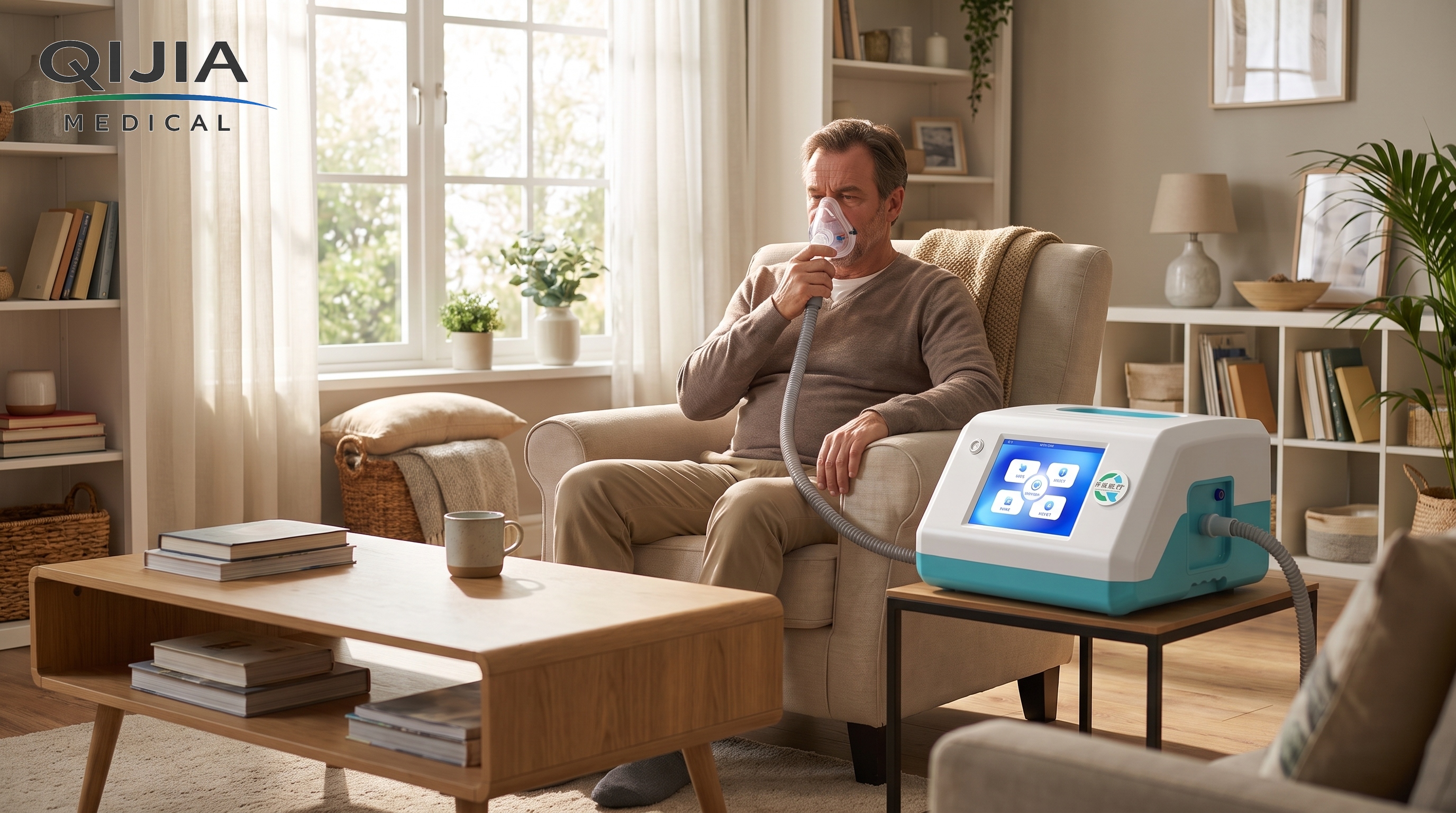
Why Is Airway Clearance Important During Spinal Cord Injury Rehabilitation?
Rehabilitation after spinal cord injury often focuses on mobility, daily activities, and functional independence. Respiratory management is another important consideration, particularly for patients with high-level injuries or persistent respiratory muscle weakness.
A patient who has limited arm movement or trunk control may also face practical difficulties when attempting to perform conventional assisted-cough techniques. Depending on the injury and clinical condition, the healthcare team may consider a combination of respiratory exercises, manually assisted coughing, mechanical cough assistance, and other secretion management methods.
Mechanical insufflation-exsufflation can be useful for appropriately selected patients whose cough remains ineffective. Positive pressure helps increase inspiratory volume, while the subsequent negative-pressure phase assists the outward movement of air and mobilized secretions.
The objective is to support airway clearance, not to treat the spinal cord injury itself. Treatment must be individualized, particularly when associated chest trauma, unstable medical conditions, or other contraindications may affect the safety of pressure-based respiratory techniques.
2. Stroke and Neurological Injury: The Connection Between Nerve Control and Cough Effectiveness
A stroke or other neurological injury can affect the coordination of breathing, swallowing, and coughing. Depending on the area of the nervous system involved, some patients may have difficulty generating sufficient cough strength, coordinating the different phases of a cough, or protecting the airway during swallowing.
These problems can create several overlapping respiratory concerns. A weak cough may limit the removal of secretions, while swallowing impairment may increase the risk of material entering the airway. Reduced mobility and changes in consciousness can add further challenges to daily respiratory care.
Importantly, not every stroke patient has an ineffective cough, and a Cough Assist Device is not automatically appropriate for every neurological injury. Clinical evaluation is necessary to identify the specific impairment and determine which airway management techniques are suitable.
Recognizing Respiratory Challenges During Neurological Rehabilitation
Healthcare professionals may need to pay attention to changes such as a noticeably weak cough, difficulty clearing secretions, repeated respiratory infections, or increased respiratory effort. These findings should prompt appropriate assessment rather than being attributed solely to general fatigue or reduced mobility.
For selected patients with inadequate cough effectiveness, mechanical cough assistance may be considered as part of a comprehensive respiratory care plan. The treatment approach depends on the patient's ability to cooperate, airway protection, secretion burden, and tolerance of the prescribed technique.
In patients with significant swallowing impairment or reduced consciousness, airway protection and aspiration risk require particular attention. A Cough Assist Device does not prevent aspiration and cannot replace swallowing assessment, suctioning when indicated, or other essential clinical interventions.
For rehabilitation facilities, understanding these distinctions is important when establishing respiratory care protocols. The goal is to select a suitable combination of interventions rather than relying on a single device to address every respiratory problem.
3. Elderly and Bedridden Patients: When Limited Mobility Adds to Respiratory Risk
Older age alone does not mean that a person needs mechanical cough assistance. However, some older adults experience a combination of reduced respiratory muscle strength, chronic disease, frailty, and limited mobility that makes effective coughing more difficult.
For patients who remain in bed for extended periods, reduced physical activity may coincide with shallow breathing, fatigue, and difficulty repositioning independently. If the patient also has an ineffective cough, respiratory secretions may become harder to manage.
The situation can be particularly challenging for people recovering from major illness or surgery, or those living with neurological conditions that limit movement. Caregivers may notice frequent coughing attempts that do not effectively clear secretions, increased dependence on assistance, or a decline in the patient's ability to manage respiratory symptoms.
Why a Weak Cough Should Not Be Ignored
Persistent secretion retention can contribute to airway blockage and may be associated with atelectasis and respiratory infection. Older or medically complex patients may have less physiological reserve to tolerate these complications, making early recognition and appropriate clinical assessment important.
Respiratory care may involve changes in positioning, mobility when appropriate, hydration management according to the patient's medical plan, prescribed airway clearance techniques, and monitoring for signs of deterioration.
For patients who cannot generate sufficient cough airflow, a Cough Assist Device may provide additional mechanical assistance when recommended by the treating team. Its role is to help mobilize secretions through controlled pressure changes, potentially making airway clearance more manageable for selected patients.
For home-care providers and families, it is important to understand that equipment alone does not guarantee effective secretion clearance. Caregiver training, appropriate treatment settings, and a clear plan for escalation when symptoms worsen remain essential.

How Does a Cough Assist Device Support Airway Clearance?
A Cough Assist Device uses Mechanical Insufflation-Exsufflation (MI-E) technology to reproduce key airflow changes involved in coughing. Instead of depending entirely on the patient's respiratory muscles, it assists the inspiratory and expiratory phases through controlled airway pressure.
Insufflation: Positive pressure delivers air into the lungs, helping increase inspiratory volume.
Pressure transition: The device rapidly changes from positive pressure toward negative pressure.
Exsufflation: Negative pressure generates outward airflow to help move secretions toward the central airway.
Secretion removal: Mobilized secretions can then be expelled through coughing or removed using another clinically appropriate method, such as suction when necessary.
The intended benefit is to assist patients whose natural cough is not strong enough to clear secretions effectively. The actual response varies according to the patient's condition, airway characteristics, secretion burden, and treatment protocol.
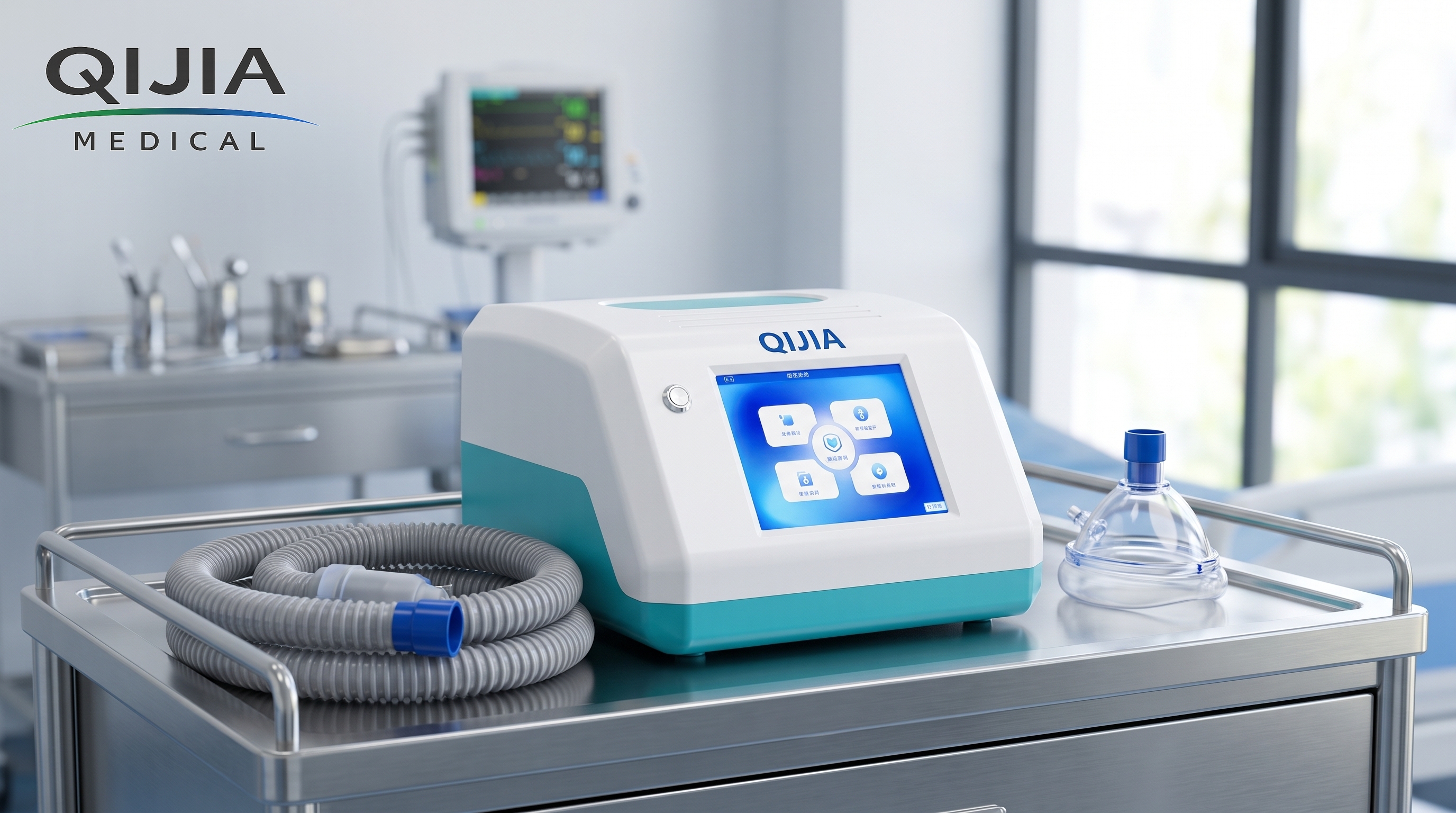
QIJIA MEDICAL's Cough Assist Device provides adjustable inspiratory pressure, expiratory pressure, and treatment time. These settings allow trained healthcare professionals to configure the treatment according to individual clinical requirements and the device's intended use.
Cough Assist Device vs. Traditional Secretion Management
Different airway clearance methods address different aspects of respiratory care. Understanding these differences helps healthcare providers determine whether mechanical cough assistance may be useful alongside other interventions.
Voluntary coughing: Uses the patient's own respiratory muscle strength and coordination to expel secretions.
Manually assisted coughing: Adds external assistance to a cough for selected patients with respiratory muscle weakness.
Suctioning: Removes accessible secretions using an appropriate suction system.
Mechanical insufflation-exsufflation: Uses positive and negative pressure to assist cough airflow and mobilize secretions.
These techniques are not interchangeable in every situation. A patient may require one method or a combination of methods depending on the source of the respiratory problem and the effectiveness of each intervention.
For example, mechanical cough assistance may help mobilize secretions, but a patient may still require suction if the secretions cannot be expelled independently. Similarly, a patient with swallowing dysfunction may need a separate plan to address aspiration risk.
The most appropriate strategy is one that addresses the patient's actual respiratory limitations and is reviewed as their condition changes.
Clinical Assessment and Safety Considerations
Mechanical cough assistance should not be selected solely on the basis of age, diagnosis, or reduced mobility. Healthcare professionals should assess cough effectiveness, respiratory function, secretion management needs, airway status, and the patient's ability to tolerate treatment.
Pressure-based respiratory techniques also require screening for contraindications and precautions. Conditions such as an untreated pneumothorax, certain forms of barotrauma, or other unstable medical conditions may make treatment inappropriate or require specialist assessment. The exact precautions depend on the patient and the device's instructions for use.
Additional care may be needed for patients with significant swallowing dysfunction, impaired consciousness, complex tracheostomy arrangements, or difficulty communicating discomfort during treatment.
Patients and caregivers should receive training on the prescribed interface, operating procedure, equipment maintenance, and signs that require medical attention. Treatment pressure and timing should not be changed without appropriate clinical guidance.
Worsening breathlessness, sudden changes in respiratory status, reduced oxygen levels when monitored, fever, or an inability to clear secretions may indicate clinical deterioration. Severe breathing difficulty requires urgent medical attention rather than repeated attempts to manage the problem with a device alone.
Choosing a Cough Assist Device for Healthcare and Distribution Needs
Hospitals, rehabilitation centers, respiratory care providers, and medical equipment distributors may have different requirements when evaluating a Cough Assist Device. Clinical suitability is the first consideration, followed by product specifications, usability, documentation, maintenance, and manufacturer support.
Important evaluation points may include:
Adjustability of inspiratory and expiratory pressure.
Control of treatment timing according to prescribed requirements.
Appropriate interfaces for the intended patient population and clinical setup.
Clear operating instructions and technical documentation.
Reliable technical support, maintenance guidance, and after-sales communication.
Relevant quality documentation and regulatory compliance for the target market.
For distributors and healthcare organizations, cooperation with an experienced medical equipment manufacturer can also help clarify product requirements, customization possibilities, and long-term supply arrangements.
QIJIA MEDICAL provides respiratory care and rehabilitation equipment solutions for international healthcare partners. Our Cough Assist Device features adjustable inspiratory pressure, expiratory pressure, and treatment time, with treatment settings determined by qualified professionals according to patient needs.
Explore the product specifications and applications on our Cough Assist Device product page.
QIJIA MEDICAL: OEM/ODM Cooperation for Global Healthcare Partners
As respiratory care needs continue across hospitals, rehabilitation facilities, and selected home-care settings, healthcare organizations need clear product information and dependable manufacturing support.
QIJIA MEDICAL works with international medical equipment distributors and healthcare partners, offering OEM/ODM cooperation opportunities across its medical equipment portfolio. We welcome inquiries from organizations seeking product information, distribution cooperation, or customized manufacturing discussions.
Learn more about our company and cooperation capabilities on the QIJIA MEDICAL About Us page.
For product specifications, distribution inquiries, or OEM/ODM opportunities, please contact our team.
Frequently Asked Questions (FAQ)
1. Why can spinal cord injury lead to an ineffective cough?
Depending on the injury's location and severity, spinal cord damage may weaken the respiratory and abdominal muscles involved in coughing. This can reduce expiratory airflow and make it more difficult to clear airway secretions.
2. Can a Cough Assist Device be used for stroke patients?
It may be considered for selected stroke patients who have an ineffective cough. However, swallowing impairment, aspiration risk, consciousness, and the patient's ability to tolerate treatment must also be assessed by qualified healthcare professionals.
3. Do elderly or bedridden patients automatically need a Cough Assist Device?
No. Age or limited mobility alone does not establish a need for mechanical cough assistance. The device may be considered when a patient has an ineffective cough and a healthcare professional determines that mechanical assistance is appropriate.
4. How does a Cough Assist Device help move secretions?
It delivers positive pressure during inhalation and rapidly transitions to negative pressure during exhalation. This creates outward airflow that can help mobilize secretions toward the central airway for removal.
5. Does a Cough Assist Device replace suctioning?
No. Mechanical cough assistance and suctioning work differently. Some patients can expel mobilized secretions themselves, while others may still require suctioning or additional airway management techniques.
6. Can a Cough Assist Device be used at home?
Selected patients may use the device at home as part of an established respiratory care plan. Professional assessment, prescribed settings, caregiver training, equipment maintenance, and follow-up are important for appropriate use.
7. What settings can be adjusted on the QIJIA MEDICAL Cough Assist Device?
The device provides adjustable inspiratory pressure, expiratory pressure, and treatment time. The appropriate settings should be established by trained healthcare professionals based on the patient's condition and treatment requirements.
8. Is mechanical cough assistance suitable for every patient with respiratory secretions?
No. It is intended to assist coughing in appropriately selected patients with ineffective cough. The underlying cause of secretion retention, relevant contraindications, and the patient's clinical condition should be assessed before treatment.
QIJIA MEDICAL — Respiratory Care and Rehabilitation Solutions for Global Healthcare Partners.