







Hand Rehabilitation Equipment for Hospitals: Supporting Functional Recovery and Patient Care
The ability to move the fingers and use the hands is essential for many everyday activities, from holding a cup and operating a phone to dressing, eating, and performing personal care. When illness, injury, surgery, or neurological impairment affects hand function, patients may face challenges that extend far beyond the hand itself.
For hospitals and rehabilitation centers, hand rehabilitation is an important part of supporting patients as they work toward improved movement, functional independence, and participation in daily activities. Depending on each patient's condition and rehabilitation goals, structured finger movement exercises and specialized rehabilitation equipment may be incorporated into a broader care plan.
This article explores why hand function deserves attention in hospital care, what can happen when movement limitations are not appropriately addressed, and how hand rehabilitation equipment can support organized rehabilitation programs.
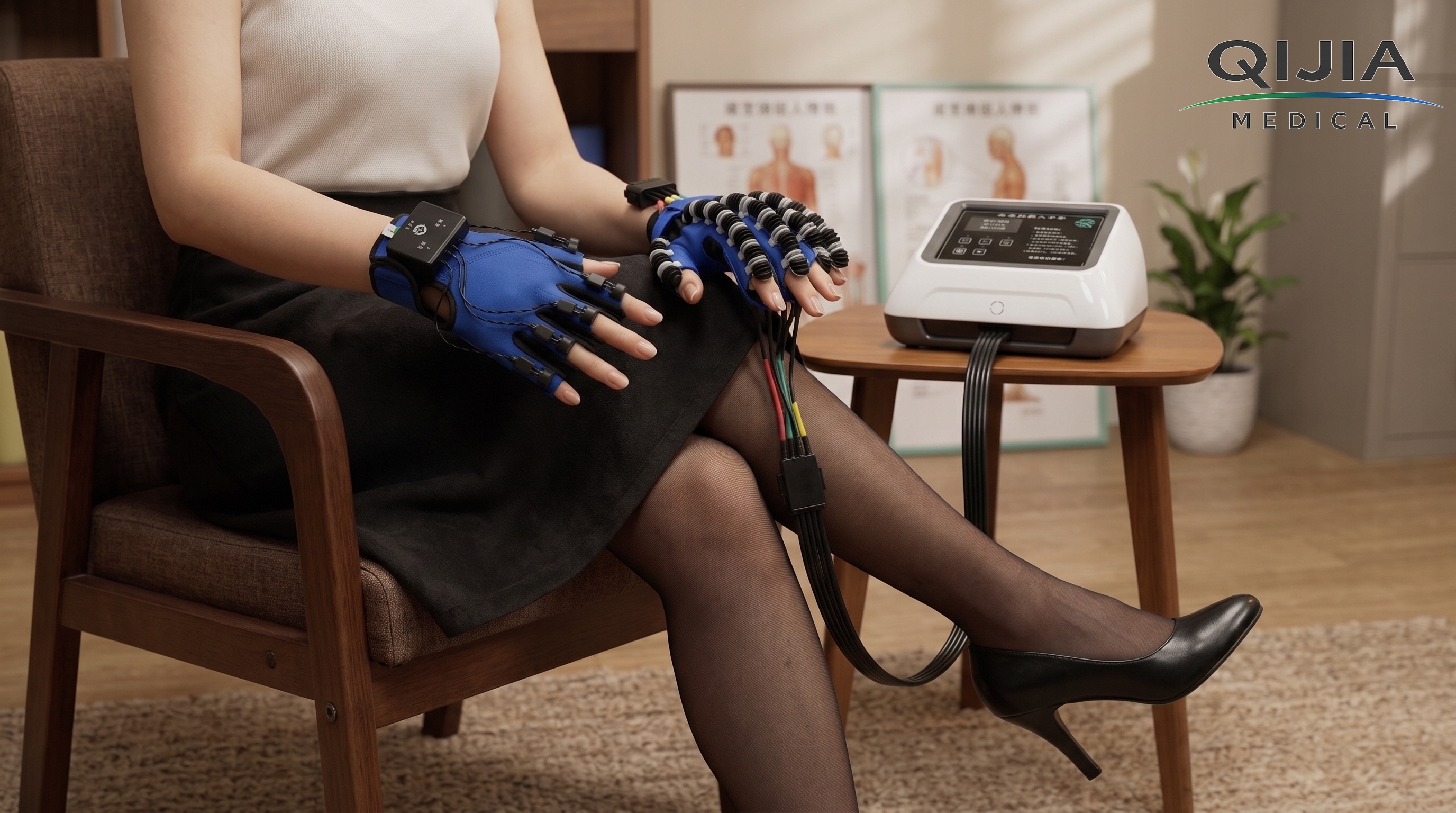
Why Hand Function Matters During Hospital Rehabilitation
Hospital rehabilitation often focuses on helping patients manage the functional consequences of a medical condition, injury, or surgical procedure. While walking ability and general mobility may receive considerable attention, hand function is equally important for many aspects of daily life.
Patients may have difficulty opening their fingers, closing the hand around an object, coordinating individual finger movements, or maintaining a comfortable hand position. These limitations can affect both basic self-care and more complex tasks that require coordination and precision.
For example, reduced hand function may make it more difficult for a patient to:
Hold utensils and manage meals independently.
Grip personal belongings or everyday objects.
Fasten clothing or perform personal hygiene tasks.
Use a mobile phone, keyboard, or other daily-use devices.
Participate in exercises that require controlled hand and finger movements.
These difficulties may increase the amount of assistance a patient needs from caregivers and healthcare staff. They can also influence discharge planning, particularly when a patient is expected to continue recovery at home.
For this reason, assessing hand function and identifying appropriate rehabilitation goals can be an important part of a coordinated hospital rehabilitation plan.
What Happens When Hand Movement Limitations Persist?
Limited hand movement can result from different underlying causes, including neurological conditions, trauma, fractures, tendon injuries, postoperative restrictions, and other musculoskeletal problems. The effects vary according to the nature and severity of the condition.
1. Reduced Joint Mobility and Movement Control
When a patient is unable to move the fingers through an appropriate range of motion for an extended period, joint stiffness and reduced flexibility may become concerns. Some patients may also experience difficulties coordinating movements or initiating specific finger actions.
These problems do not develop in the same way for every patient. However, when clinically appropriate movement is limited, healthcare professionals may need to consider positioning, prescribed exercises, and other rehabilitation strategies to help manage the risk of further functional decline.
2. Greater Dependence on Daily Assistance
The hands are involved in many tasks that people usually perform without thinking. Even a relatively localized movement limitation can make eating, dressing, grooming, and handling small objects more difficult.
When patients cannot perform these tasks independently, they may require additional support from nurses, therapists, family members, or other caregivers. Rehabilitation planning should therefore consider not only isolated finger movements but also how hand function relates to practical daily activities.
3. Challenges During Recovery After Injury or Surgery
Following hand or upper-limb surgery, the appropriate timing and type of movement depend on the procedure, tissue healing, and instructions from the treating clinician. Some movements may be encouraged, while others must be restricted during particular stages of recovery.
Starting exercises too early, using unsuitable resistance, or moving beyond prescribed limits may place healing tissues at risk. On the other hand, prolonged restrictions without an appropriate rehabilitation plan may contribute to ongoing functional limitations in some patients.
This is why hospital rehabilitation should be based on professional assessment rather than a one-size-fits-all exercise routine. Equipment can support a treatment plan, but it must be selected and used according to the patient's clinical needs and applicable precautions.
4. Longer-Term Effects on Independence and Discharge Planning
Persistent hand dysfunction may affect a patient's ability to return to work, manage household activities, or live independently. For hospitals, these challenges can make rehabilitation goals and discharge arrangements more complex.
Identifying hand-related difficulties early in the care process may help the rehabilitation team plan appropriate interventions, establish realistic functional goals, and determine whether additional therapy or assistive equipment should be considered.
Which Hospital Patients May Need Hand Rehabilitation?
Hand rehabilitation is not limited to one diagnosis or patient group. Hospitals may assess hand function in patients with neurological, orthopedic, traumatic, and postoperative conditions. The appropriate intervention depends on the diagnosis, stage of recovery, physical examination, and individual treatment plan.
Patients With Neurological Conditions
Stroke, brain injury, spinal cord injury, and certain other neurological conditions may affect the strength, coordination, or control of the hand and fingers. Some patients have difficulty opening the hand, grasping objects, or coordinating finger movements during functional tasks.
For selected patients, repeated and appropriately guided hand movement exercises may form part of a comprehensive rehabilitation program. Therapists may combine these exercises with task-specific activities, positioning strategies, and other interventions based on the patient's abilities and goals.
Patients Recovering From Hand or Upper-Limb Surgery
Patients recovering from fractures, tendon injuries, nerve injuries, or other upper-limb procedures may experience temporary or persistent limitations in hand function. Their rehabilitation needs can differ substantially depending on the injury and surgical approach.
Before introducing a hand rehabilitation device, the clinical team should confirm that the proposed movements are appropriate for the patient's current recovery stage. Any restrictions on joint movement, loading, or finger motion must take priority over the device's available settings.
Patients in Inpatient and Outpatient Rehabilitation Programs
Inpatient rehabilitation may address functional limitations identified during hospitalization, while outpatient rehabilitation can support ongoing recovery after discharge. Both settings may benefit from a structured approach to recording patient performance, setting exercise goals, and reviewing progress.
Hand rehabilitation equipment may be considered as one component of these programs when its functions match the patient's needs and the facility's clinical protocols.
The Role of Hand Rehabilitation Equipment in Hospitals
Hand rehabilitation equipment provides healthcare facilities with additional tools for organizing selected movement exercises. Depending on the device design, equipment may assist with finger opening and closing movements or provide a consistent format for carrying out prescribed training sessions.
For rehabilitation teams, a suitable device may help integrate repeated finger movement practice into a wider treatment program. It should not be viewed as a replacement for clinical evaluation, hands-on therapy, functional task practice, or other interventions that a patient may require.
Supporting Structured Finger Movement Training
Finger movement exercises may be used to address specific rehabilitation goals when clinically appropriate. A dedicated hand rehabilitation device can provide a defined setup for selected movements, helping staff incorporate device-based exercises into an organized session.
However, the presence of repeated movement alone does not guarantee functional improvement. Exercise selection, patient participation, appropriate assistance, and ongoing assessment remain important considerations.
Offering Adjustable Training Parameters
Patients in the same hospital department may have different movement abilities and tolerance levels. Equipment with adjustable settings can give trained staff options for configuring sessions within the device's intended operating range.
Adjustability should always be used thoughtfully. The most appropriate setting is not necessarily the highest level or the longest duration. Training parameters should follow the device instructions and the patient's individual rehabilitation plan.
Complementing Therapist-Led Care
Rehabilitation professionals assess more than finger movement. They may also consider sensation, pain, swelling, muscle tone, joint mobility, coordination, cognition, and the patient's ability to perform everyday activities.
Hand rehabilitation equipment can complement this process by providing an additional method for selected exercises. Therapists remain responsible for deciding whether a device is suitable, supervising its use when necessary, and determining when the rehabilitation plan needs to change.
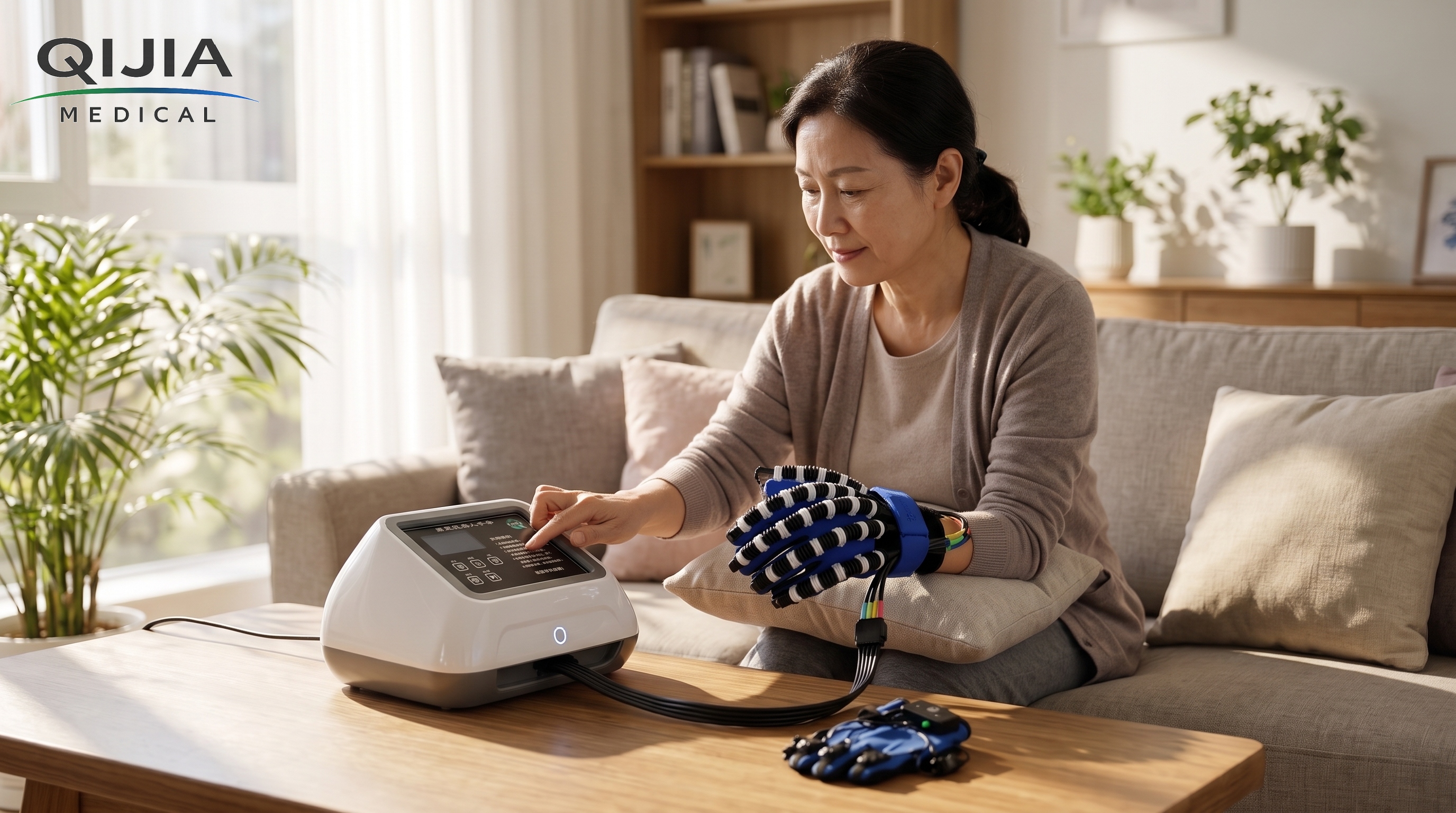
Introducing the QIJIA MEDICAL Smart Hand Rehabilitation Glove
For hospitals and rehabilitation centers evaluating equipment for structured hand movement training, the QIJIA MEDICAL Smart Hand Rehabilitation Glove series offers an option to consider as part of a broader rehabilitation equipment portfolio.
The system is designed for hand and finger movement training applications. Depending on the selected model and the patient's needs, it may be incorporated into an appropriate rehabilitation program under professional guidance.
Key product features include:
Adjustable training levels: Levels 1–9 provide adjustable settings within the device's operating range.
Adjustable training duration: Session duration can be set from 5 to 30 minutes.
Finger movement training: The system supports training involving finger opening and closing movements, subject to the model's specifications and the patient's suitability.
Multiple model options: The series includes DJ10, DJ20, and DJ30 models.
Mirror-glove functionality: The DJ30 model includes a mirror-glove feature. Healthcare providers should review the model-specific documentation to understand its operation and suitability for their intended use.
These features can be useful when a facility is comparing rehabilitation equipment for its clinical environment. Before purchasing, hospitals should review the intended use, technical specifications, applicable regulatory documentation, maintenance requirements, and training needs for the selected model.
To learn more about the product, visit the QIJIA MEDICAL hand and limb rehabilitation equipment page.
How Hospitals Can Evaluate Hand Rehabilitation Equipment
Selecting rehabilitation equipment involves more than comparing product appearance or the number of available settings. Hospitals and rehabilitation centers should consider how a device fits their patient population, clinical workflow, and equipment management requirements.
1. Confirm the Intended Use and Patient Suitability
Review the manufacturer's instructions and intended-use documentation before introducing equipment into clinical practice. A device suitable for one rehabilitation goal may not be appropriate for another, even when the patients have similar diagnoses.
Patients with severe stiffness, significant pain, altered sensation, skin problems, recent surgery, or other complicating factors may require additional assessment before device-based exercises are considered.
2. Assess Ease of Operation and Staff Training
Hospital equipment should be practical for the staff members responsible for setting up, operating, cleaning, and monitoring it. Clear operating instructions and appropriate staff training can help support consistent use in accordance with facility procedures.
Purchasing teams should also clarify what training, technical documentation, and after-sales support are available from the supplier.
3. Consider Patient Comfort and Safe Positioning
A device should be fitted and positioned according to its instructions and the patient's individual needs. Staff should check that the hand is supported appropriately and that the exercise does not cause undue discomfort or place inappropriate stress on the fingers or joints.
Training should be stopped and reassessed if the patient experiences unexpected pain, increased swelling, skin irritation, or other concerning symptoms. Clinical judgment should guide whether and when exercise can resume.
4. Review Maintenance, Hygiene, and Equipment Management
Shared clinical equipment requires a clear cleaning and maintenance process. Hospitals should follow the manufacturer's instructions for cleaning the device and any reusable components, and determine whether the equipment is suitable for the facility's infection prevention procedures.
Purchasing teams may also wish to review warranty terms, availability of replacement components, technical support, and the supplier's ability to provide relevant product documentation.
5. Match Equipment to Rehabilitation Goals
Before selecting a device, define the functional needs it is expected to support. A hospital may be seeking equipment for selected finger movement exercises, a specialized neurological rehabilitation program, or a broader rehabilitation department.
Comparing these requirements with the device's documented capabilities can help facilities make a more informed decision and avoid choosing equipment based only on general marketing descriptions.
Safety Considerations for Hospital Hand Rehabilitation
Hand rehabilitation should be individualized. The fact that a device offers adjustable levels or a defined training duration does not mean that every setting is appropriate for every patient.
Before use, qualified healthcare professionals should consider the patient's diagnosis, current medical status, range of motion, sensation, pain, skin condition, surgical precautions, and ability to tolerate the planned activity.
Additional precautions may be necessary for patients with fragile skin, significant swelling, severe joint stiffness, impaired sensation, or movement restrictions following surgery or injury. The device should only be used in accordance with its instructions and applicable clinical protocols.
Equipment-based exercise should also be integrated with appropriate functional goals. Practicing finger movements may be one part of rehabilitation, while tasks such as grasping, releasing, dressing, or handling everyday objects may require separate assessment and training.
Important: Hand rehabilitation equipment is not a substitute for medical assessment or an individualized treatment plan. Suitability, exercise settings, and progression should be determined by qualified healthcare professionals. Outcomes vary according to the patient's condition and other clinical factors.
QIJIA MEDICAL: Rehabilitation Equipment for Healthcare Providers
Hospitals and rehabilitation centers need equipment that fits their intended clinical applications, operational requirements, and procurement standards. QIJIA MEDICAL provides medical equipment solutions and welcomes inquiries from healthcare organizations, medical equipment distributors, and business partners.
For organizations exploring product supply or customized cooperation, QIJIA MEDICAL also provides information about its manufacturing capabilities and OEM/ODM cooperation options. Specific customization possibilities, documentation, and commercial terms should be confirmed with the company according to the project requirements.
Learn more about the company on the QIJIA MEDICAL About Us page, or contact the team to discuss hospital rehabilitation equipment requirements and potential distribution cooperation.
Contact QIJIA MEDICAL for product information, technical specifications, and business inquiries.
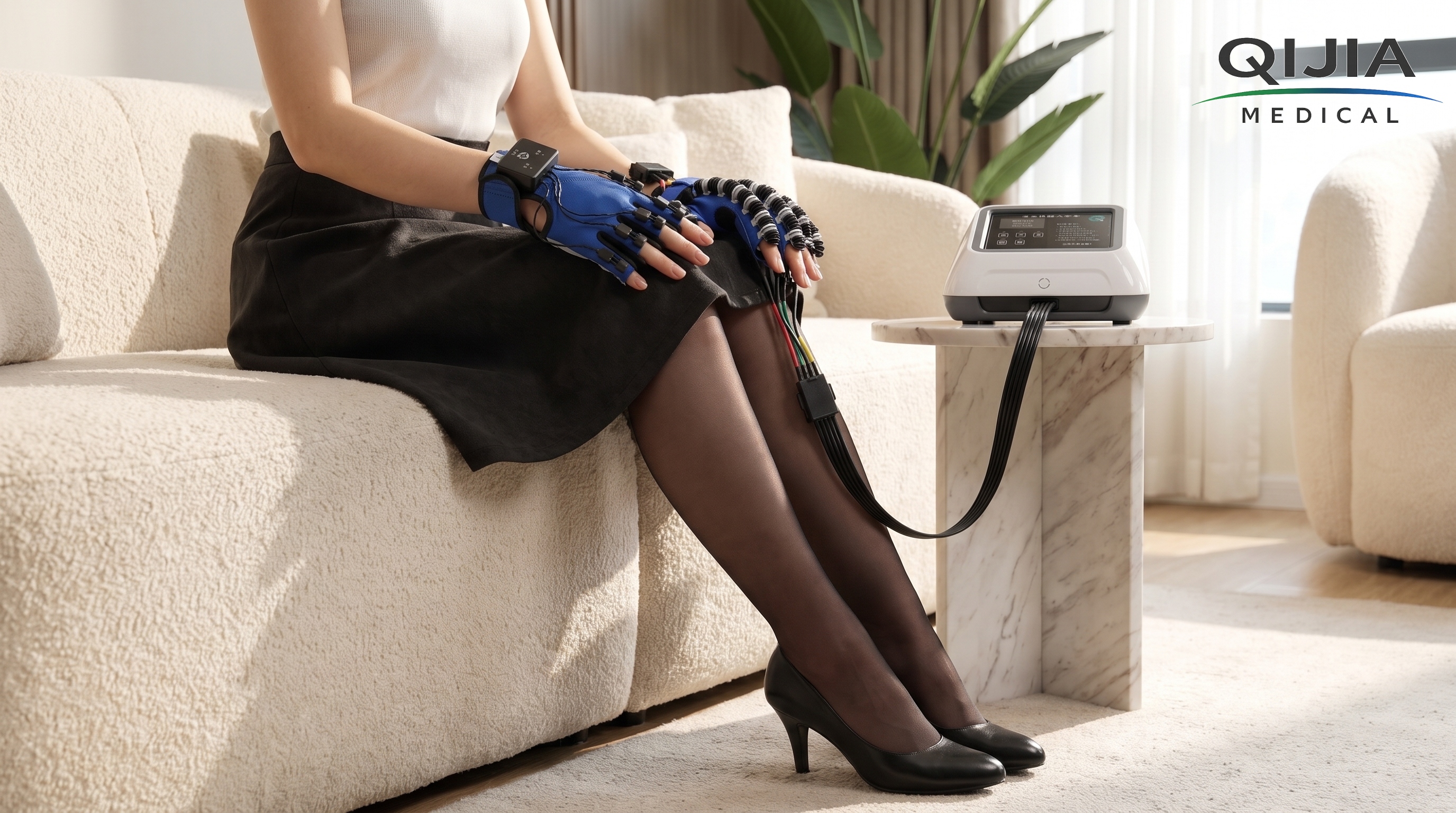
Frequently Asked Questions (FAQ)
1. What is hand rehabilitation equipment used for in hospitals?
Hand rehabilitation equipment can support selected exercises designed to address hand and finger movement limitations. Its role depends on the device's intended use and the patient's clinical needs. It is generally considered as one component of a wider rehabilitation plan rather than a standalone treatment.
2. Which patients may be considered for hand rehabilitation equipment?
Depending on clinical assessment and the device's intended use, selected patients with neurological conditions, hand or upper-limb injuries, or postoperative movement limitations may be considered. Not every patient is suitable, and professional assessment is essential before use.
3. Can a hand rehabilitation glove replace a therapist?
No. A rehabilitation glove does not replace clinical assessment, therapist-led care, or functional training. Healthcare professionals should determine whether the device is appropriate, configure training according to the treatment plan, and monitor the patient's response.
4. What adjustable settings are available on the QIJIA MEDICAL Smart Hand Rehabilitation Glove series?
The product series offers adjustable training levels from 1 to 9 and a training duration range of 5 to 30 minutes. Exact features and operation should be confirmed for the selected model using its product specifications and instructions.
5. What is the difference between the DJ10, DJ20, and DJ30 models?
The series includes DJ10, DJ20, and DJ30 options, with mirror-glove functionality identified for the DJ30 model. Hospitals and distributors should consult QIJIA MEDICAL for a model-by-model comparison and confirmation of the features required for their intended application.
6. Can the device be used for patients recovering from hand surgery?
Suitability depends on the type of surgery, tissue healing, movement restrictions, and the treating clinician's instructions. A device should not be used for postoperative exercise unless the proposed movements are appropriate for the patient's current stage of recovery.
7. What should hospitals consider before purchasing hand rehabilitation equipment?
Key considerations include intended use, patient suitability, operating instructions, staff training, cleaning and maintenance, technical support, warranty terms, and relevant regulatory documentation. Hospitals should also confirm that the equipment's functions match their rehabilitation requirements.
8. Does QIJIA MEDICAL support OEM/ODM cooperation?
QIJIA MEDICAL welcomes business inquiries regarding OEM/ODM cooperation. Healthcare organizations and distributors can contact the company to discuss project requirements, product options, customization possibilities, and applicable commercial terms.
9. How can I request more information about QIJIA MEDICAL hand rehabilitation equipment?
Visit the product page or use the contact page to inquire about specifications, model options, and cooperation opportunities.