







The Role of Airway Clearance in Pulmonary Rehabilitation
Pulmonary rehabilitation is an important part of respiratory care for people living with chronic lung conditions and persistent breathing difficulties. Through individualized exercise, breathing techniques, education, and clinical support, pulmonary rehabilitation aims to improve exercise capacity, reduce breathlessness, and help patients manage their daily activities more effectively.
However, one aspect of respiratory care deserves particular attention: airway clearance. For patients who experience excessive mucus production or difficulty clearing respiratory secretions, retained mucus can contribute to airway obstruction, persistent coughing, and recurrent respiratory problems. When these issues are not adequately managed, they may interfere with rehabilitation activities and make daily respiratory care more challenging.
Understanding the relationship between airway clearance and pulmonary rehabilitation helps healthcare professionals develop more comprehensive treatment plans. It also highlights the potential role of appropriate respiratory care equipment, including High-Frequency Chest Wall Oscillation (HFCWO) systems, for selected patients who need additional support with secretion mobilization.
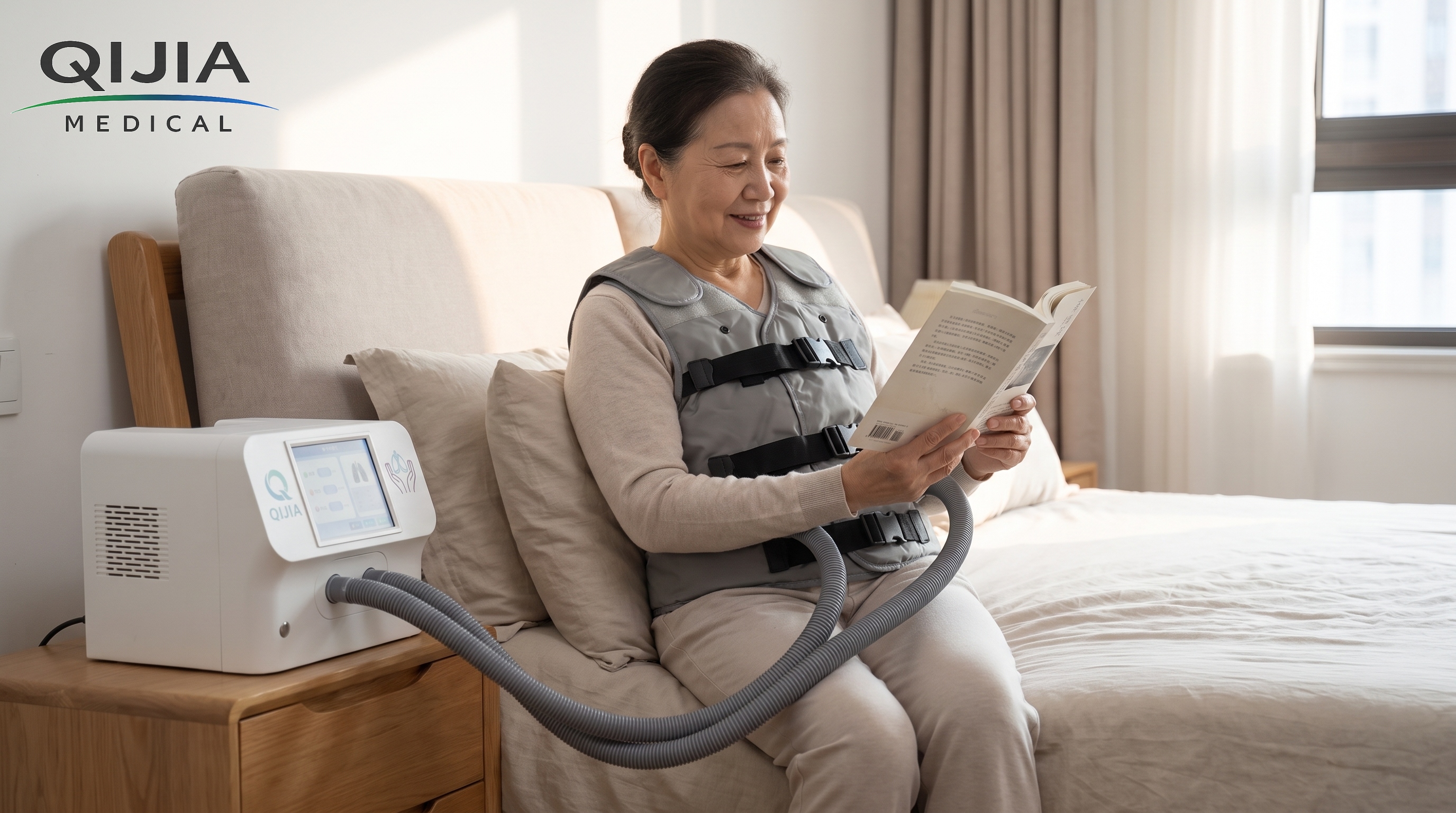
1. What Is Pulmonary Rehabilitation?
Pulmonary rehabilitation is a structured, individualized intervention designed for people with chronic respiratory disease who experience symptoms or limitations in their daily lives. It commonly combines exercise training, education, behavioral support, and strategies for managing respiratory symptoms.
Depending on the patient's needs, a rehabilitation program may include:
Individualized aerobic and strength training.
Breathing techniques and strategies for managing breathlessness.
Education about respiratory conditions and symptom monitoring.
Guidance on physical activity and daily self-management.
Assessment and management of airway secretions when clinically indicated.
These components address different aspects of respiratory health. Exercise training can improve physical capacity, while breathing strategies can help patients manage breathlessness. Airway clearance techniques serve a different purpose: they help remove respiratory secretions when mucus retention is a clinically relevant problem.
Not every participant in pulmonary rehabilitation needs an airway clearance device. The appropriate approach depends on the patient's diagnosis, secretion burden, cough effectiveness, functional ability, and response to existing treatment.
2. Why Is Airway Clearance Important in Respiratory Rehabilitation?
The respiratory system relies on natural protective mechanisms to keep the airways clear. Mucus traps inhaled particles, cilia transport secretions toward the throat, and an effective cough helps remove accumulated material.
In some respiratory conditions, these mechanisms become less effective. Patients may produce excessive mucus, have difficulty moving secretions, or struggle to expel mucus because of reduced cough strength or impaired respiratory function.
When secretions accumulate, they may obstruct parts of the airway and interfere with airflow. In susceptible patients, persistent mucus retention can contribute to respiratory symptoms, recurrent exacerbations, and complications such as atelectasis or respiratory infection.
These problems can also create practical barriers during rehabilitation. A patient who is frequently troubled by coughing, chest congestion, or difficulty clearing mucus may find it harder to participate comfortably in exercise sessions or maintain a consistent daily activity routine.
For this reason, airway clearance should be considered when assessing the broader respiratory needs of patients in pulmonary rehabilitation. Its purpose is not to replace exercise training, but to address secretion-related problems that may require additional management.
3. What Happens When Respiratory Secretions Are Not Cleared Effectively?
3.1 Persistent Mucus Retention and Airway Obstruction
When mucus becomes difficult to move, secretions can remain in the respiratory tract for longer than normal. Depending on their quantity and location, they may narrow or obstruct airways and make breathing less efficient.
Patients may experience a persistent productive cough, chest congestion, or difficulty bringing up mucus. These symptoms can be particularly burdensome for individuals with chronic conditions that already affect airflow or normal mucus transport.
Persistent secretion retention deserves clinical attention because it may indicate that the patient's current airway clearance strategy needs reassessment.
3.2 Recurrent Respiratory Exacerbations
For some patients, particularly those with bronchiectasis or other chronic suppurative airway conditions, inadequate secretion clearance may contribute to an ongoing cycle of mucus retention, airway inflammation, and respiratory exacerbations.
Exacerbations can lead to increased coughing, changes in sputum, worsening breathlessness, and reduced physical activity. Some episodes require additional medical treatment and can disrupt a patient's established rehabilitation routine.
Although airway clearance is an important component of management for selected patients, it does not eliminate all exacerbation risks. Effective care may also require prescribed medication, clinical monitoring, infection management, and other interventions appropriate to the underlying condition.
3.3 Reduced Exercise Tolerance and Daily Function
Pulmonary rehabilitation aims to help patients improve their ability to perform physical activities. However, persistent respiratory symptoms may make walking, climbing stairs, household activities, and structured exercise more difficult.
Breathlessness, fatigue, coughing, and secretion-related discomfort can all influence how much activity a patient can comfortably undertake. These symptoms have different causes and should not automatically be attributed to mucus retention alone.
When secretion management is an identified problem, addressing it may help patients participate more effectively in their broader respiratory care plan. The expected benefit depends on the individual and should be evaluated through clinical follow-up.
4. Which Patients in Pulmonary Rehabilitation May Need Airway Clearance Support?
Airway clearance is particularly relevant when a patient has difficulty mobilizing or expelling respiratory secretions. The following groups may warrant an individualized assessment.
Patients with Bronchiectasis
Bronchiectasis involves abnormal and permanent widening of the airways. Many affected patients experience chronic productive coughing and recurrent respiratory infections. Because mucus clearance can be impaired, airway clearance techniques are an important part of management for many patients with this condition.
Healthcare professionals may select and adjust techniques according to symptom severity, secretion burden, patient preference, and treatment effectiveness.
Selected Patients with COPD and Chronic Secretion Retention
Chronic obstructive pulmonary disease (COPD) can cause persistent airflow limitation, breathlessness, and reduced exercise capacity. Some patients also experience chronic mucus production and difficulty clearing secretions.
Airway clearance is not routinely required for every person with COPD. However, when symptomatic secretion retention is present, clinicians may consider appropriate techniques as part of an individualized management plan.
Patients with Cystic Fibrosis
Cystic fibrosis can cause thick airway secretions and impaired mucus clearance, increasing the burden of ongoing respiratory care. Airway clearance is an important component of management, but the technique should be selected by a specialist team based on the patient's needs and current clinical guidance.
Different airway clearance approaches are not equally suitable for every patient. HFCWO should not be presented as a universal first choice for cystic fibrosis; current guidance may favor other techniques, with HFCWO reserved for exceptional circumstances in certain healthcare systems.
Patients with Reduced Cough Effectiveness
Some people with neuromuscular conditions or respiratory muscle weakness have difficulty producing an effective cough. In these cases, mobilizing secretions alone may not be sufficient because the patient may also struggle to expel the mucus that has been moved into larger airways.
These patients may need specific cough augmentation strategies, including mechanical insufflation-exsufflation when indicated. An HFCWO system and a cough assist device perform different functions and should not be considered interchangeable.
5. How Does Airway Clearance Fit into a Pulmonary Rehabilitation Program?
Airway clearance works best when it is considered within the patient's overall respiratory care plan rather than as an isolated treatment. The following elements may be combined when appropriate.
Individualized Exercise Training
Exercise training is a central component of pulmonary rehabilitation. Depending on the patient's abilities, the program may include walking, cycling, strength exercises, or other supervised physical activities.
Exercise can improve physical capacity and help patients manage everyday activities. However, it should not be assumed to provide sufficient secretion clearance for patients who have significant mucus retention or an ineffective cough.
Breathing Techniques and Effective Coughing
Respiratory physiotherapists may teach patients breathing control, thoracic expansion exercises, huffing, or other techniques appropriate to their condition. These approaches can help patients manage breathing symptoms and move secretions toward the larger airways.
Patients should receive guidance on how to perform these techniques correctly. The choice of technique depends on their respiratory function, clinical condition, and ability to participate.
Hydration and Prescribed Respiratory Treatments
Maintaining appropriate hydration and using prescribed medications as directed may form part of secretion management for selected patients. Depending on the underlying condition, treatment may also involve inhaled medications or other interventions recommended by the clinical team.
Patients should not independently change prescribed medication or fluid intake, particularly when they have conditions that require fluid restrictions or other specific precautions.
Mechanical Airway Clearance When Indicated
Some patients require additional assistance because conventional techniques are ineffective, poorly tolerated, or difficult to perform independently. In selected cases, a mechanical airway clearance system may be considered as part of the overall treatment plan.
The decision should be based on the patient's clinical needs, the expected benefits and limitations of the technique, and the availability of appropriate training and follow-up.
6. How Does an HFCWO Airway Clearance System Work?
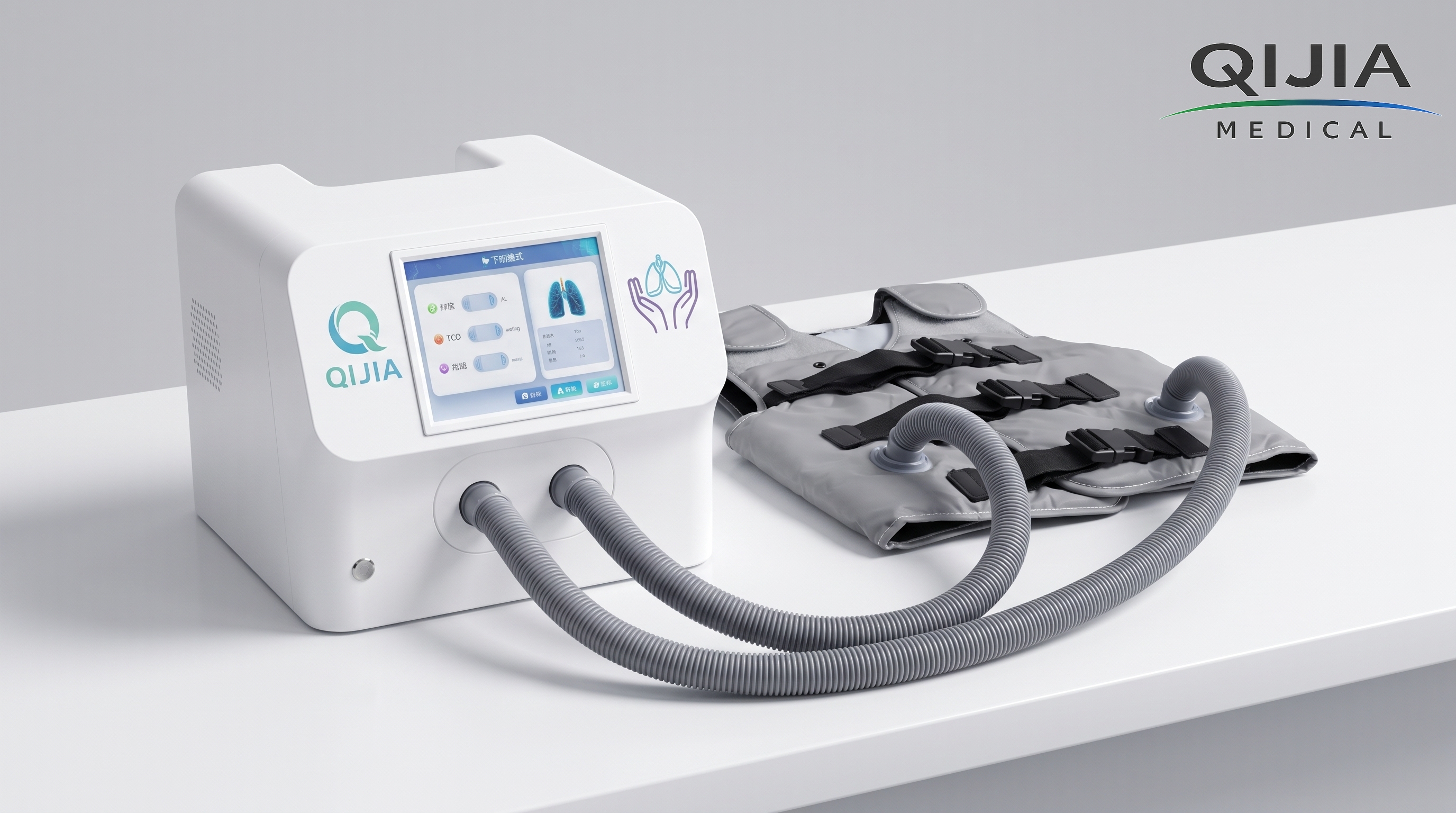
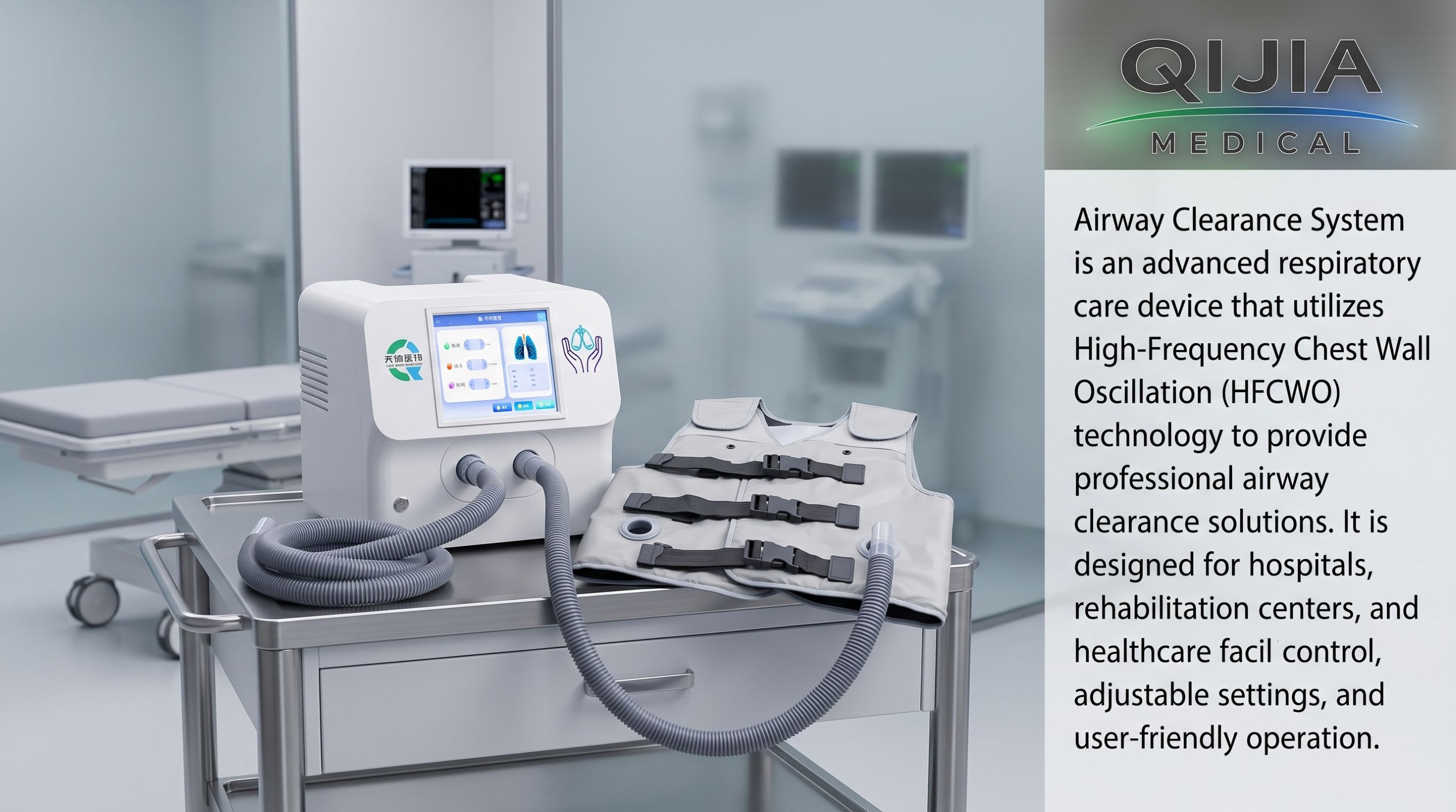
High-Frequency Chest Wall Oscillation (HFCWO) is a mechanical airway clearance technique that uses an inflatable pneumatic vest connected to a control unit. The system rapidly inflates and deflates the vest to generate repeated chest wall oscillations.
These oscillations are intended to help mobilize airway secretions, making them easier for the patient to clear through an effective cough or another appropriate clearance technique.
HFCWO is different from oxygen therapy. It does not supply supplemental oxygen; its primary function is to deliver mechanical chest wall oscillations to assist secretion mobilization.
For appropriately selected patients in pulmonary rehabilitation, HFCWO may provide an additional airway clearance option when persistent mucus retention is a meaningful clinical concern. It may be particularly worth discussing when a patient has difficulty managing secretions with their current approach.
However, the device does not independently guarantee complete mucus removal. Patients may still need instruction in effective coughing or huffing, and those with weak cough function may require other forms of assistance.
HFCWO is also not suitable for every rehabilitation participant. Clinical professionals should assess the patient's diagnosis, treatment goals, ability to tolerate the vest, relevant precautions, and response to therapy before recommending its use.
Explore the QIJIA MEDICAL Airway Clearance System to learn more about pneumatic vest-based HFCWO technology and its role in respiratory care.
7. What Should Healthcare Providers Consider When Choosing an Airway Clearance System?
For pulmonary rehabilitation departments, hospitals, respiratory therapy centers, and medical equipment distributors, device selection should begin with the needs of the intended patient population.
Clinical Suitability
Healthcare professionals should determine whether the main challenge is secretion mobilization, ineffective coughing, breathlessness, or a combination of problems. This distinction helps guide appropriate device selection and prevents one technology from being used as a substitute for a different intervention.
Adjustable Treatment Parameters
Depending on the device model, relevant considerations may include adjustable treatment intensity and frequency, available treatment programs, vest sizing, connection design, and ease of operating the control unit.
Clinical teams should follow the manufacturer's instructions and use settings appropriate to the individual patient rather than assuming that a single configuration is suitable for everyone.
Training, Maintenance, and Technical Support
Reliable equipment use also depends on staff training, clear operating instructions, cleaning procedures, maintenance requirements, and access to technical support. These factors are important for facilities integrating respiratory equipment into established rehabilitation workflows.
Manufacturing and Distribution Cooperation
Medical equipment distributors and healthcare buyers may also evaluate the manufacturer's production capabilities, quality management processes, technical documentation, and options for OEM/ODM cooperation.
QIJIA MEDICAL develops and supplies medical equipment solutions for international healthcare markets. To learn more about our company and manufacturing cooperation opportunities, visit our About Us page for OEM/ODM information.
For product specifications, technical inquiries, or distribution opportunities related to the Airway Clearance System, please contact QIJIA MEDICAL.
8. Building a More Complete Approach to Pulmonary Rehabilitation
Pulmonary rehabilitation involves more than improving exercise capacity. For patients with chronic secretion retention, effective airway clearance can be another important consideration in their broader respiratory care.
Persistent mucus retention may contribute to airway obstruction, respiratory symptoms, and exacerbations in susceptible patients. These problems can add to the burden of chronic respiratory disease and interfere with everyday activities.
By assessing secretion clearance alongside exercise tolerance, breathing patterns, cough effectiveness, and overall health, healthcare professionals can develop more individualized rehabilitation plans.
Mechanical HFCWO technology offers one possible approach to secretion mobilization for selected patients. When used appropriately and combined with the necessary follow-up techniques, it may complement other components of respiratory care. Its role should always be determined by clinical assessment, current evidence, and the needs of the individual patient.
For healthcare organizations and medical equipment distributors, understanding these clinical considerations is an important step toward selecting suitable respiratory care solutions and supporting more comprehensive pulmonary rehabilitation services.
Frequently Asked Questions (FAQ)
1. What is the role of airway clearance in pulmonary rehabilitation?
Airway clearance helps patients who have difficulty mobilizing or removing respiratory secretions. When mucus retention is a significant problem, appropriate techniques may complement exercise training, breathing strategies, education, and other components of pulmonary rehabilitation.
2. Can retained mucus make respiratory symptoms worse?
Yes. In susceptible patients, retained secretions can contribute to airway obstruction, persistent coughing, impaired ventilation, and respiratory exacerbations. The clinical impact depends on the underlying condition and the severity of secretion retention.
3. Does every patient in pulmonary rehabilitation need an airway clearance device?
No. Many rehabilitation participants do not have significant secretion retention and may not require additional airway clearance treatment. Device use should be based on an individualized clinical assessment.
4. What is the difference between HFCWO and a cough assist device?
HFCWO uses rapid chest wall oscillations to help mobilize secretions. A mechanical cough assist device uses positive and negative pressure to help generate cough-like airflow. Patients who have difficulty clearing mucus may need one technique or a combination of approaches, depending on their clinical condition.
5. Can an HFCWO system replace pulmonary rehabilitation exercises?
No. HFCWO addresses secretion mobilization, while exercise training supports physical capacity and functional ability. These interventions have different purposes, and an HFCWO system should not replace the other elements of a prescribed rehabilitation program.
6. Is HFCWO appropriate for patients with COPD?
It may be considered for selected patients with COPD who have clinically significant secretion retention. It is not routinely required for all patients with COPD. Healthcare professionals should assess the individual's symptoms, treatment response, and suitability before recommending HFCWO.
7. How can a rehabilitation facility select an appropriate airway clearance system?
Facilities should consider the intended patient population, clinical objectives, treatment parameter adjustments, patient tolerance, training requirements, maintenance, and technical support. The selected technology should match the clinical need and the facility's workflow.
8. Where can medical distributors learn more about QIJIA MEDICAL's Airway Clearance System?
Visit the Airway Clearance System product page for product information, explore QIJIA MEDICAL's OEM/ODM capabilities, or contact our team to discuss technical information and potential business cooperation.