







Cough Assist Device for Elderly and Bedridden Patients: Addressing Weak Cough and Airway Secretion Risks
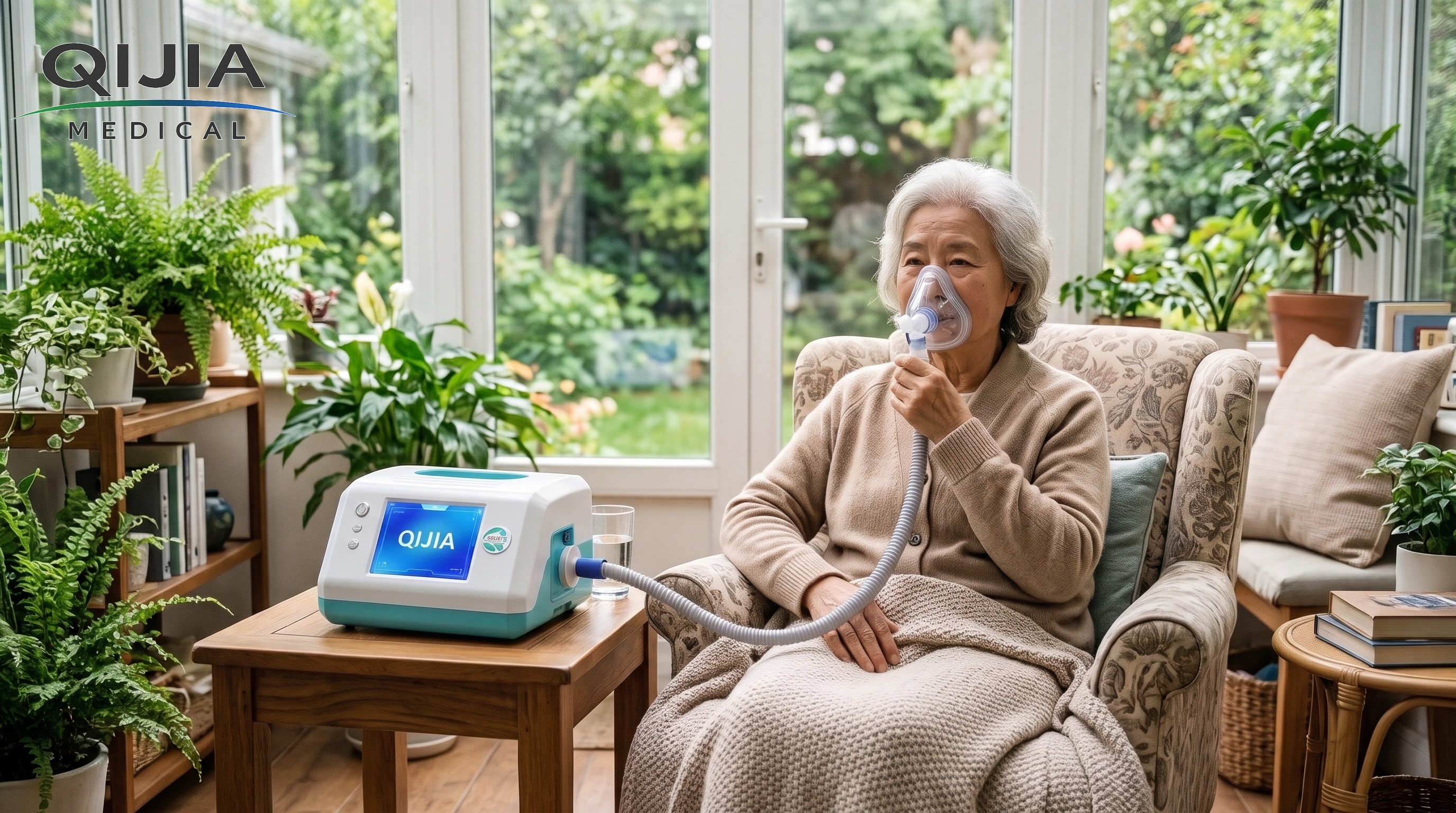
As people grow older or experience prolonged periods of bed rest, maintaining normal respiratory function can become increasingly challenging. Reduced physical activity, weakened respiratory muscles, neurological conditions, and chronic diseases may affect the body's ability to clear mucus from the airways. For some patients, even a simple cough can become physically demanding.
Although respiratory infections and breathing difficulties receive considerable attention in elderly care, ineffective coughing is another important issue that should not be overlooked. When patients cannot generate sufficient airflow to remove airway secretions, mucus may accumulate, increasing the risk of airway obstruction and complicating respiratory management.
This challenge is particularly relevant for elderly individuals with neurological disorders, patients recovering from severe illness, people with neuromuscular weakness, and those requiring long-term nursing care. A Cough Assist Device, also known as a mechanical insufflation-exsufflation (MI-E) device, can provide mechanical cough assistance for appropriately selected patients.
1. Why Aging and Long-Term Bed Rest Can Affect Airway Clearance
The respiratory system relies on several coordinated mechanisms to keep the airways clear. Normal breathing, the mucociliary clearance system, and an effective cough work together to remove mucus, particles, and unwanted material from the respiratory tract.
However, these protective mechanisms may become less effective in certain elderly and bedridden patients.
Age-Related Changes in Respiratory Muscle Strength
With aging, respiratory muscle strength and physical reserve may decline. In some older adults, this can reduce the ability to take a sufficiently deep breath or produce a strong expiratory effort.
An effective cough requires adequate air intake followed by a rapid and forceful outward airflow. When respiratory muscles become significantly weakened, patients may struggle to generate the airflow necessary to clear thick or excessive secretions.
This problem can become more pronounced when aging is accompanied by neurological disease, muscle weakness, or chronic respiratory conditions.
Prolonged Bed Rest and Reduced Physical Activity
Patients who remain in bed for extended periods may experience reduced mobility, decreased physical conditioning, and changes in normal respiratory patterns. Limited movement can also make routine secretion management more challenging, particularly when the patient cannot reposition independently or perform effective coughing exercises.
Bed rest alone does not automatically create an indication for mechanical cough assistance. However, when immobility occurs alongside respiratory muscle weakness or an ineffective cough, the risk of retained secretions becomes an important clinical concern.
Neurological Disorders and Impaired Cough Coordination
Neurological conditions such as stroke, Parkinson's disease, and other disorders affecting motor control may interfere with the coordination of breathing, swallowing, and coughing.
Some patients develop weak voluntary coughs or reduced airway protection. Others experience swallowing difficulties that increase the possibility of aspiration, in which food, liquid, or saliva enters the respiratory tract.
When swallowing impairment and ineffective coughing occur together, respiratory secretion management can become particularly complicated. These patients may require coordinated assessment by respiratory and swallowing specialists.
2. The Hidden Dangers of Ineffective Coughing in Elderly Patients
A weak cough is not simply an inconvenience. It can interfere with one of the body's most important natural airway protection mechanisms.
Mucus Retention and Airway Obstruction
Respiratory mucus helps trap particles and protect the airway. Under normal conditions, mucus is transported toward the throat through the mucociliary clearance system and can be removed through coughing or swallowing.
When cough strength is insufficient, accumulated secretions may become increasingly difficult to remove. In more serious situations, mucus plugging can partially or completely obstruct an airway, potentially interfering with ventilation in the affected lung region.
Increased Respiratory Challenges During Infection
Respiratory infections may increase mucus production and create additional demands on the respiratory system. For patients with normal cough function, clearing these secretions may remain manageable.
However, elderly patients with weak respiratory muscles or significant neurological impairment may struggle to remove the increased secretion load. This can complicate recovery and increase the need for professional respiratory care.
Atelectasis and Reduced Lung Ventilation
Atelectasis refers to the partial or complete collapse of a portion of the lung. Airway obstruction caused by retained secretions can contribute to this condition.
For patients with limited respiratory reserve, additional problems affecting lung ventilation may have a greater impact on their overall condition. Recognizing ineffective coughing and addressing secretion management early are therefore important considerations in long-term respiratory care.
A Greater Burden on Family Members and Caregivers
For families caring for elderly or bedridden relatives, persistent coughing difficulties can create considerable daily challenges. Patients may be unable to clear secretions independently, while caregivers may lack the experience or equipment needed to assist with airway clearance.
Repeated secretion management difficulties can also increase the workload for nursing staff and home healthcare providers. Appropriate respiratory assessment and access to suitable airway clearance techniques can help make care more organized.
3. Which Elderly and Long-Term Care Patients May Need Cough Assistance?
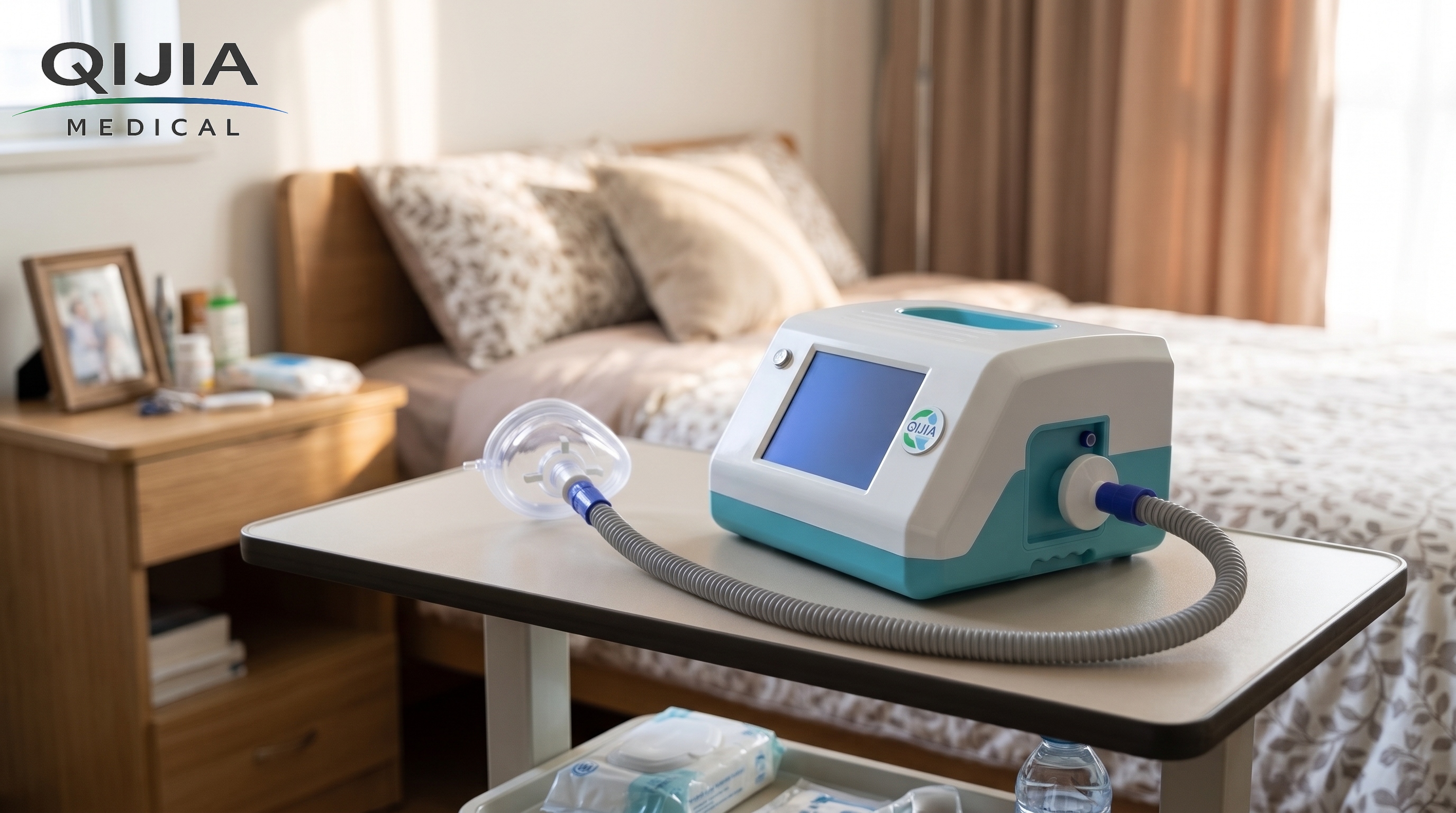
Not every older adult with a respiratory condition requires a Cough Assist Device. The primary consideration is whether the patient has an ineffective cough and difficulty clearing respiratory secretions.
Several patient groups deserve particular attention.
Elderly Patients with Neuromuscular Weakness
Some older adults develop neuromuscular conditions that affect the muscles responsible for breathing and coughing. Examples include amyotrophic lateral sclerosis (ALS), muscular dystrophy, and other progressive neurological or muscular disorders.
When respiratory muscle weakness reduces cough effectiveness, mechanical insufflation-exsufflation may be considered as part of an individualized airway clearance plan.
Stroke Survivors with Reduced Cough Effectiveness
Stroke can affect muscle coordination, swallowing function, and neurological control of coughing. Certain patients experience difficulty clearing respiratory secretions, especially when neurological impairment is accompanied by reduced respiratory muscle strength.
Respiratory assessment is important to determine whether mechanical cough assistance is appropriate or whether other airway clearance techniques are more suitable.
Patients with Parkinson's Disease
Some individuals with Parkinson's disease experience impaired swallowing, reduced cough strength, and difficulties coordinating respiratory movements. These problems may increase the challenges associated with secretion management.
For patients with objectively impaired cough effectiveness, a respiratory specialist may evaluate mechanical cough assistance alongside other supportive respiratory interventions.
Patients with Advanced Chronic Respiratory Conditions
Some patients with advanced respiratory diseases may also experience respiratory muscle weakness and difficulty clearing secretions. In selected cases, particularly when symptomatic secretion retention accompanies an ineffective cough, additional airway clearance support may be considered.
It is important to distinguish between mucus production and ineffective coughing. A patient who produces sputum but can clear it independently may not need mechanical cough assistance. Clinical evaluation should guide the selection of treatment.
Long-Term Bedridden and Nursing Care Patients
Patients who remain bedridden because of severe illness, neurological injury, or physical disability may have several overlapping risk factors. These can include reduced mobility, weak respiratory muscles, impaired swallowing, and limited ability to perform independent airway clearance.
When an ineffective cough is identified, a cough assist device may become one component of a broader respiratory care strategy.
4. How Does a Cough Assist Device Help Patients with Weak Cough?
A Cough Assist Device uses mechanical insufflation-exsufflation (MI-E) technology to simulate important phases of a natural cough.
Instead of depending entirely on the patient's own respiratory muscles, the device delivers positive pressure during inspiration and then rapidly switches to negative pressure during expiration. This pressure change generates an assisted airflow that helps move respiratory secretions from the larger airways toward the mouth, where they can be expelled or removed with appropriate assistance.
Step 1: Positive Pressure Inspiration
The device delivers air into the patient's lungs through a suitable interface, such as a face mask or mouthpiece. This helps increase the amount of air available before the assisted cough.
Step 2: Negative Pressure Expiration
The device rapidly changes to negative pressure, assisting the movement of air out of the lungs. The resulting expiratory airflow helps mobilize mucus and other secretions toward the upper airway.
Step 3: Assisted Secretion Clearance
After the assisted cough cycle, the patient may be able to expel the mobilized secretions through the mouth. If necessary, trained healthcare professionals may use additional techniques, including suction, according to the patient's condition.
Repeated treatment cycles can be performed according to an individualized clinical plan. Pressure levels, timing, interface selection, and treatment frequency should be determined by qualified healthcare professionals.
For more information about this respiratory care solution, visit the QIJIA MEDICAL Cough Assist Device product page.
5. Practical Applications in Hospitals, Nursing Homes, and Home Healthcare
As the demand for elderly care and long-term respiratory support continues to grow, healthcare providers need appropriate solutions for patients who cannot effectively clear airway secretions.
Hospital Respiratory Departments
Hospitals may encounter elderly patients with weak coughs following severe illness, neurological injury, or progressive neuromuscular conditions.
Respiratory therapists and other qualified professionals can assess cough effectiveness, evaluate secretion retention, and determine whether mechanical cough assistance should be included in the patient's treatment plan.
Rehabilitation Hospitals and Neurological Rehabilitation Centers
Patients recovering from stroke or living with neurological disorders may require ongoing assessment of respiratory and swallowing function.
For patients with reduced cough effectiveness, cough augmentation may complement other rehabilitation and respiratory management techniques. It can be particularly relevant when independent secretion clearance becomes difficult.
Nursing Homes and Long-Term Care Facilities
Long-term care facilities may support elderly residents with complex medical conditions, limited mobility, and ongoing respiratory care needs.
A Cough Assist Device may be considered for residents who have a clinically identified ineffective cough and an appropriate indication for mechanical cough assistance.
Its use requires suitable equipment, trained personnel, clear operating procedures, and coordination with the patient's healthcare team.
Home Healthcare and Family Caregiving
Some elderly and chronically ill patients receive respiratory care at home. For patients prescribed mechanical cough assistance, a cough assist device can support their airway clearance routine outside the hospital.
Caregivers should receive appropriate training on equipment operation, patient positioning, interface use, and recognition of treatment intolerance. A prescribed treatment plan should be followed rather than independently changing pressure settings or treatment frequency.
6. Cough Assist Device vs. Traditional Airway Clearance Methods
Different airway clearance techniques address different stages of the secretion management process. Understanding these differences helps healthcare providers select appropriate equipment for individual patients.
Manual assisted coughing: A trained caregiver or healthcare professional applies coordinated external assistance to help increase expiratory airflow during coughing.
Chest physiotherapy: Techniques such as positioning, percussion, and vibration may help mobilize secretions, depending on the patient's condition.
High-Frequency Chest Wall Oscillation (HFCWO): An inflatable vest delivers rapid chest wall compressions to help mobilize mucus from the peripheral airways.
Cough Assist Device: Mechanical insufflation-exsufflation helps generate airflow to support the removal of secretions from the central airways.
Airway suction: Suction equipment removes accessible secretions when patients cannot adequately clear them themselves.
These methods are not interchangeable. For example, an HFCWO vest primarily helps mobilize mucus, while a cough assist device helps generate expiratory airflow to move secretions toward the upper airway. Some patients may require a combination of techniques.
7. Important Safety Considerations Before Using a Cough Assist Device
Although mechanical cough assistance can be useful for appropriately selected patients, it is not suitable for everyone. Elderly patients often have multiple underlying conditions that require careful assessment before treatment.
Individual Respiratory Assessment
Healthcare professionals should evaluate respiratory muscle strength, cough effectiveness, secretion burden, oxygenation, swallowing function, and the patient's ability to tolerate positive and negative pressure changes.
Underlying Medical Conditions
Conditions such as untreated pneumothorax, significant bullous lung disease, recent chest surgery, certain cardiovascular problems, or increased intracranial pressure may require special precautions or make treatment unsuitable. A qualified clinician should review relevant contraindications and risks before use.
Swallowing Dysfunction and Aspiration Risk
A cough assist device does not prevent food, liquids, or saliva from entering the airway. Patients with swallowing difficulties may need a separate swallowing assessment and appropriate aspiration management.
Proper Training and Monitoring
Pressure settings and treatment protocols should be individualized. Patients and caregivers should not independently adjust the equipment without professional guidance.
Severe or rapidly worsening breathing difficulties require urgent medical assessment rather than relying on a cough assist device alone.
8. QIJIA MEDICAL: Respiratory Care Solutions for Healthcare Providers
Effective respiratory care requires more than identifying a patient's symptoms. It involves understanding the underlying cause of ineffective coughing, selecting appropriate equipment, and ensuring that treatment can be delivered correctly in the intended care environment.
QIJIA MEDICAL focuses on the development and manufacturing of medical equipment, including respiratory care and rehabilitation solutions.
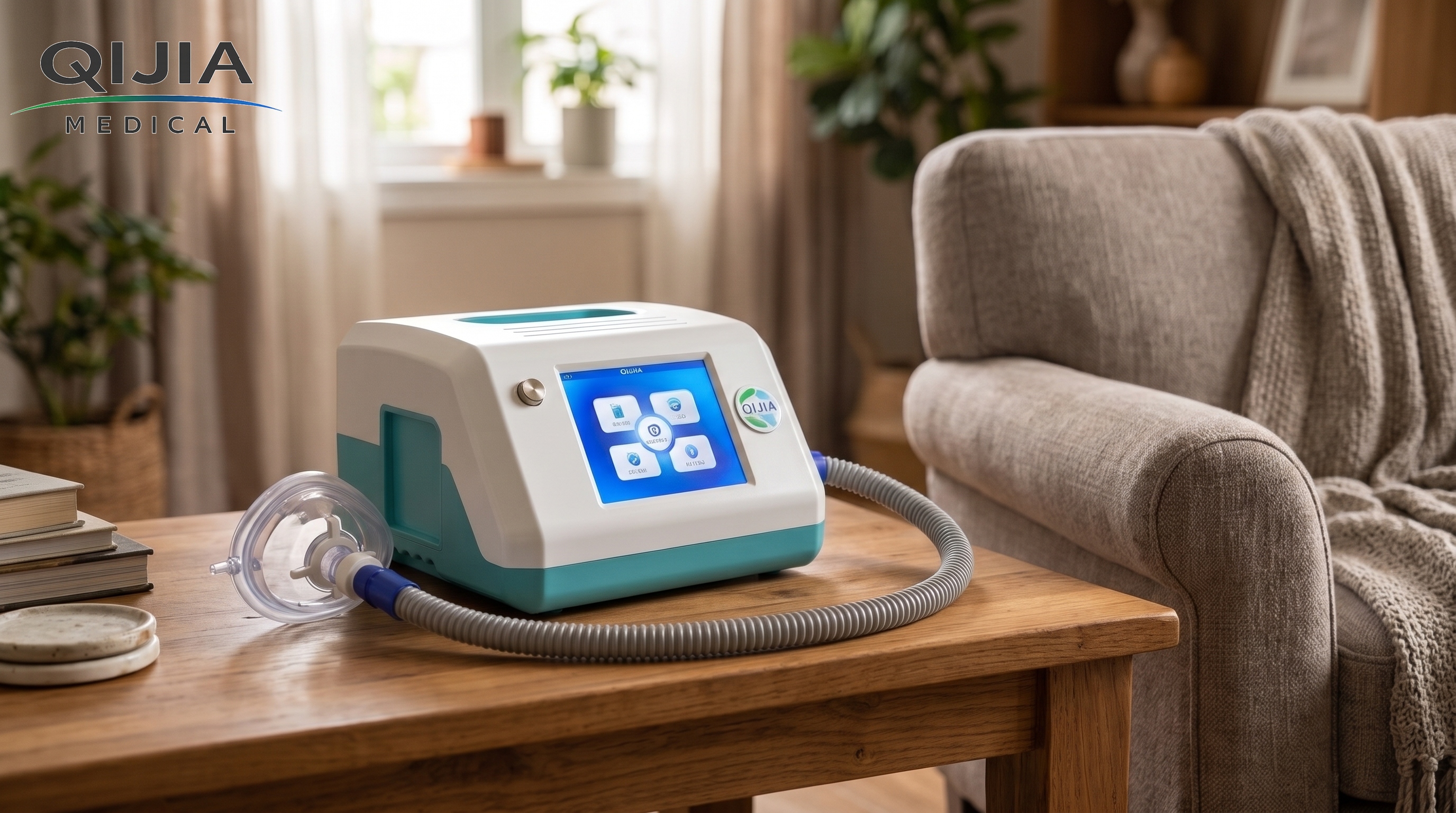
Our Cough Assist Device is designed to support mechanical cough assistance through adjustable treatment parameters, helping suitable patients with weak coughs and difficulty clearing respiratory secretions.
For hospitals, rehabilitation facilities, home healthcare providers, and medical equipment distributors, selecting appropriate respiratory equipment is an important part of building a comprehensive care portfolio.
QIJIA MEDICAL also welcomes international business inquiries regarding OEM/ODM cooperation, product customization, and distribution opportunities.
Learn more about QIJIA MEDICAL and our OEM/ODM manufacturing capabilities.
For product specifications, technical information, or business cooperation inquiries, please contact our team.
Frequently Asked Questions (FAQ)
1. Can a cough assist device help elderly patients?
Yes, it may help elderly patients who have an ineffective cough due to respiratory muscle weakness or neurological conditions. However, age alone is not an indication. A healthcare professional should assess the patient's cough effectiveness and overall medical condition.
2. Is a cough assist device suitable for bedridden patients?
Some bedridden patients may benefit from mechanical cough assistance, particularly when prolonged immobility is accompanied by respiratory muscle weakness and difficulty clearing secretions. Bed rest alone does not automatically indicate a need for this device.
3. Can patients with COPD use a cough assist device?
Some patients with COPD may experience weak cough and secretion retention, but mechanical insufflation-exsufflation is not routinely appropriate for every COPD patient. Severe airflow obstruction, bullous emphysema, and other clinical factors require careful assessment by a respiratory specialist.
4. Can a cough assist device help stroke patients?
It may be considered for selected stroke patients who have reduced cough effectiveness and difficulty clearing secretions. Swallowing impairment, upper-airway function, and respiratory muscle performance should be evaluated before treatment.
5. Does a cough assist device help prevent pneumonia?
A cough assist device supports airway secretion clearance in suitable patients, which is an important part of respiratory management. However, it cannot guarantee pneumonia prevention or eliminate infection risks. Aspiration, swallowing function, and other medical conditions must also be addressed.
6. Is a cough assist device the same as a chest percussion vest?
No. A cough assist device uses positive and negative pressure to simulate a cough and help move secretions toward the upper airway. A chest percussion or HFCWO vest uses rapid chest wall oscillations to help mobilize mucus. They have different functions and may sometimes be used together as part of an individualized airway clearance plan.
7. Can a cough assist device be used at home?
Yes. Selected patients may use a cough assist device at home when prescribed and configured by qualified healthcare professionals. Patients and caregivers should receive proper training and follow the prescribed treatment instructions.
8. Which healthcare facilities may need cough assist devices?
Potential users include hospital respiratory departments, neurology centers, rehabilitation hospitals, long-term care facilities, nursing homes, and home healthcare providers serving patients with ineffective cough and secretion clearance difficulties.
Conclusion
Respiratory health is an important but sometimes overlooked part of elderly care and long-term patient management. For individuals with weakened respiratory muscles, neurological impairment, or prolonged physical limitations, an ineffective cough can make it difficult to clear airway secretions and increase the complexity of respiratory care.
Recognizing weak cough early and selecting appropriate airway clearance techniques can help healthcare professionals provide more comprehensive respiratory support. For suitable patients, a Cough Assist Device offers mechanical assistance that can complement other secretion management strategies in hospitals, rehabilitation facilities, long-term care institutions, and home healthcare environments.
QIJIA MEDICAL is committed to providing medical equipment solutions for respiratory care and rehabilitation applications. Contact our team to explore our Cough Assist Device and discuss potential OEM/ODM or distribution cooperation.