







Rare Genetic Diseases and Respiratory Care: Why Effective Coughing Matters
Rare genetic diseases are often associated with complex symptoms, delayed diagnosis, and long-term medical care. While many patients and families initially focus on mobility, muscle strength, development, and daily independence, respiratory health deserves equal attention.
Some inherited disorders affect the muscles responsible for breathing and coughing. Others interfere with the communication between nerves and muscles or disrupt cellular processes that support normal muscle function. Regardless of the underlying mechanism, certain patients may gradually lose the ability to generate an effective cough.
This creates a significant but sometimes overlooked respiratory risk. When mucus and airway secretions cannot be cleared effectively, patients may experience recurrent chest infections, mucus plugging, atelectasis, and episodes of respiratory deterioration.
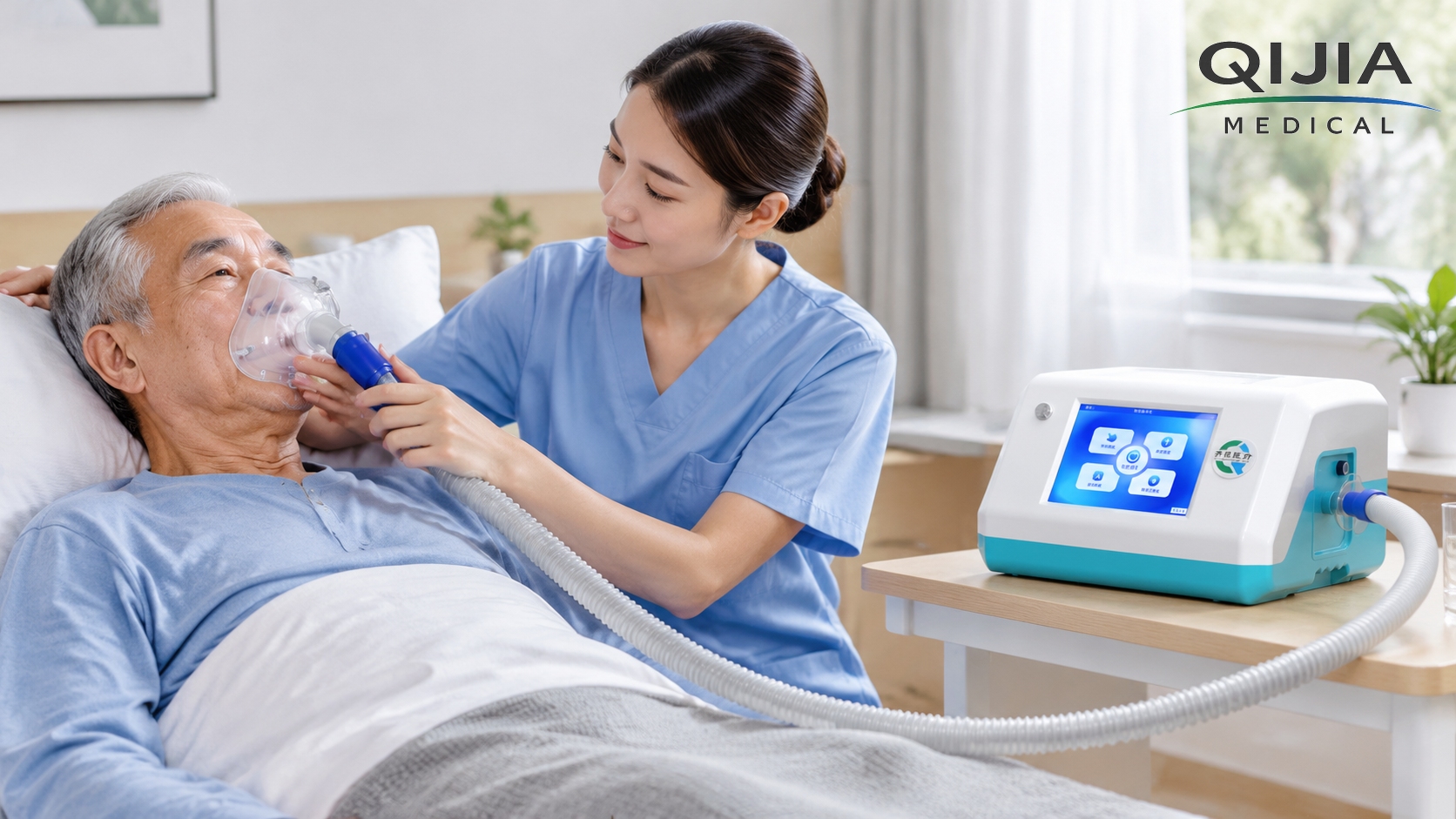
For selected patients with impaired cough function, a Cough Assist Device, also known as a Mechanical Insufflation-Exsufflation (MI-E) device, can provide mechanical assistance with coughing and support airway secretion clearance as part of an individualized respiratory care plan.
1. Why Rare Genetic Diseases Can Create Hidden Respiratory Risks
Genetic disorders can affect the human body in different ways. Some interfere with the development of muscle fibers, some affect the proteins responsible for muscle contraction, and others disrupt nerve-to-muscle communication or cellular energy production.
When these processes affect respiratory muscles, the consequences may extend beyond reduced physical strength.
Normal coughing requires several coordinated actions:
The respiratory muscles must generate sufficient inspiratory effort to fill the lungs.
The nervous system must coordinate the protective phases of the cough reflex.
The expiratory muscles must generate enough force to produce effective airflow.
The upper airway must remain sufficiently open and coordinated for secretions to move outward.
In certain inherited neuromuscular conditions, one or more of these functions may become impaired. A patient may still breathe independently but lack the strength or coordination needed to clear mucus effectively.
This distinction is especially important in rare diseases because respiratory weakness does not always progress at the same rate as visible limb weakness. In some conditions, respiratory complications may appear early or become noticeable during respiratory infections, even when everyday physical symptoms seem relatively stable.
2. Rare Genetic Conditions That May Affect Cough Strength and Airway Clearance
2.1 Congenital Myopathies: When Muscle Development Is Affected
Congenital myopathies are a group of inherited muscle disorders that are often present from birth or early childhood. They include several distinct conditions, such as nemaline myopathy, centronuclear myopathy, myotubular myopathy, and certain RYR1-related myopathies.
Although their genetic causes and clinical features differ, many congenital myopathies can involve muscle weakness, low muscle tone, delayed motor development, and, in some patients, respiratory muscle impairment.
Respiratory complications may develop because the diaphragm, intercostal muscles, and other muscles involved in breathing are unable to generate sufficient force. Weak expiratory muscles can also reduce cough effectiveness.
For some children, the problem becomes particularly noticeable during common respiratory infections. A healthy child may be able to cough out increased mucus during a cold, but a child with significant respiratory muscle weakness may struggle to clear the same amount of secretions.
This can contribute to mucus retention, prolonged respiratory symptoms, atelectasis, and recurrent chest infections.
Respiratory care for congenital myopathies therefore requires attention not only to breathing capacity but also to the patient's ability to clear airway secretions. Depending on the specific phenotype and clinical assessment, manually assisted coughing or mechanical insufflation-exsufflation may be considered.
2.2 Myotubular Myopathy: A Serious Respiratory Challenge in Early Life
Myotubular myopathy is a rare congenital myopathy, often associated with mutations in the MTM1 gene. The X-linked form can cause severe muscle weakness, particularly in affected boys.
Some infants with severe myotubular myopathy experience substantial respiratory muscle weakness from birth. They may require intensive respiratory support, prolonged ventilation, and ongoing airway management.
In these patients, the ability to clear airway secretions can be compromised by weak respiratory muscles and limited cough generation. Respiratory infections may place additional stress on an already vulnerable respiratory system.
Mechanical cough assistance may be considered as one component of an individualized airway clearance strategy when the patient has ineffective cough and the clinical team determines that MI-E is appropriate.
2.3 Pompe Disease: A Metabolic Disorder With Important Respiratory Consequences
Pompe disease is a rare inherited metabolic disorder caused by deficiency of the enzyme acid alpha-glucosidase (GAA). This leads to glycogen accumulation within cells and can progressively damage skeletal and respiratory muscles.
Although Pompe disease is often associated with muscle weakness, its respiratory impact deserves particular attention. The diaphragm may be significantly affected, resulting in reduced lung function, difficulty maintaining adequate ventilation, and impaired cough effectiveness.
In some patients, respiratory muscle weakness can be disproportionate to the degree of limb weakness. This means that respiratory impairment may not be accurately judged by observing a patient's ability to walk or perform everyday movements.
As expiratory muscle strength declines, the patient may become less capable of clearing mucus during respiratory infections. Retained secretions can contribute to airway obstruction and increase the burden of respiratory care.
For patients with Pompe disease who demonstrate ineffective cough, airway clearance techniques may include lung volume recruitment, manually assisted coughing, and mechanical insufflation-exsufflation when clinically indicated.
2.4 Congenital Muscular Dystrophy: Long-Term Respiratory Management From Childhood
Congenital muscular dystrophy refers to a group of inherited muscle disorders characterized by muscle weakness and other features that may become apparent at birth or during early childhood.
Different genetic subtypes can have very different clinical presentations. Some primarily affect skeletal muscle, while others may involve the brain, eyes, or additional organ systems.
Respiratory complications can arise when progressive muscle weakness affects the diaphragm and expiratory muscles. Reduced cough strength may make it difficult to clear secretions, especially during infections or periods of reduced mobility.
In patients with significant respiratory involvement, long-term management may require regular assessment of lung function, sleep-related breathing, cough effectiveness, and secretion clearance.
Mechanical cough assistance may be incorporated into the respiratory care plan when natural coughing is insufficient. The timing and frequency of treatment should be individualized according to the patient's condition and clinical needs.
2.5 Congenital Myasthenic Syndromes: When Nerve-to-Muscle Communication Is Impaired
Congenital myasthenic syndromes (CMS) are rare inherited disorders that affect the neuromuscular junction, where nerve signals communicate with muscle fibers.
Depending on the specific genetic subtype, patients may experience fluctuating muscle weakness, fatigue, drooping eyelids, swallowing difficulties, and respiratory muscle involvement.
Some forms can cause episodes of severe respiratory weakness or breathing difficulties, particularly during illness or other physiological stress.
When respiratory and bulbar muscles are affected, patients may have difficulty generating an effective cough and protecting their airway. Swallowing dysfunction can introduce an additional aspiration risk.
For selected patients with documented ineffective cough, assisted airway clearance may be considered. However, the underlying neuromuscular subtype, airway protection, and clinical stability must be carefully evaluated before choosing a mechanical cough assistance technique.
2.6 Mitochondrial Myopathies and Other Inherited Metabolic Disorders
Mitochondria play an essential role in producing the energy required by cells. Certain inherited mitochondrial disorders can affect muscles, nerves, and multiple organ systems.
When respiratory muscles are involved, patients may develop reduced breathing strength, fatigue, or impaired cough effectiveness. The clinical presentation varies widely according to the genetic condition and the organs affected.
Some patients may also experience swallowing difficulties, reduced mobility, or neurological complications that further complicate respiratory management.
In these situations, airway clearance should be considered as part of a broader multidisciplinary care strategy. A Cough Assist Device may be an option when the primary problem is an ineffective cough and the patient is clinically suitable for mechanical assistance.
3. Why Respiratory Infections Can Be Especially Dangerous in Patients With Rare Genetic Diseases
For individuals with inherited muscle or neuromuscular disorders, an ordinary respiratory infection can sometimes become a major medical event.
During a cold or lower respiratory tract infection, the body may produce more mucus than usual. In healthy individuals, coughing helps remove these secretions and prevent them from accumulating.
However, patients with weakened respiratory muscles may not have enough cough strength to respond effectively to this increased secretion burden.
Secretion Accumulation and Mucus Plugging
When mucus remains in the airways, it can become difficult to move and may partially or completely block airflow through affected airway branches. In patients with limited respiratory reserve, even a localized obstruction can create significant problems.
Atelectasis and Loss of Lung Volume
Persistent airway obstruction can contribute to atelectasis, a condition in which part of the lung loses its normal air volume. This can reduce effective ventilation and place additional demands on the remaining functioning lung tissue.
Recurrent Chest Infections
Inadequate secretion clearance may contribute to repeated respiratory infections. Each infection can increase mucus production and further challenge an already weakened cough mechanism.
For some patients, this creates a cycle of infection, secretion retention, reduced respiratory function, and repeated hospitalization.
Acute Respiratory Deterioration
Patients with significant respiratory muscle weakness may have limited ability to compensate when their respiratory condition worsens. An infection that would otherwise be manageable may lead to respiratory decompensation or acute respiratory failure.
These outcomes are not inevitable, but they highlight why respiratory assessment and effective airway clearance should be addressed before a crisis occurs.
4. The Importance of Early Respiratory Assessment in Rare Genetic Diseases
Rare genetic diseases often require long-term follow-up by specialists from different medical disciplines. Respiratory assessment should be integrated into this process rather than delayed until the patient develops obvious breathing difficulties.
Healthcare professionals may evaluate several aspects of respiratory function:
Respiratory muscle strength: Assessing inspiratory and expiratory muscle function to identify weakness that may affect breathing and coughing.
Peak cough flow (PCF): Measuring the maximum airflow generated during coughing to help evaluate cough effectiveness.
Lung function: Monitoring vital capacity and other relevant pulmonary function measurements over time.
Sleep-related breathing: Evaluating possible nocturnal hypoventilation or other sleep-related respiratory problems.
Swallowing and airway protection: Identifying dysphagia and aspiration risks that may complicate secretion management.
Infection history: Reviewing recurrent chest infections, hospitalization, and the patient's ability to recover from respiratory illnesses.
Peak cough flow is one useful measurement, but it should not be interpreted in isolation. A patient's age, disease subtype, clinical condition, and ability to cooperate with testing can all influence the assessment.
Regular monitoring helps healthcare professionals identify changes in respiratory function and determine whether additional airway clearance support is needed.
5. How a Cough Assist Device Supports Patients With Ineffective Cough
A Cough Assist Device uses Mechanical Insufflation-Exsufflation (MI-E) technology to generate assisted airflow that helps simulate the natural coughing process.
For patients whose respiratory muscles cannot generate sufficient cough force, this technology provides external pressure assistance during both the inspiratory and expiratory phases.
Positive Pressure: Supporting Lung Inflation
During the insufflation phase, the device delivers controlled positive pressure through an appropriate patient interface. This helps move air into the lungs and prepares the respiratory system for the subsequent expiratory phase.
Negative Pressure: Assisting Expiratory Airflow
The device then rapidly switches to negative pressure. This creates an assisted expiratory airflow that helps move secretions from the lower airways toward the mouth or upper airway.
Supporting Secretion Removal
Once secretions have moved toward the upper airway, they may be expelled by the patient or removed through an appropriate clinical technique, depending on the patient's ability to manage oral secretions.
For appropriately selected patients with rare genetic disorders, MI-E can provide additional support when natural coughing is insufficient. It does not correct the underlying genetic condition or replace other respiratory treatments, but it can contribute to a comprehensive airway clearance strategy.
6. Why Individualized Cough Assistance Matters
One of the greatest challenges in rare genetic diseases is the wide variation in clinical presentation. Even patients with the same genetic diagnosis may have different levels of muscle weakness, respiratory involvement, swallowing function, and treatment tolerance.
Therefore, a single cough assistance protocol cannot be applied to every patient.
Before using mechanical insufflation-exsufflation, healthcare professionals should consider:
The patient's respiratory muscle strength and cough effectiveness.
Upper airway function and the ability to manage secretions.
Swallowing difficulties and aspiration risk.
Clinical stability and any relevant contraindications or precautions.
Patient age, tolerance, and ability to cooperate with treatment.
The appropriate interface and individualized pressure settings.
Some patients may benefit from manual assisted coughing or lung volume recruitment before mechanical cough assistance is introduced. Others may require a combination of airway clearance techniques.
Mechanical insufflation-exsufflation is generally considered when cough effectiveness remains inadequate despite other appropriate techniques. Its use should be prescribed, configured, and reviewed by healthcare professionals with relevant respiratory care experience.
7. QIJIA MEDICAL Cough Assist Device for Respiratory Care
Supporting patients with rare genetic disorders requires reliable respiratory care equipment that can be incorporated into individualized clinical management.
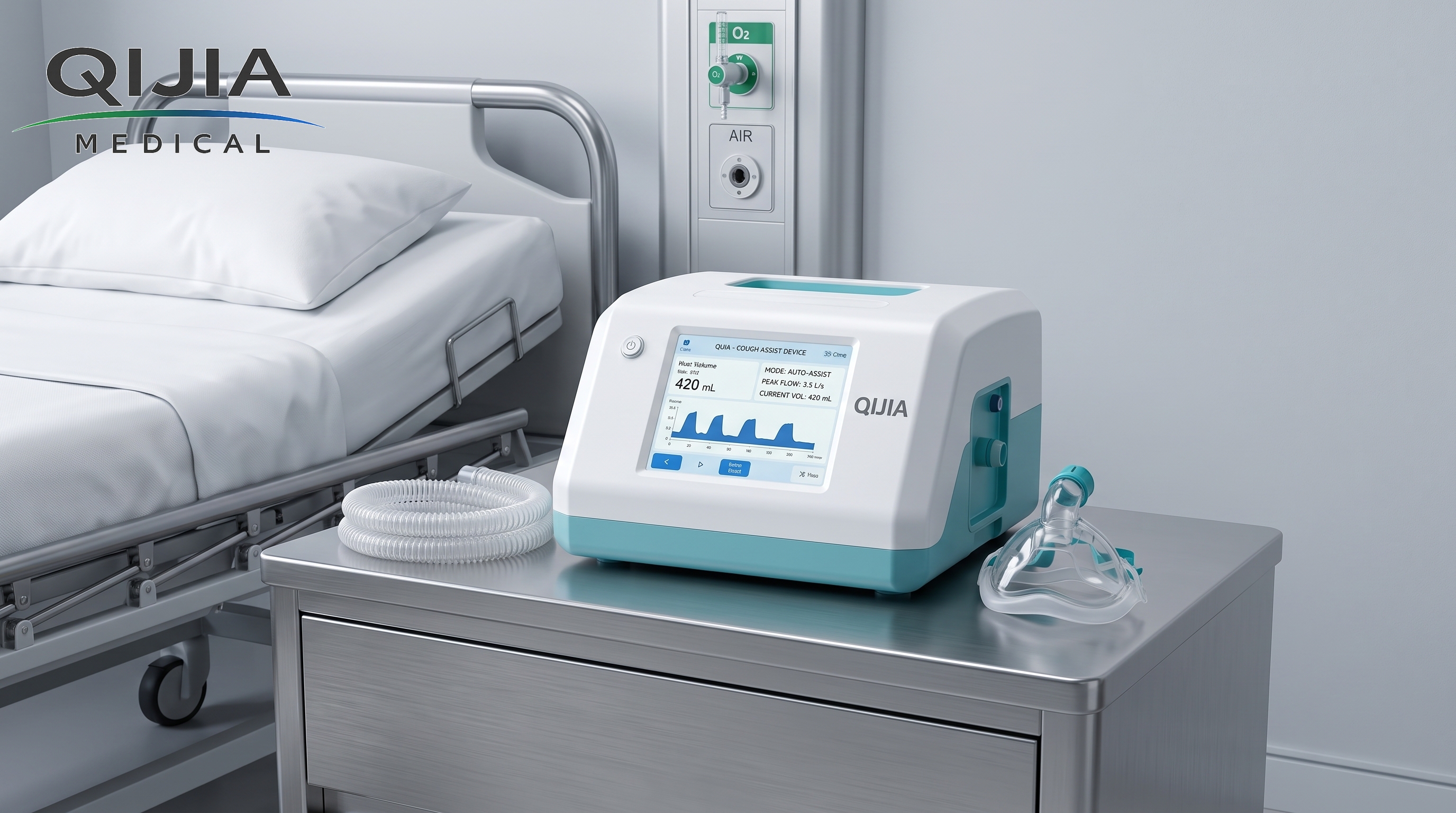
QIJIA MEDICAL provides Cough Assist Device solutions based on Mechanical Insufflation-Exsufflation technology, designed to assist patients who have difficulty generating an effective natural cough and clearing airway secretions.
Product features include:
Adjustable inspiratory pressure: Allows healthcare professionals to configure the insufflation phase according to the prescribed treatment requirements.
Adjustable expiratory pressure: Supports the negative-pressure phase used to generate assisted expiratory airflow.
Adjustable treatment time: Provides flexibility when configuring the treatment process.
Mask interface: Supports non-invasive application when clinically appropriate.
Tracheostomy interface option: Provides an interface option for selected patients with a tracheostomy, subject to clinical assessment and compatibility.
For children and adults with rare genetic diseases, device selection and treatment settings must be individualized. Qualified healthcare professionals should determine the appropriate interface, pressure levels, treatment procedure, and monitoring plan.
Explore the QIJIA MEDICAL Cough Assist Device to learn more about its features and respiratory care applications.
8. Building a Long-Term Respiratory Care Plan for Rare Disease Patients
Rare genetic disorders often require lifelong monitoring. Respiratory management should evolve alongside changes in the patient's condition rather than relying on a fixed treatment approach.
A comprehensive respiratory care plan may include:
Regular respiratory and pulmonary function assessments.
Monitoring cough effectiveness and secretion clearance.
Appropriate airway clearance techniques and mechanical cough assistance when indicated.
Assessment and management of swallowing difficulties and aspiration risk.
Vaccination and infection prevention according to clinical recommendations.
Caregiver education and practical training in prescribed airway clearance procedures.
Periodic review of equipment, treatment settings, and the patient's response.
Caregiver preparation is particularly important for children and patients who depend on family members for daily respiratory support. Families should understand how to recognize early signs of respiratory deterioration and when to seek medical attention.
Learning airway clearance techniques during a period of clinical stability can also help patients and caregivers become more familiar with the prescribed treatment process before an acute respiratory illness occurs.
9. Supporting Better Respiratory Care Through Appropriate Airway Clearance Solutions
Rare genetic diseases may affect only a small number of people individually, but their respiratory complications can have a profound impact on patients and families.
For some inherited neuromuscular and metabolic disorders, respiratory muscle weakness and ineffective coughing can gradually reduce the body's ability to clear airway secretions. During respiratory infections, this limitation may become particularly dangerous.
Recognizing impaired cough function, monitoring respiratory changes, and establishing an individualized airway clearance strategy are important steps in long-term patient care.
Mechanical Insufflation-Exsufflation offers an additional method of cough assistance for appropriately selected patients. When prescribed and used correctly, a Cough Assist Device can support secretion clearance as part of a broader respiratory care program.
QIJIA MEDICAL focuses on medical equipment research, development, and manufacturing, providing respiratory care solutions for healthcare institutions, rehabilitation centers, distributors, and homecare markets.
Learn more about our manufacturing capabilities and OEM/ODM cooperation opportunities.
For product details, distribution inquiries, or potential business cooperation, please contact QIJIA MEDICAL.
Frequently Asked Questions (FAQ)
1. Can rare genetic diseases affect respiratory function?
Yes. Certain inherited disorders can affect respiratory muscles, neuromuscular communication, or other systems involved in breathing and coughing. The degree of respiratory involvement varies according to the specific disease and individual clinical presentation.
2. Which rare genetic diseases may cause ineffective coughing?
Some examples include congenital myopathies, myotubular myopathy, congenital muscular dystrophy, Pompe disease, congenital myasthenic syndromes, and certain mitochondrial disorders. Not every patient with these conditions develops ineffective cough.
3. Why are respiratory infections a concern for patients with congenital myopathies?
Some patients have respiratory muscle weakness and reduced cough effectiveness. During an infection, increased mucus production may exceed their ability to clear secretions, contributing to mucus retention, atelectasis, and respiratory deterioration.
4. How does Pompe disease affect coughing?
Pompe disease can affect the diaphragm and other respiratory muscles. Weak expiratory muscles may reduce cough strength, making it more difficult to clear mucus, particularly during respiratory infections.
5. Can a Cough Assist Device be used for children with rare genetic disorders?
Mechanical cough assistance may be considered for selected pediatric patients with ineffective cough. However, age, body size, respiratory function, airway protection, clinical condition, and treatment tolerance must be assessed by qualified healthcare professionals.
6. Does a Cough Assist Device treat the underlying genetic disease?
No. A Cough Assist Device does not correct genetic abnormalities or stop disease progression. It is designed to assist coughing and support airway secretion clearance when natural cough function is inadequate.
7. Is a Cough Assist Device the same as a ventilator?
No. A ventilator supports or assists breathing, while a Cough Assist Device uses positive and negative pressure to simulate coughing and help move respiratory secretions. They serve different clinical purposes and may both be included in a patient's respiratory care plan when indicated.
8. Can patients with tracheostomy use a Cough Assist Device?
Mechanical cough assistance may be delivered through a compatible tracheostomy interface in selected patients. The interface and treatment settings must be determined by the responsible healthcare professionals.
9. Can a Cough Assist Device prevent all respiratory infections?
No. It may support airway secretion clearance in patients with ineffective cough, but it cannot eliminate the risk of infection. Vaccination, aspiration management, clinical monitoring, and other appropriate respiratory care measures remain important.
10. Does QIJIA MEDICAL offer OEM/ODM cooperation for Cough Assist Devices?
QIJIA MEDICAL provides medical equipment manufacturing and OEM/ODM cooperation opportunities. Medical equipment distributors, healthcare suppliers, and institutional buyers are welcome to contact our team to discuss product information and potential cooperation.