







Cough Assist Device for Pediatric Respiratory Care: Supporting Airway Clearance in Children and Infants
Respiratory health is particularly important during childhood, when the lungs and respiratory system are still developing. For most children, coughing is a natural protective mechanism that helps remove mucus, foreign particles, and respiratory secretions from the airways. However, some infants and children cannot generate a sufficiently strong or effective cough, especially when they have underlying neurological, neuromuscular, or respiratory conditions.
When respiratory secretions cannot be cleared effectively, mucus may accumulate inside the airways, potentially contributing to airway obstruction, atelectasis, recurrent respiratory infections, and impaired gas exchange. These complications can be particularly concerning in young patients with limited respiratory reserves.
For selected pediatric patients with ineffective cough, a Cough Assist Device, also known as a Mechanical Insufflation-Exsufflation (MI-E) device, may provide additional support for airway secretion clearance. By simulating important aspects of a natural cough, this technology helps address one of the major challenges in pediatric respiratory care.
1. Why Are Children More Vulnerable to Airway Secretion Problems?
Children are not simply smaller versions of adults. Their respiratory systems have important anatomical and physiological differences that influence how they respond to mucus accumulation and respiratory illness.
Young children have relatively narrow airways. When excessive mucus accumulates, even a modest amount of secretion can significantly affect airflow. In addition, infants and younger children may not have the respiratory muscle strength, coordination, or voluntary control required to produce an effective cough.
For children with normal respiratory function, coughing usually helps move secretions toward the upper airway. However, this protective mechanism can become less effective when respiratory muscles are weak or neurological control is impaired.
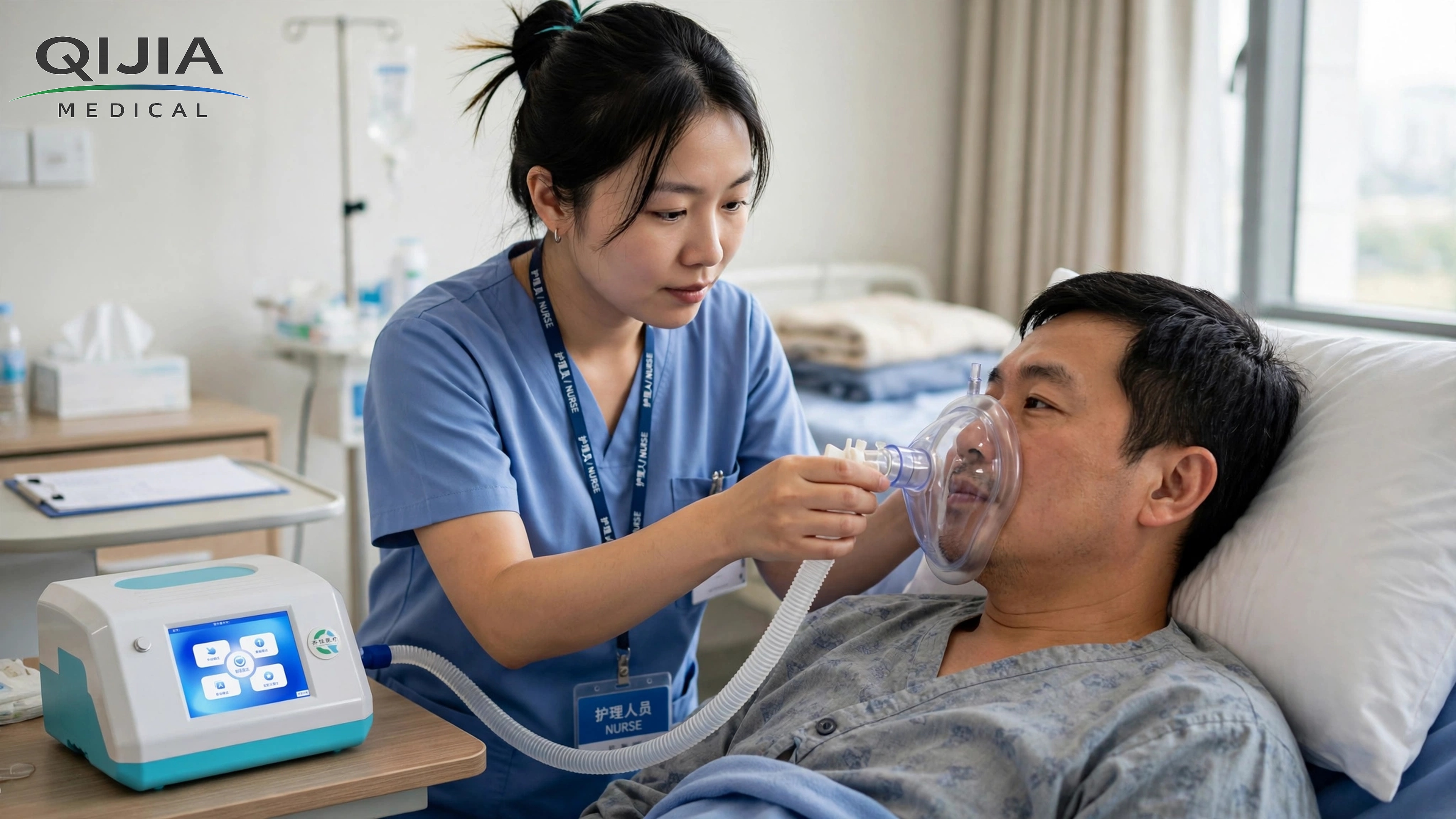
Common factors affecting pediatric airway clearance include:
Immature respiratory development: Infants have developing respiratory structures and limited physiological reserves, making respiratory problems particularly important to monitor.
Respiratory muscle weakness: Weak inspiratory and expiratory muscles may prevent children from generating sufficient airflow for an effective cough.
Neurological impairment: Certain neurological conditions can affect cough coordination, swallowing, airway protection, and secretion management.
Prolonged hospitalization: Extended bed rest, critical illness, and respiratory support may contribute to reduced physical strength and impaired airway clearance.
Recurrent respiratory infections: Increased mucus production during respiratory infections can create additional challenges for children who already have ineffective cough function.
Recognizing these risk factors early is an important part of pediatric respiratory management, particularly for children with chronic medical conditions.
2. The Hidden Dangers of Retained Mucus in Children
For children who cannot cough effectively, accumulated respiratory secretions are more than a temporary discomfort. If mucus remains inside the airways, it may interfere with normal ventilation and contribute to respiratory complications.
2.1 Airway obstruction and mucus plugging
Thick or excessive mucus can narrow the airway and, in some cases, form mucus plugs that partially or completely obstruct airflow.
Because children's airways are relatively small, even localized obstruction may have a significant effect on ventilation. Infants and children with underlying respiratory weakness may have particular difficulty compensating for this problem.
Severe airway obstruction requires prompt medical assessment and appropriate intervention.
2.2 Atelectasis and reduced oxygen exchange
When mucus blocks an airway, the lung region beyond the obstruction may receive insufficient ventilation. This can contribute to atelectasis, a condition in which part of the lung becomes partially or completely collapsed.
Atelectasis may reduce effective gas exchange and increase the respiratory support required by the child. For patients with pre-existing respiratory weakness, this additional burden can complicate an already challenging clinical situation.
2.3 Recurrent respiratory infections and hospitalization
Children who cannot clear respiratory secretions efficiently may experience repeated episodes of respiratory deterioration, particularly during viral or bacterial respiratory infections.
In patients with neuromuscular disorders or impaired airway protection, retained secretions can further complicate respiratory management. Recurrent infections may result in emergency visits, hospital admissions, and prolonged recovery periods.
It is important to understand that mucus retention does not automatically cause infection. However, ineffective secretion clearance is an important respiratory care concern that deserves appropriate attention.
2.4 Respiratory fatigue and deterioration
When breathing becomes more difficult, children may need to work harder to maintain adequate ventilation. For those with already weakened respiratory muscles, this additional effort can contribute to respiratory fatigue.
In severe cases, respiratory function may deteriorate and require urgent medical intervention, including additional respiratory support.
3. Pediatric Conditions That May Affect Cough Effectiveness
Some children are at increased risk of ineffective cough because of underlying neuromuscular or neurological conditions. In these patients, airway clearance problems may persist even when there is no active respiratory infection.
3.1 Spinal Muscular Atrophy (SMA)
Spinal Muscular Atrophy is a genetic neuromuscular disorder that causes progressive muscle weakness. Depending on disease severity, affected children may develop significant weakness of the respiratory muscles.
When the muscles responsible for generating an effective cough become weak, children may struggle to remove mucus from their airways independently.
Respiratory infections can be especially challenging because increased mucus production places additional demands on an already weakened cough mechanism.
Mechanical insufflation-exsufflation may be incorporated into the respiratory management plan of selected children with SMA to assist cough effectiveness and secretion clearance.
3.2 Duchenne Muscular Dystrophy (DMD)
Duchenne Muscular Dystrophy is a progressive genetic condition that causes muscle degeneration and weakness. As the disease progresses, respiratory muscles may also become affected.
Children and adolescents with DMD may gradually lose the ability to generate sufficient expiratory airflow for effective coughing. This can increase the difficulty of clearing secretions, particularly during respiratory infections.
Regular respiratory assessment and an individualized airway clearance strategy are important components of long-term care. For patients with significantly reduced cough effectiveness, a Cough Assist Device may be considered as part of a broader respiratory management program.
3.3 Cerebral Palsy and Neurological Disorders
Children with cerebral palsy and other neurological conditions may experience impaired muscle coordination, abnormal muscle tone, swallowing difficulties, and reduced control of respiratory movements.
Some patients have difficulty coordinating an effective cough or protecting their airways from aspirated material. These challenges may contribute to chronic secretion management problems and recurrent lower respiratory tract complications.
In selected patients with ineffective cough, mechanical cough assistance may be considered alongside other airway clearance techniques. Swallowing function, aspiration risk, bulbar function, and the child's ability to tolerate treatment must all be evaluated.
3.4 Other Neuromuscular and Congenital Conditions
Additional conditions, including congenital muscular disorders, spinal cord injuries, certain genetic syndromes, and other neuromuscular diseases, may also affect respiratory muscle strength.
Although the underlying diagnoses differ, these children may share a similar challenge: they cannot generate sufficient cough airflow to clear accumulated respiratory secretions independently.
For these patients, improving airway clearance can be an important part of maintaining respiratory health and managing complications associated with chronic muscle weakness.
4. Newborns, Premature Infants, and the Challenges of Neonatal Respiratory Care
Newborns and premature infants require particularly careful respiratory monitoring. Their lungs and respiratory control systems are still developing, and their physiological reserves may be limited, especially when they are born prematurely or have underlying medical conditions.
In neonatal intensive care units (NICUs), respiratory management may involve oxygen therapy, noninvasive respiratory support, mechanical ventilation, humidification, and carefully selected airway management procedures.
One important challenge is the management of respiratory secretions in infants who cannot effectively protect or clear their airways.
4.1 Why secretion management matters in premature infants
Premature infants may have underdeveloped lungs, immature respiratory control, and limited respiratory muscle strength. Their ability to respond to respiratory stress can therefore be restricted.
When secretions interfere with airflow, respiratory distress and ventilation difficulties may become more challenging to manage.
Effective secretion management must be individualized according to gestational age, birth weight, lung condition, airway status, and the infant's overall clinical stability.
4.2 Respiratory support does not automatically solve secretion clearance problems
An infant receiving respiratory support may still experience secretion retention. Supporting ventilation and removing accumulated mucus are two different aspects of respiratory management.
Healthcare professionals must therefore evaluate airway patency, secretion characteristics, respiratory status, and the need for appropriate secretion management techniques.
4.3 Is a Cough Assist Device suitable for newborns?
Mechanical insufflation-exsufflation has been used and studied in selected pediatric populations, particularly children with neuromuscular weakness and ineffective cough. However, this should not be interpreted as a recommendation for routine use in all newborns or premature infants.
Neonatal applications require highly specialized clinical evaluation. Patient size, airway anatomy, lung condition, treatment tolerance, and the specific device's approved indications must all be considered.
A Cough Assist Device should only be considered for a newborn when the neonatal or pediatric respiratory specialist determines that the technique is appropriate. Standard neonatal respiratory care protocols must not be replaced by an unverified cough assistance approach.
5. How Does a Cough Assist Device Support Pediatric Airway Clearance?
A Cough Assist Device uses Mechanical Insufflation-Exsufflation (MI-E) technology to simulate important components of a natural cough.
Normally, an effective cough requires sufficient air to enter the lungs, followed by a rapid expiratory movement that generates enough airflow to move mucus toward the upper airway.
Children with respiratory muscle weakness may be unable to generate this airflow independently. MI-E technology is designed to help compensate for this limitation through alternating positive and negative airway pressure.
Step 1: Positive-pressure insufflation
The device delivers positive pressure to assist air movement into the lungs. This helps increase the volume of air available for the subsequent expiratory phase.
Step 2: Rapid negative-pressure exsufflation
The device rapidly switches to negative pressure, creating an outward airflow intended to simulate the expiratory phase of a natural cough.
Step 3: Assisting mucus mobilization
The resulting airflow helps move respiratory secretions from the lower airways toward the central airway, where they may be easier to remove through an effective cough or other appropriate airway clearance procedures.
For selected pediatric patients with weak cough function, this technique may provide additional assistance when conventional coughing is insufficient.
6. Potential Applications of Cough Assist Devices in Pediatric Respiratory Care
Mechanical cough assistance is not necessary for every child with respiratory problems. Its potential application is particularly relevant to patients who have an identifiable problem with cough effectiveness.
6.1 Children with neuromuscular weakness
Children with SMA, DMD, and other neuromuscular conditions may gradually lose the ability to produce an effective cough.
For appropriately selected patients, MI-E can help augment cough-related airflow and support the removal of respiratory secretions. Treatment may be included in a long-term airway clearance program under specialist supervision.
6.2 Children experiencing recurrent respiratory infections
During respiratory infections, mucus production often increases. Children with weak respiratory muscles may struggle to manage this additional secretion burden.
When conventional coughing is insufficient, mechanical cough assistance may be considered as an additional airway clearance technique to help mobilize secretions.
6.3 Children with tracheostomy
Some children require a tracheostomy because of prolonged respiratory support, airway conditions, or underlying neurological and neuromuscular disorders.
Although a tracheostomy provides an alternative airway route, it does not automatically restore effective cough strength.
Selected patients with a tracheostomy and impaired cough may benefit from mechanical cough assistance when an appropriate tracheostomy-specific interface and treatment configuration are available.
6.4 Pediatric patients requiring long-term respiratory care
Some children with chronic neurological or neuromuscular conditions require ongoing respiratory monitoring and home-based respiratory support.
For families and healthcare providers, maintaining a consistent airway clearance routine can be an important part of long-term care. A Cough Assist Device may be included in an individualized treatment plan when recommended by the clinical team.
Caregivers must receive appropriate training in device operation, patient positioning, treatment procedures, and recognition of potential complications.
7. Important Safety Considerations for Pediatric Cough Assistance
Children have different airway dimensions, lung capacities, respiratory mechanics, and treatment tolerances compared with adults. Therefore, adult treatment settings should never be automatically applied to pediatric patients.
Before using a Cough Assist Device, healthcare professionals should carefully assess the following factors:
Age and body size: Treatment suitability depends on the child's developmental stage, airway anatomy, and the specific device's intended patient population.
Respiratory condition: Existing lung disease, oxygenation, ventilation, and respiratory stability must be evaluated.
Airway and swallowing function: Bulbar dysfunction, aspiration risk, and the ability to manage mobilized secretions require particular attention.
Pressure tolerance: Inspiratory and expiratory pressure settings must be individualized rather than copied from adult treatment protocols.
Underlying medical conditions: Pneumothorax, significant air-leak conditions, cardiovascular instability, and certain neurological conditions may require additional precautions or make treatment unsuitable.
Airway interface: The appropriate mask or tracheostomy interface must be selected according to the patient's airway status and clinical requirements.
Clinical monitoring: Oxygen saturation, heart rate, respiratory response, and signs of treatment intolerance should be monitored as appropriate.
Another important consideration is that MI-E primarily helps mobilize secretions. It does not guarantee that a child can independently expectorate the mucus that has reached the upper airway. Additional suctioning or other airway clearance procedures may still be necessary.
For newborns and premature infants, the threshold for specialist evaluation should be especially high. The availability of a device or interface does not automatically establish its suitability for neonatal treatment.
8. QIJIA MEDICAL Cough Assist Device for Respiratory Care Applications
As pediatric respiratory care continues to develop, healthcare providers require reliable equipment that can support different airway clearance needs.
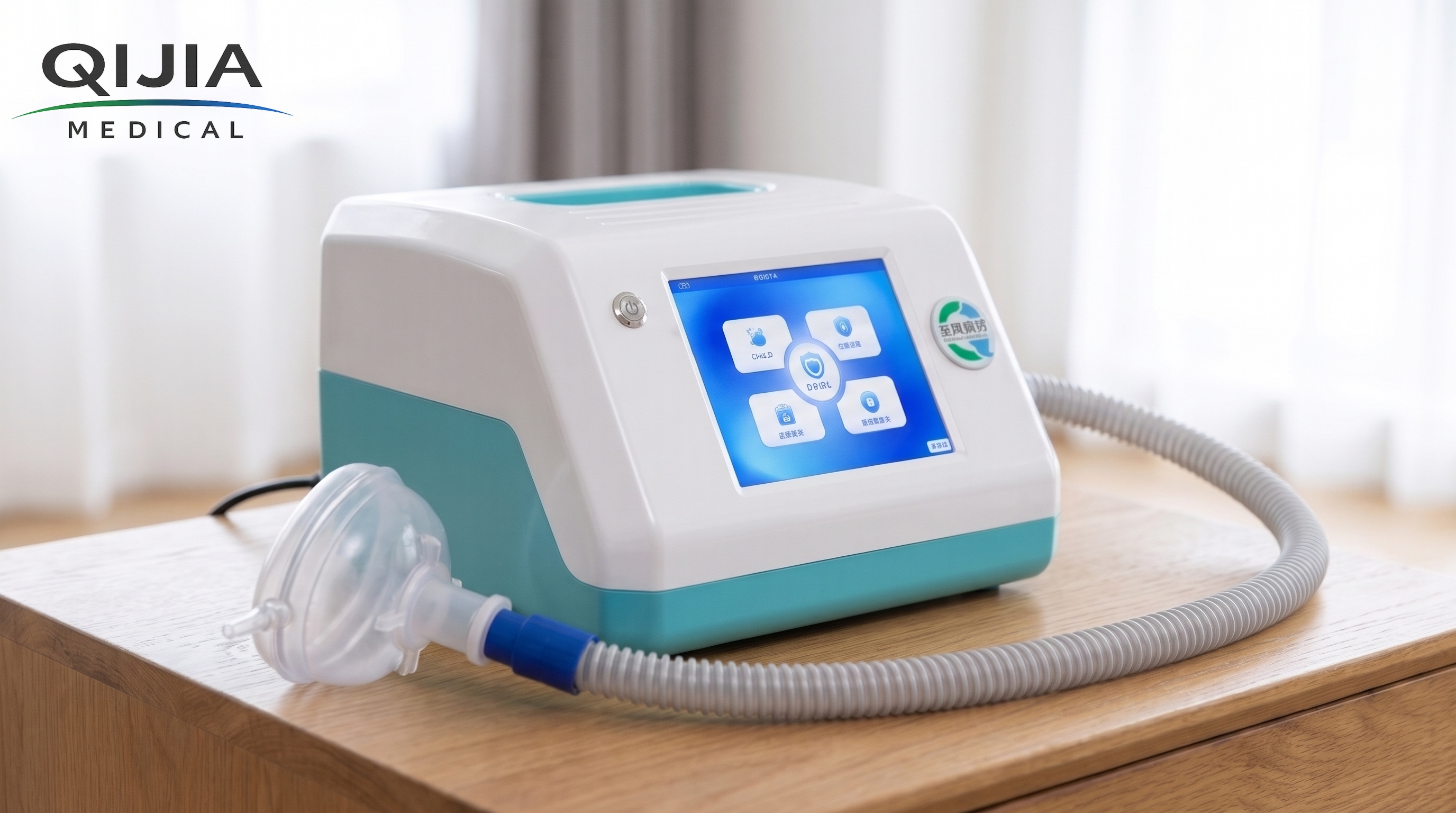
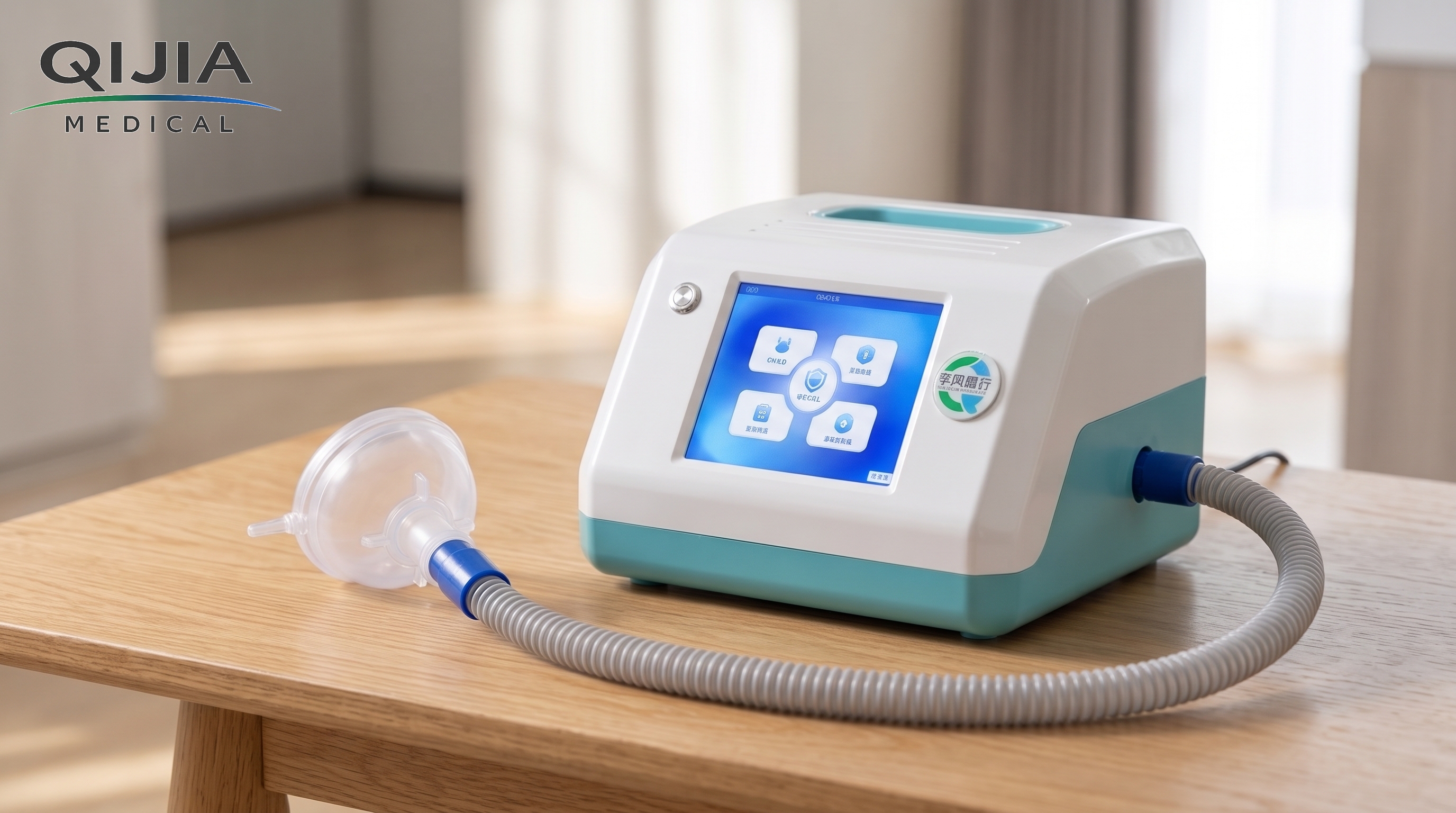
The QIJIA MEDICAL Cough Assist Device is designed around Mechanical Insufflation-Exsufflation technology, using alternating positive and negative airway pressure to assist cough-related airflow and respiratory secretion clearance.
Key product features include:
Adjustable inspiratory pressure: Allows healthcare professionals to configure the insufflation phase according to individual treatment requirements.
Adjustable expiratory pressure: Provides flexibility in configuring the exsufflation phase.
Adjustable treatment time: Enables treatment duration to be configured according to the prescribed care plan.
Mask interface: Provides an interface option for appropriate patients receiving noninvasive cough assistance.
Tracheostomy-specific interface option: Supports selected tracheostomy-related applications when clinically appropriate.
For pediatric hospitals, respiratory care departments, rehabilitation facilities, and medical equipment distributors, evaluating cough assistance technology requires consideration of both device capabilities and the intended patient population.
The QIJIA MEDICAL Cough Assist Device should only be used in pediatric or neonatal applications when the specific device configuration, intended use, and clinical requirements are confirmed to be appropriate by qualified healthcare professionals.
To learn more about the product and its technical features, visit our product page:
QIJIA MEDICAL Cough Assist Device – Mechanical Insufflation-Exsufflation System
9. Supporting Better Pediatric Respiratory Management Through Early Attention
Effective respiratory care for children involves more than treating breathing difficulties after they appear. It also requires identifying potential airway clearance problems and understanding the underlying reasons why a child cannot remove respiratory secretions independently.
For children with neuromuscular weakness, neurological impairment, or chronic respiratory conditions, ineffective cough can become a long-term clinical challenge. During respiratory infections, the additional mucus burden may further increase the risk of complications.
Mechanical insufflation-exsufflation offers an additional airway clearance approach for selected patients by helping generate cough-related airflow. When appropriately prescribed and integrated into a comprehensive respiratory care plan, it may support secretion management and help address the limitations of a weak natural cough.
At QIJIA MEDICAL, we focus on the development and manufacturing of medical equipment for respiratory care and rehabilitation. We work with healthcare providers and medical equipment partners to provide product solutions and OEM/ODM cooperation opportunities.
Learn more about our company and manufacturing capabilities:
About QIJIA MEDICAL – Medical Equipment Manufacturer and OEM/ODM Partner
For product specifications, distribution inquiries, or potential business cooperation, please contact our team:
Frequently Asked Questions (FAQ)
1. What is a Cough Assist Device used for in pediatric respiratory care?
A Cough Assist Device helps patients with ineffective cough generate stronger cough-related airflow through mechanical insufflation-exsufflation. In selected children with respiratory muscle weakness, it may help mobilize mucus and support airway secretion clearance.
2. Which pediatric conditions may benefit from mechanical cough assistance?
Selected children with conditions such as spinal muscular atrophy, Duchenne muscular dystrophy, cerebral palsy, spinal cord injuries, and other neuromuscular disorders may be considered for MI-E when they have impaired cough effectiveness.
3. Can a Cough Assist Device be used for newborns and premature infants?
Neonatal use requires specialized assessment and should not be considered routine respiratory care. The infant's gestational age, weight, airway anatomy, lung condition, and the specific device's intended use must be evaluated by a neonatal or pediatric respiratory specialist.
4. Why is weak cough function dangerous for children?
An ineffective cough can allow mucus to accumulate inside the airways. This may contribute to airway obstruction, atelectasis, recurrent respiratory complications, and impaired ventilation, particularly in children with underlying respiratory muscle weakness.
5. How does a Cough Assist Device help remove mucus?
The device alternates between positive pressure to assist air movement into the lungs and negative pressure to generate rapid outward airflow. This simulates important aspects of a natural cough and helps move secretions toward the upper airway.
6. Can children with a tracheostomy use a Cough Assist Device?
Some children with a tracheostomy and ineffective cough may be considered for MI-E. An appropriate tracheostomy-specific interface, individualized pressure settings, and professional supervision are essential.
7. Can a Cough Assist Device replace conventional suctioning?
No. Mechanical cough assistance and suctioning serve different purposes. MI-E helps mobilize respiratory secretions, while suctioning removes accessible mucus through an appropriate catheter. Both techniques may be used as complementary approaches when clinically indicated.
8. Are adult Cough Assist Device pressure settings suitable for children?
No. Pediatric treatment settings must be individualized according to the child's age, size, respiratory mechanics, underlying condition, and treatment tolerance. Adult settings should never be automatically transferred to children.
9. What should hospitals consider when selecting a pediatric Cough Assist Device?
Healthcare providers should evaluate adjustable pressure capabilities, treatment controls, available patient interfaces, intended patient population, regulatory status, manufacturer qualifications, and technical support. Pediatric and neonatal suitability must be verified separately.
Conclusion
For children who cannot cough effectively, airway secretion management is an important part of respiratory care. From neuromuscular disorders to complex pediatric respiratory conditions, weak cough function can create significant challenges that should not be overlooked.
A Cough Assist Device provides an additional approach to airway clearance by assisting cough-related airflow through mechanical insufflation-exsufflation. With appropriate patient selection, individualized treatment, and professional supervision, this technology may support respiratory secretion management in selected pediatric patients.
QIJIA MEDICAL – The Future of Smart Healthcare.