







Neurological Rehabilitation: Understanding Brain Disorders and the Role of Transcranial Magnetic Stimulation (TMS)
The human brain controls almost every aspect of daily life, including movement, balance, speech, memory, coordination, and emotional responses. When neurological damage or dysfunction occurs, even relatively simple activities such as walking, holding objects, speaking clearly, or remembering familiar information can become difficult.
Neurological disorders and brain injuries affect millions of people worldwide. Conditions such as stroke, Parkinson's disease, traumatic brain injury, and other neurological disorders can cause long-term functional limitations, reduce independence, and place considerable pressure on patients, families, and healthcare systems.
Although conventional rehabilitation remains essential, recovering neurological function can be a complex and lengthy process. Advances in neuroscience and neuromodulation have therefore attracted growing attention. Transcranial Magnetic Stimulation (TMS) is one of the non-invasive technologies being investigated and applied in selected neurological and brain-function rehabilitation settings.
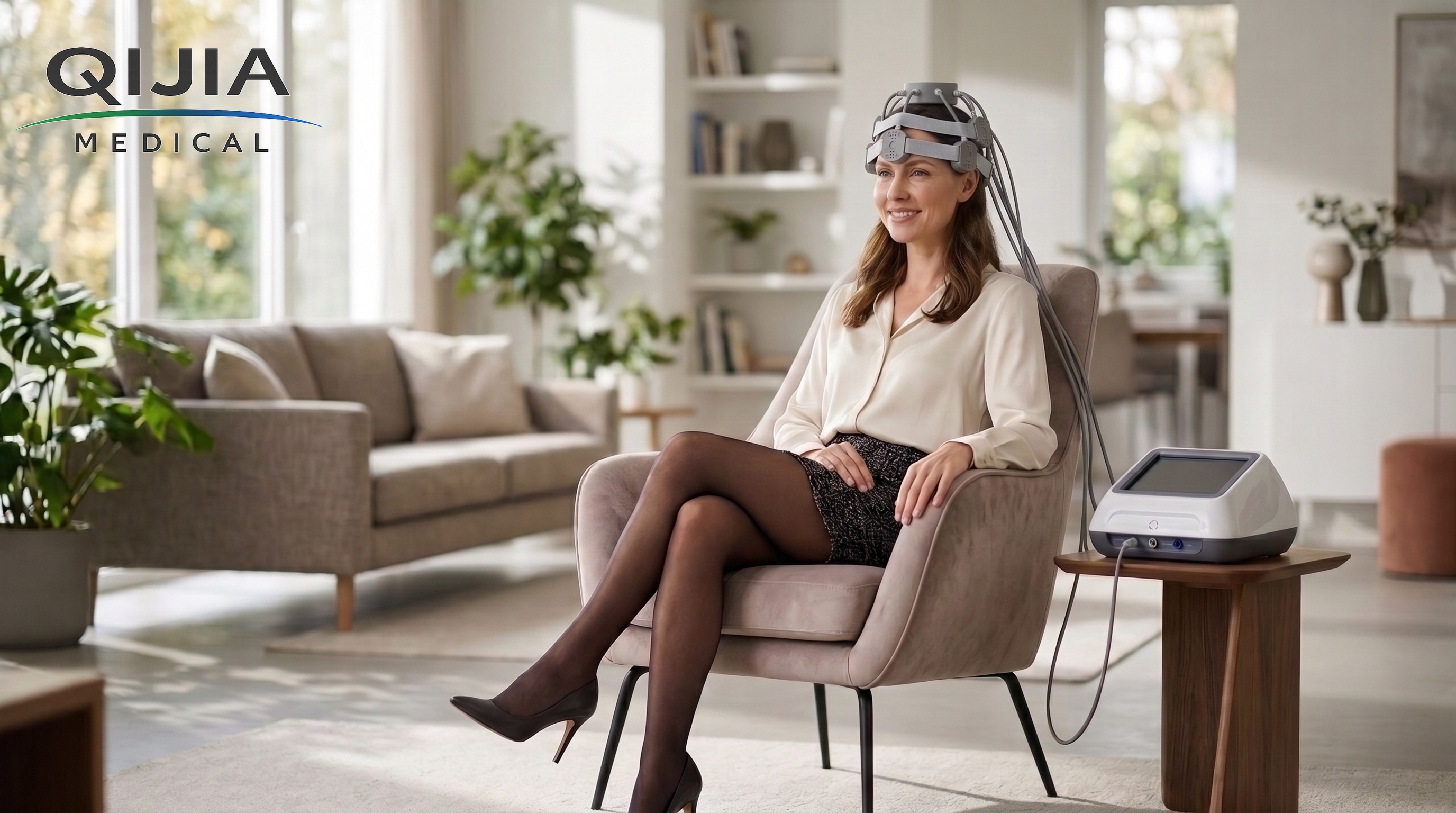
1. When Neurological Function Is Damaged: Why Early Attention Matters
The brain is responsible for coordinating communication between the central nervous system, muscles, sensory organs, and other parts of the body. Damage to specific brain regions or their neural connections can interrupt these communication pathways and lead to significant functional problems.
Some neurological conditions develop suddenly, while others progress gradually. Regardless of their cause, persistent neurological impairment should never be ignored.
Stroke: A Medical Emergency With Potentially Lasting Consequences
Stroke occurs when blood supply to part of the brain is interrupted or when a blood vessel ruptures, causing damage to brain tissue. Brain cells can begin to suffer injury within minutes, making immediate medical attention essential.
Depending on the location and severity of the damage, stroke survivors may experience:
Weakness or paralysis affecting one side of the body.
Difficulty walking, standing, or maintaining balance.
Reduced hand strength and fine motor coordination.
Speech and language difficulties.
Problems with memory, attention, and information processing.
Difficulty swallowing or performing everyday activities independently.
These complications can significantly affect a person's independence. A patient who previously managed daily activities without assistance may suddenly require help with eating, dressing, bathing, or moving around the home.
Stroke rehabilitation is therefore not simply about improving muscle strength. It also involves restoring functional movement, improving coordination, developing compensatory strategies, and helping patients regain as much independence as possible.
Parkinson's Disease: The Gradual Loss of Movement Control
Parkinson's disease is a progressive neurological disorder associated with the degeneration of dopamine-producing neurons in specific brain regions. Dopamine plays an important role in controlling smooth and coordinated movement.
As the disease progresses, patients may develop:
Resting tremors in the hands or other body parts.
Muscle rigidity and stiffness.
Slowness of movement (bradykinesia).
Difficulty initiating movement or walking.
Impaired balance and increased fall risk.
Changes in speech, facial expression, and daily motor performance.
These symptoms may gradually interfere with routine activities and increase dependence on caregivers. Falls are a particularly important concern because impaired balance and reduced mobility can lead to serious injuries and further loss of independence.
Although Parkinson's disease currently has no established cure, appropriate medication, physical rehabilitation, and multidisciplinary care can help manage symptoms and maintain functional abilities.
Traumatic Brain Injury: The Hidden Impact of Brain Damage
Traumatic brain injury (TBI) can result from road accidents, falls, sports injuries, or other external forces affecting the head. Its consequences vary significantly depending on the severity and location of the injury.
Some patients experience physical impairments, while others develop cognitive or behavioral difficulties that may not be immediately visible.
Potential complications include:
Reduced concentration and attention.
Memory difficulties and slower information processing.
Problems with balance and motor coordination.
Muscle weakness and movement limitations.
Changes in emotional regulation and behavior.
Persistent difficulties returning to work or normal social activities.
In more severe cases, long-term neurological impairment may require extensive rehabilitation and ongoing assistance. Early medical evaluation and an individualized rehabilitation plan are important for managing the consequences of brain injury.
2. The Importance of Brain Plasticity in Neurological Rehabilitation
One of the most important concepts in modern neuroscience is neuroplasticity, the brain's ability to adapt and reorganize its neural connections in response to learning, experience, and injury.
Following neurological damage, certain neural pathways may become impaired, while other networks may adapt or contribute to functional recovery. Rehabilitation exercises can help encourage this process through repeated and task-specific activities.
For example, stroke rehabilitation may involve repetitive hand movements, walking exercises, balance training, and speech therapy. These activities provide structured opportunities for the nervous system to practice and reinforce functional movements.
However, neurological recovery is not always straightforward. Some patients experience persistent weakness, poor coordination, or limited functional improvement despite regular rehabilitation.
Several factors can influence recovery:
The location and extent of neurological damage.
The time elapsed since the injury or disease onset.
The patient's age and general health condition.
The severity of motor and cognitive impairment.
The consistency and quality of rehabilitation training.
The patient's individual neurological response.
This complexity has encouraged researchers to investigate complementary approaches that may influence neural activity and support rehabilitation strategies.
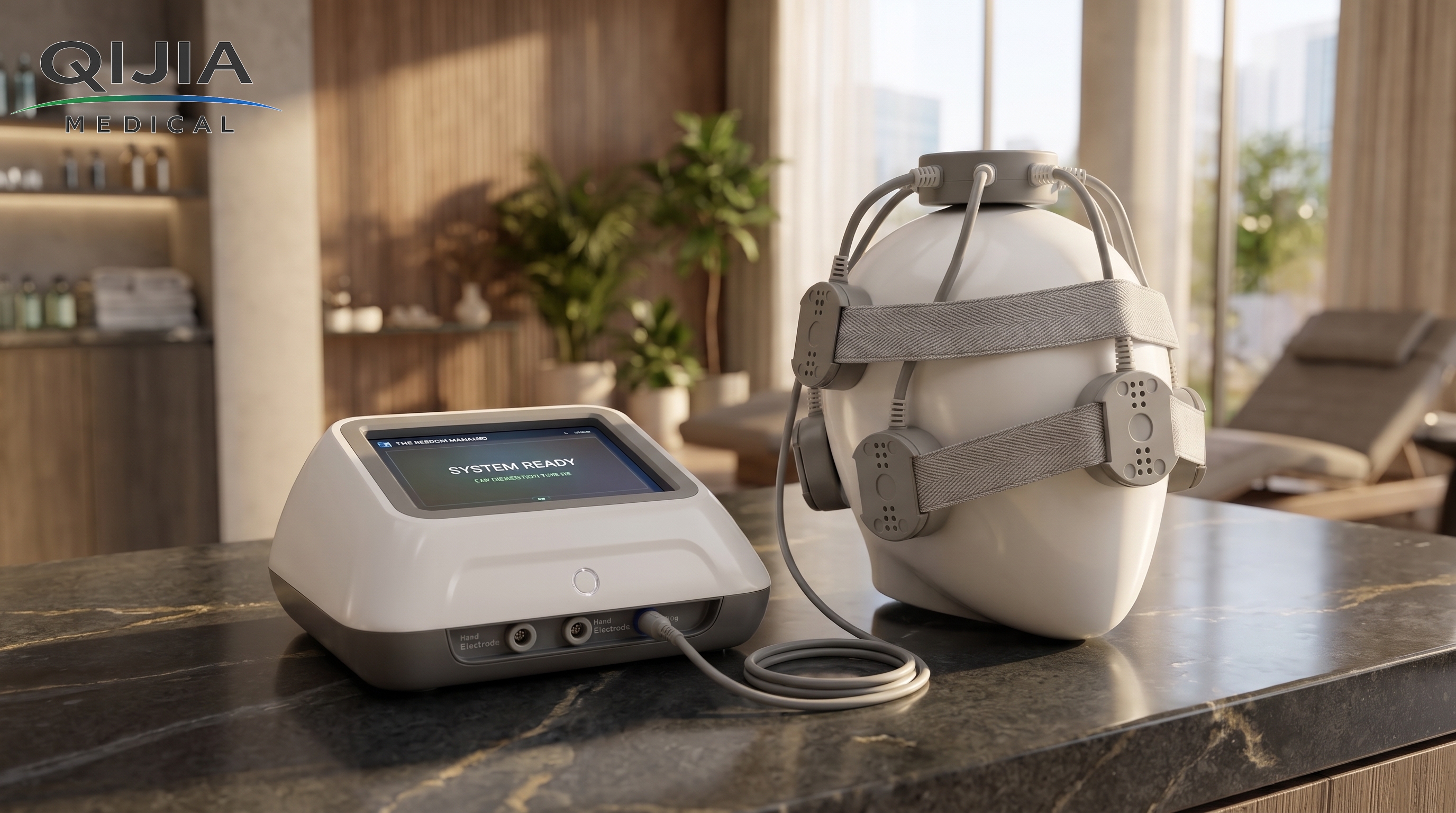
3. How Transcranial Magnetic Stimulation (TMS) Works
Transcranial Magnetic Stimulation (TMS) is a non-invasive neuromodulation technology that uses rapidly changing magnetic fields to stimulate targeted areas of the cerebral cortex.
During stimulation, an electromagnetic coil is positioned near the patient's scalp. The changing magnetic field passes through the skull and induces small electrical currents in the underlying brain tissue, influencing the activity of neurons.
Depending on the stimulation frequency, intensity, target location, and treatment protocol, TMS can produce different effects on cortical excitability and neural network activity.
TMS and Neuroplasticity
Researchers are interested in TMS because repeated stimulation may influence the strength and organization of neural connections. These effects are associated with mechanisms of neuroplasticity, which are also important in learning and neurological rehabilitation.
In stroke research, for example, stimulation may target specific motor-related brain regions to investigate changes in cortical excitability and the balance of activity between the two cerebral hemispheres.
Some clinical studies suggest that repetitive TMS (rTMS), when combined with conventional rehabilitation, may contribute to improvements in selected motor outcomes among certain stroke patients. However, treatment effects vary, and the evidence does not establish TMS as a universal or standalone solution for stroke recovery.
Different Stimulation Protocols for Different Neurological Targets
TMS is not a single standardized treatment protocol. Different stimulation frequencies and patterns can influence cortical activity in different ways.
Low-frequency stimulation is generally associated with inhibitory effects on cortical excitability, while certain high-frequency protocols are associated with facilitatory effects. The actual response depends on the stimulation target, individual neurological condition, and treatment parameters.
For this reason, clinical TMS applications require appropriate patient assessment, accurate positioning, protocol selection, and professional supervision.
4. Exploring TMS Applications in Neurological and Brain-Function Rehabilitation
Beyond its established applications in selected psychiatric conditions, TMS continues to attract research interest across several neurological fields.
Stroke Rehabilitation and Motor Function
Stroke-related motor impairment is one of the most extensively studied neurological applications of rTMS.
Researchers have investigated whether targeted stimulation can influence motor cortex activity and complement conventional rehabilitation for patients with upper-limb weakness, impaired movement coordination, and other motor limitations.
Potential research outcomes include:
Changes in motor cortex excitability.
Improvements in selected upper-limb motor assessments.
Changes in functional movement performance.
Potential improvements in certain activities of daily living.
However, results differ according to stroke stage, lesion characteristics, stimulation protocol, and rehabilitation approach. Current clinical recommendations do not support routine use of non-invasive brain stimulation for every stroke rehabilitation patient. TMS should be considered only within appropriate clinical and regulatory frameworks.
Parkinson's Disease and Movement Disorders
TMS has also been investigated in Parkinson's disease, particularly for its potential influence on motor-related cortical networks.
Researchers have explored stimulation approaches targeting motor areas and other neural circuits associated with movement control. Some studies report encouraging findings for selected motor and non-motor symptoms, but results remain variable.
Important research considerations include tremor, movement initiation, motor speed, gait, and the relationship between stimulation protocols and conventional Parkinson's medication.
At present, TMS should not be presented as an established treatment for the underlying progression of Parkinson's disease. Its potential role in symptom management and rehabilitation requires further clinical evaluation.
Traumatic Brain Injury and Cognitive Function
Following traumatic brain injury, some individuals experience persistent cognitive difficulties, including impaired attention, reduced processing speed, and memory problems.
Non-invasive brain stimulation has attracted research interest as a possible way to influence neural networks involved in cognitive performance.
Although early research has explored TMS for selected cognitive and neurological outcomes, evidence remains limited and varies across patient populations and treatment protocols. Further controlled studies are necessary before broad clinical recommendations can be made.
5. QIJIA MEDICAL: Supporting the Development of Neuromodulation Equipment
As neurological rehabilitation continues to evolve, healthcare institutions are paying increasing attention to medical technologies that can complement conventional rehabilitation approaches.
QIJIA MEDICAL specializes in the research, development, manufacturing, and integration of medical equipment, providing solutions for hospitals, rehabilitation centers, healthcare facilities, and international medical equipment distributors.
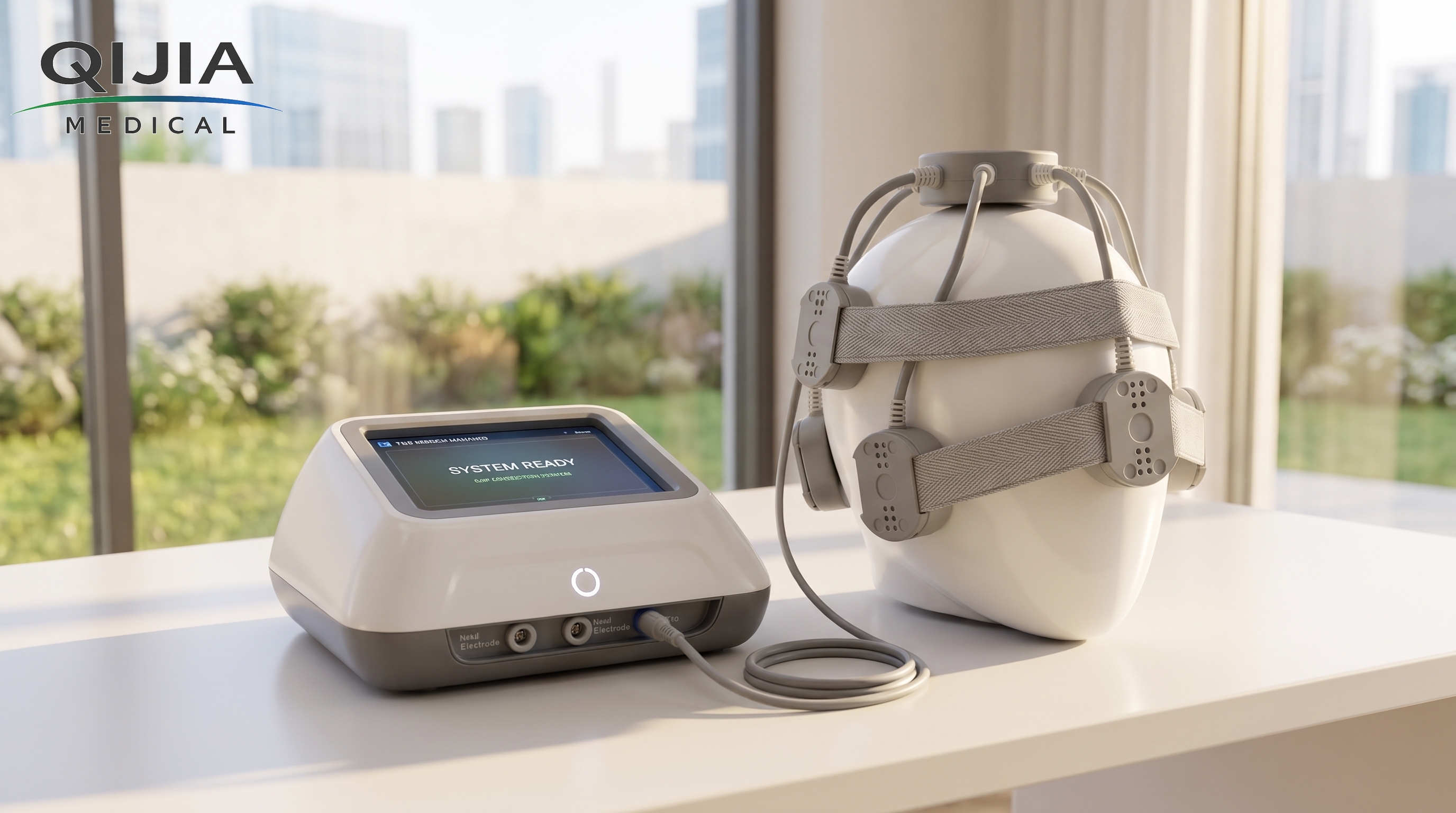
Our Transcranial Magnetic Stimulation (TMS) equipment integrates three different physical stimulation features into one multifunctional platform:
Magnetic Stimulation: Uses magnetic pulses as the primary stimulation mechanism of TMS technology, supporting neuromodulation applications according to the device's specifications and approved protocols.
Electrical Stimulation: Provides an additional electrical stimulation function through its designated electrical stimulation system.
Vibration Massage: Integrates a vibration massage function as an additional physical stimulation feature.
These functions use different stimulation mechanisms and should be understood as separate features rather than interchangeable neurological treatments. Their applications and clinical suitability depend on the equipment's technical specifications, instructions for use, and applicable regulatory authorization.
We believe that continuous innovation in medical equipment design and manufacturing can help healthcare providers access more flexible technology solutions as the rehabilitation industry develops.
To learn more about the equipment, its features, and technical specifications, visit our TMS Product Page.
6. Choosing the Right Medical Equipment Partner for Rehabilitation Facilities
For hospitals, rehabilitation centers, and medical equipment distributors, choosing a reliable manufacturing partner is an important part of long-term business development.
Beyond product functionality, buyers should consider manufacturing experience, quality management, technical documentation, product consistency, and after-sales support.
QIJIA MEDICAL combines research and development with manufacturing capabilities and provides OEM/ODM cooperation opportunities for international partners.
Whether you are developing a medical equipment distribution business, expanding a rehabilitation center, or exploring new healthcare technology solutions, our team can discuss potential cooperation based on your market requirements.
Discover our company background, manufacturing capabilities, and OEM/ODM services through our About Us page.
For product information, technical inquiries, or international distribution opportunities, please visit our Contact Us page. We welcome inquiries from healthcare professionals, medical institutions, and qualified business partners worldwide.
Frequently Asked Questions (FAQ)
1. What neurological conditions are being studied for TMS applications?
TMS has been investigated in several neurological fields, including stroke rehabilitation, Parkinson's disease, traumatic brain injury, movement disorders, and cognitive impairment. The level of clinical evidence varies significantly between conditions, and not all applications are established treatments.
2. Can TMS help stroke patients recover motor function?
Research suggests that specific rTMS protocols may improve selected motor outcomes in some stroke survivors, particularly when combined with conventional rehabilitation. However, results depend on the patient's condition, stroke stage, stimulation target, and treatment protocol. TMS is not a replacement for standard stroke rehabilitation.
3. Is TMS an established treatment for Parkinson's disease?
TMS is being investigated as a potential complementary approach for selected motor and non-motor symptoms associated with Parkinson's disease. However, evidence remains variable, and it is not an established treatment for stopping or reversing disease progression.
4. Can TMS improve memory and cognitive function after brain injury?
Some studies have explored TMS for attention, memory, and other cognitive functions following brain injury. Although preliminary findings are of interest, further high-quality clinical research is required to establish its effectiveness and appropriate treatment protocols.
5. Is TMS a non-invasive brain stimulation technology?
Yes. TMS uses an electromagnetic coil positioned near the scalp to deliver magnetic pulses without surgical intervention or implanted electrodes. Patients generally remain awake during treatment.
6. Is TMS suitable for every patient with a neurological disorder?
No. Patient suitability depends on the neurological condition, medical history, implanted devices, seizure risk, medications, and other clinical factors. Patients with a history of seizures, certain metallic implants, or implanted electronic stimulators may require additional assessment or may have contraindications. Treatment should always be supervised by appropriately trained healthcare professionals.
7. Does QIJIA MEDICAL offer OEM and ODM services for TMS equipment?
Yes. QIJIA MEDICAL provides OEM and ODM cooperation opportunities for international medical equipment distributors and business partners. Interested customers can contact our team to discuss product specifications, customization requirements, and potential cooperation.
Conclusion
Neurological disorders can affect far more than physical movement. They may compromise communication, cognitive abilities, independence, and the overall quality of life. Stroke, Parkinson's disease, and traumatic brain injury demonstrate why timely diagnosis, comprehensive rehabilitation, and continued medical research are so important.
As neuroscience advances, Transcranial Magnetic Stimulation continues to offer an interesting research and clinical technology platform for selected neuromodulation applications. While further evidence is needed across many neurological conditions, its development reflects the growing interest in understanding and influencing brain activity through non-invasive stimulation.
QIJIA MEDICAL remains committed to medical equipment innovation, manufacturing quality, and international cooperation, supporting healthcare professionals and distributors as they explore the future of smart healthcare and rehabilitation technology.