







Limb Coordination Disorders After Stroke and Parkinson’s Disease: Why Early Rehabilitation Assessment Matters
Motor coordination plays a critical role in daily activities such as walking, grasping objects, maintaining balance, and performing self-care tasks. However, neurological diseases including stroke, Parkinson’s disease, and brain injuries can seriously affect the communication between the brain, nerves, and muscles, leading to movement disorders and reduced independence.
For healthcare providers, accurate assessment and continuous rehabilitation training are essential for helping patients regain better motor control and improve their quality of life.
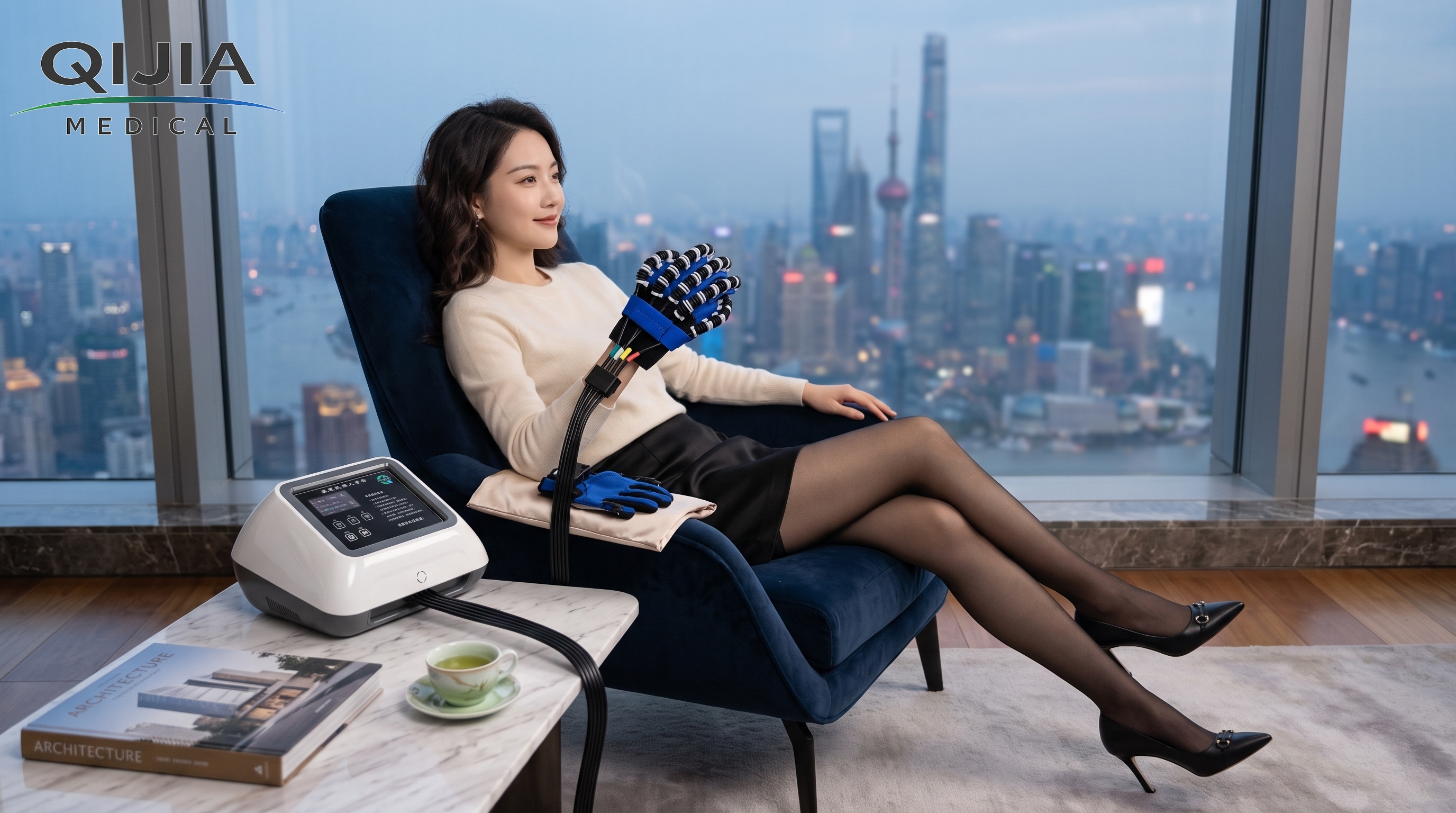
How Neurological Disorders Affect Limb Movement and Coordination
The human movement system depends on precise cooperation between the brain, nervous system, muscles, and joints. When neurological damage occurs, patients may experience difficulties controlling their limbs.
Common problems include:
Muscle weakness and reduced limb control
Poor balance and increased risk of falls
Difficulty performing precise movements
Slow reaction ability and reduced coordination
Problems with daily activities such as dressing, eating, or walking
These functional limitations are especially common among patients recovering from stroke or living with progressive neurological conditions such as Parkinson’s disease.
Stroke Rehabilitation: Restoring Movement After Brain Injury
Stroke is one of the leading causes of long-term disability worldwide. After a stroke, damage to specific areas of the brain may affect one side of the body, resulting in hemiplegia, muscle weakness, and impaired coordination.
Many stroke survivors experience difficulties with:
Arm and hand movement control
Lower limb stability during standing and walking
Balance and body coordination
Completing daily functional movements
Effective rehabilitation usually requires repetitive, progressive, and task-oriented training to encourage the brain and muscles to rebuild movement patterns. Continuous assessment allows therapists to understand patient progress and adjust rehabilitation programs more accurately.
Parkinson’s Disease and Progressive Movement Challenges
Parkinson’s disease is a neurological disorder that gradually affects movement control. Patients may experience symptoms such as tremors, stiffness, slow movement, and reduced coordination.
As the disease progresses, patients may face challenges including:
Difficulty initiating movements
Reduced walking stability
Loss of fine motor control
Increased risk of falls
Regular rehabilitation training can help patients maintain existing motor abilities, improve movement confidence, and support better daily function.
The Importance of Limb Rehabilitation Assessment and Coordination Training
Traditional rehabilitation relies heavily on therapists’ clinical experience. However, objective assessment tools can provide additional support by recording patient performance, evaluating movement ability, and helping healthcare professionals design more personalized training programs.
A professional limb rehabilitation assessment and coordination training system can assist medical institutions in:
Evaluating upper and lower limb movement ability
Training coordination and motor control
Providing progressive rehabilitation exercises
Tracking patient improvement during rehabilitation
Supporting therapists in creating individualized treatment plans
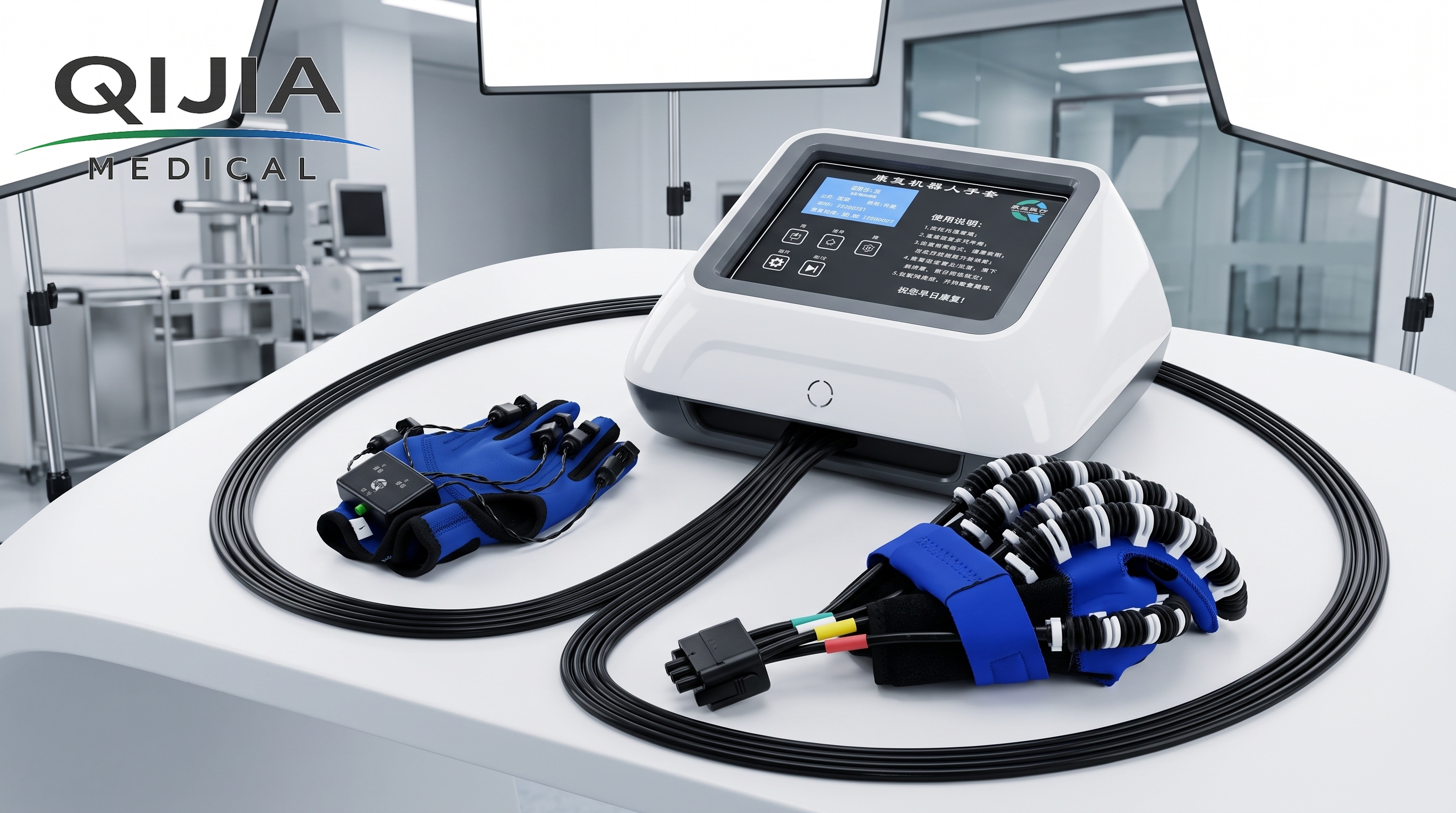
QIJIA Limb Rehabilitation Assessment and Coordination Training System for Hospital Use
DieSystem zur Beurteilung und Koordinierung der Rehabilitation is designed for hospitals, rehabilitation centers, and professional healthcare facilities that require efficient and intelligent rehabilitation solutions.
The system combines assessment and training functions, helping healthcare professionals provide structured rehabilitation programs for patients with neurological and motor function disorders.
It is suitable for rehabilitation applications related to:
Post-stroke motor dysfunction
Parkinson’s disease rehabilitation
Neurological injury recovery
Movement coordination disorders
Physical rehabilitation after functional impairment
By integrating evaluation and training into one solution, healthcare providers can better monitor patient conditions and support continuous rehabilitation management.
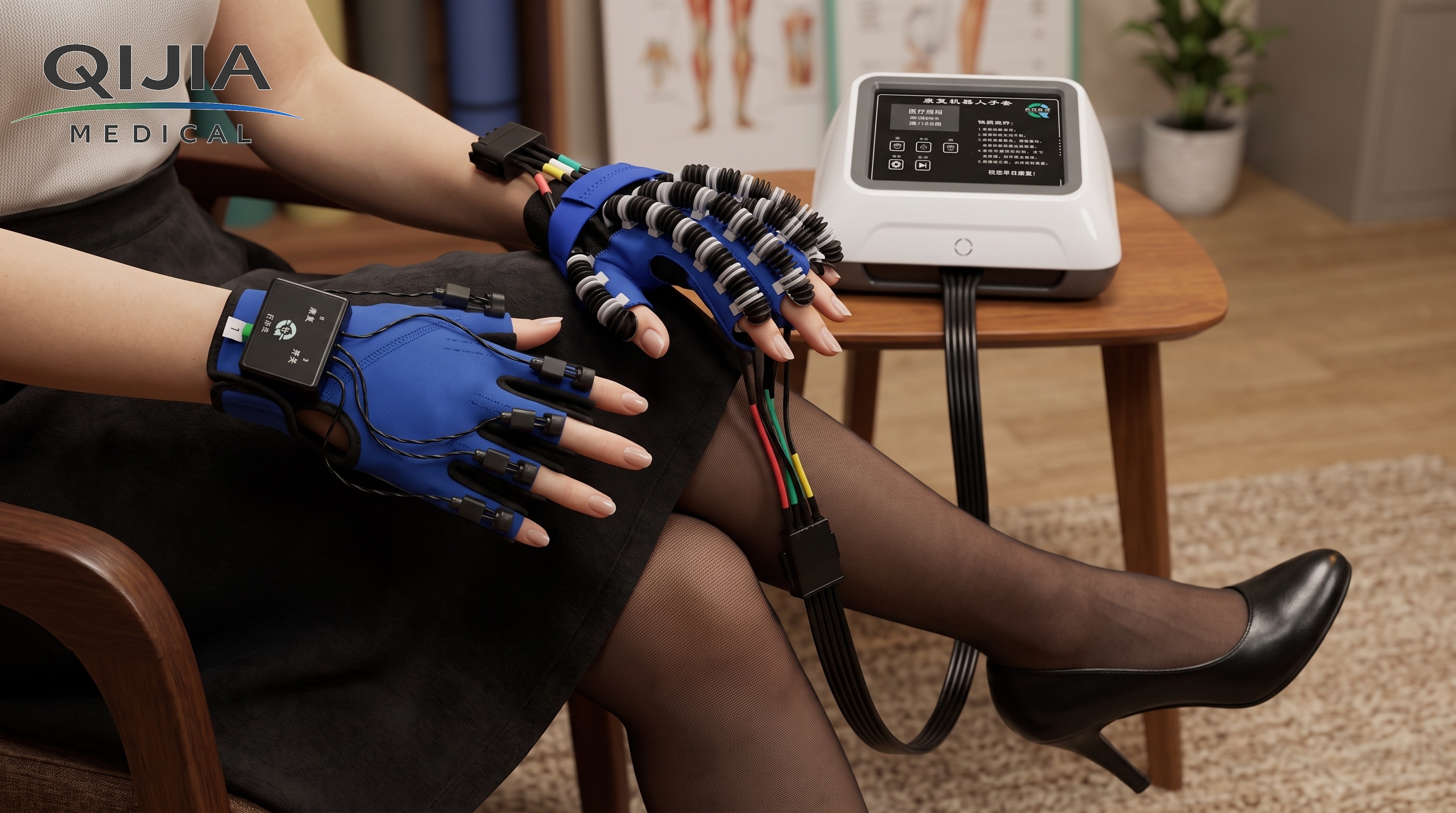
Supporting Global Healthcare Partners with OEM and ODM Solutions
As a professional medical equipment manufacturer, QIJIA Medical provides rehabilitation equipment solutions for hospitals, clinics, and healthcare distributors worldwide.
With OEM and ODM capabilities, QIJIA supports global partners with customized medical rehabilitation solutions, professional manufacturing experience, and comprehensive cooperation services.
Learn more about our company and medical equipment solutions:QIJIA Medical OEM/ODM Services
Conclusion: Better Assessment Leads to Better Rehabilitation Planning
For patients with stroke, Parkinson’s disease, and other neurological disorders, movement recovery is often a long-term process that requires professional assessment, continuous training, and personalized rehabilitation strategies.
Advanced limb rehabilitation assessment and coordination training systems provide healthcare professionals with powerful tools to improve rehabilitation efficiency and support better patient outcomes.
If you are looking for a reliable rehabilitation equipment solution or cooperation opportunity, contact QIJIA Medical:Kontakt QIJIA Medical
Häufig gestellte Fragen (FAQ)
1. What conditions can benefit from limb rehabilitation training?
Limb rehabilitation training is commonly used for patients with stroke recovery, Parkinson’s disease, neurological injuries, spinal cord injuries, and other conditions affecting movement and coordination.
2. Why is movement assessment important in rehabilitation?
Movement assessment helps therapists understand a patient’s functional ability, identify limitations, and create more targeted rehabilitation programs.
3. Can this system be used in hospitals and rehabilitation centers?
Yes. The limb rehabilitation assessment and coordination training system is designed for professional healthcare environments including hospitals, rehabilitation clinics, and therapy centers.
4. How does rehabilitation training help stroke patients?
Regular rehabilitation training helps patients practice repeated movements, improve coordination, enhance functional ability, and support recovery of daily activities.
5. Does QIJIA Medical provide OEM and ODM services?
Yes. QIJIA Medical provides OEM and ODM cooperation options for global distributors, hospitals, and healthcare partners.