Tel:+86 156 6640 9852
Email: lianlianzhng@gmail.com

Speziell für Forschung und Entwicklung, Produktion und Vertrieb von Produkten im Zusammenhang mit der Rehabilitation von Gliedmaßen, Atemwegsrehabilitation und neurologischer RehabilitationSpeziell für Forschung und Entwicklung

Compare airway suctioning, HFCWO, cough assist, and chest physiotherapy. Learn how different airway clearance techniques help manage retained secretions in critical care.
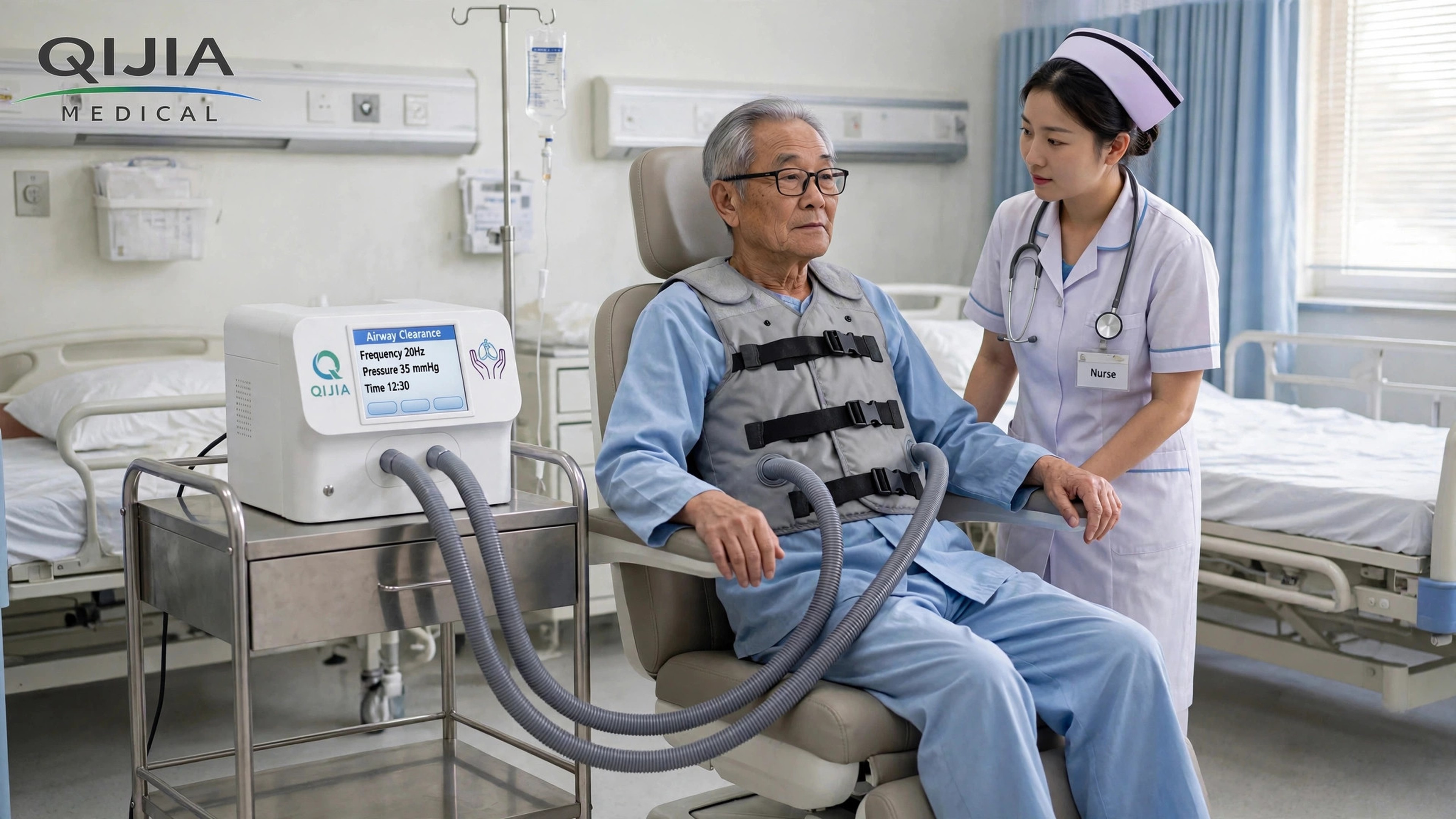
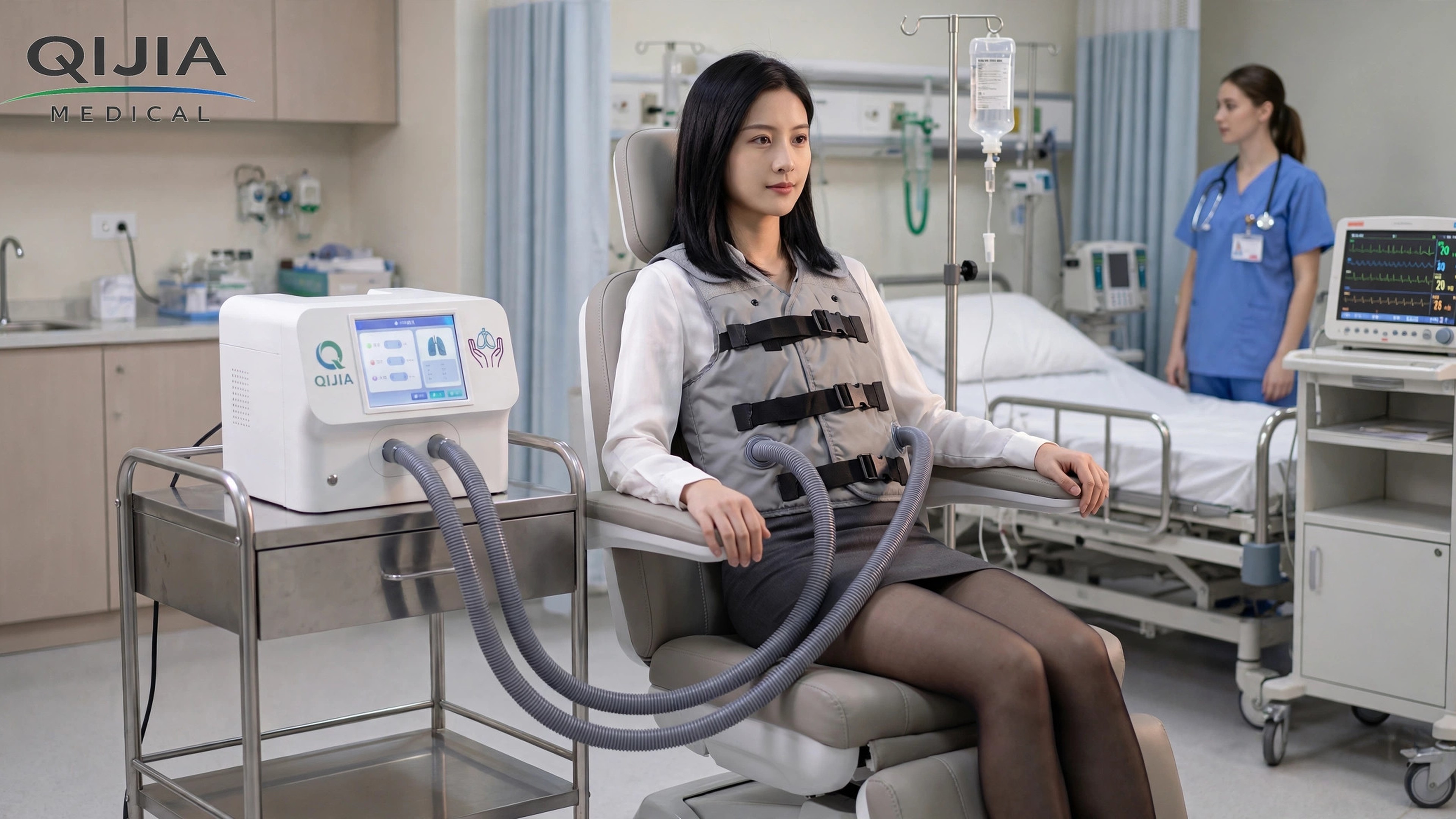
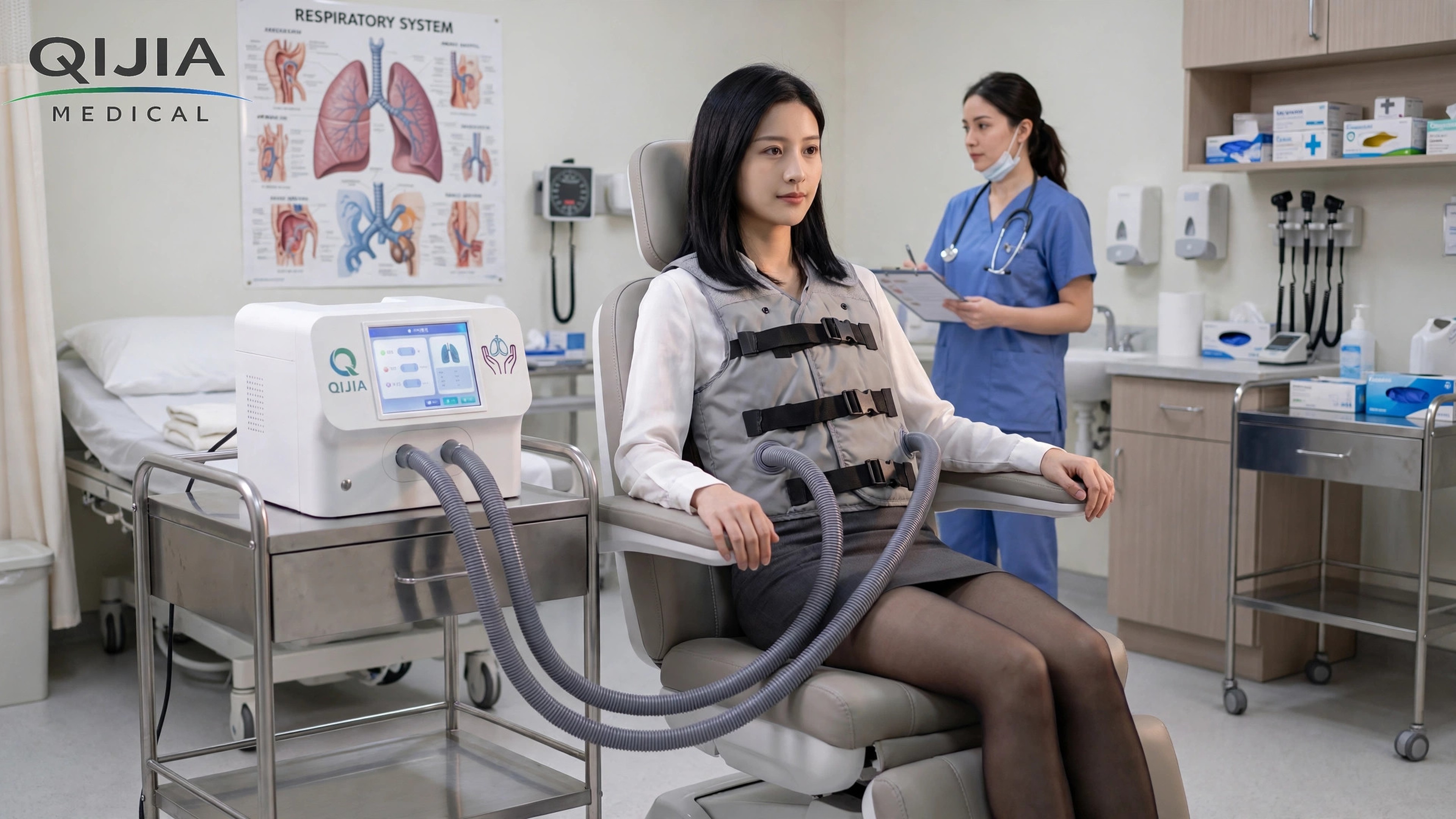
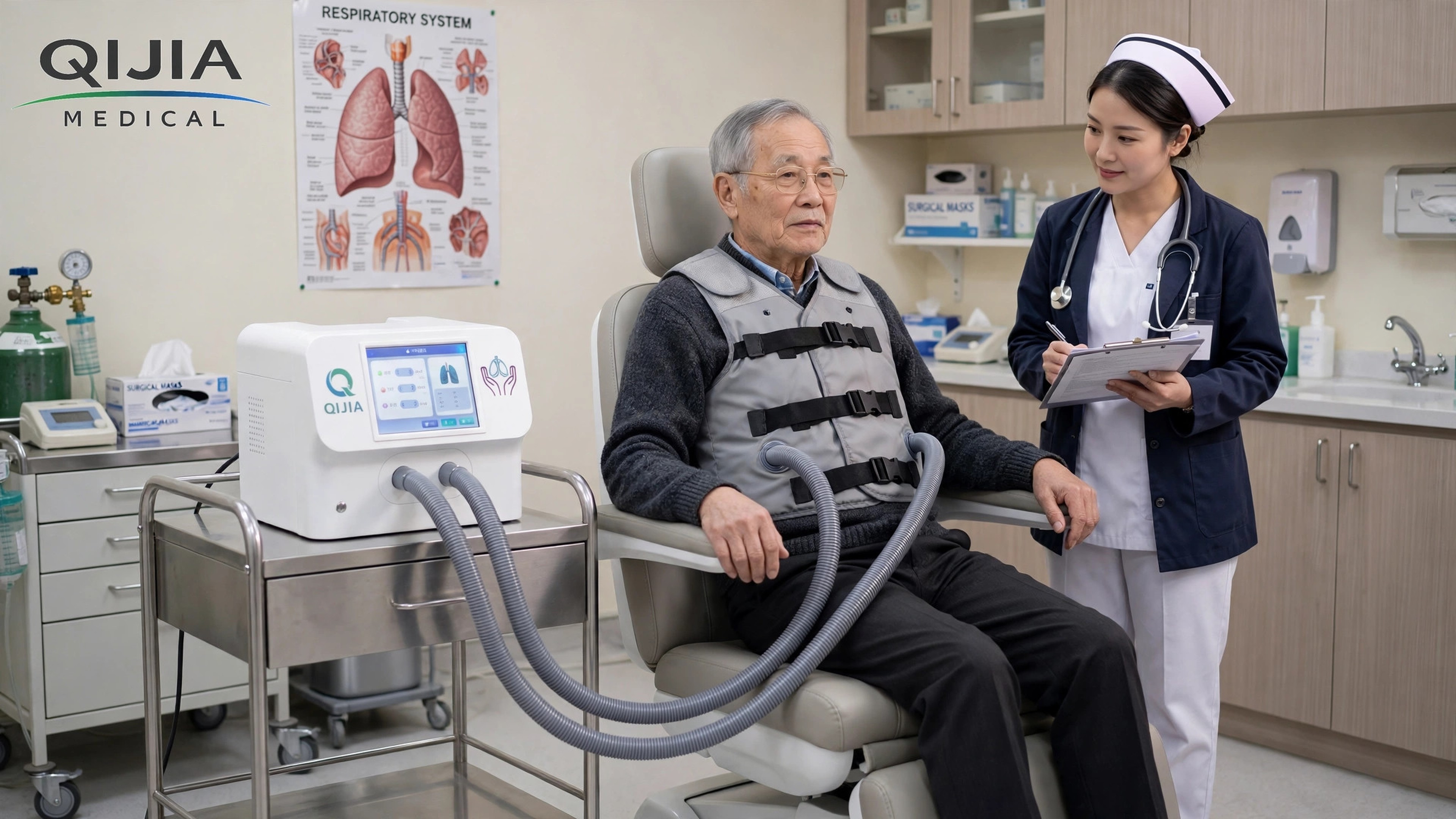
Learn how HFCWO technology uses chest wall oscillations to mobilize airway secretions, reduce mucus retention, and support effective respiratory care.
Discover how mucociliary clearance protects the lungs, why mucus becomes difficult to remove in critically ill patients, and how HFCWO technology supports airway secretion mobilization.
Learn why airway secretion retention threatens ICU patients, how mucus accumulation affects respiratory function, and how HFCWO technology supports airway secretion mobilization.
Discover the impact of chronic pain, migraine and neuropathic pain on daily life. Learn how Transcranial Magnetic Stimulation (TMS) is being explored as a non-invasive neuromodulation approach for pai
Learn how stroke, Parkinson's disease and brain injuries affect neurological function. Explore TMS neuromodulation technology and its emerging role in neurological rehabilitation.
Explore the risks of depression, anxiety and emotional disorders, understand their impact on mental health, and discover how Transcranial Magnetic Stimulation (TMS) supports modern neuromodulation tre
Learn how weak cough function, mucus retention, and respiratory muscle weakness affect children and infants. Discover how Cough Assist Devices may support airway clearance in selected pediatric patien
Learn why critically ill and mechanically ventilated patients may struggle to clear airway secretions, how ineffective cough increases respiratory risks, and how a Cough Assist Device may support indi
Explore how COPD, bronchiectasis, cystic fibrosis, and chronic airway diseases affect mucus clearance. Learn when a Cough Assist Device may help patients with ineffective cough.
Discover how rare genetic disorders such as congenital myopathies, Pompe disease, and congenital muscular dystrophy can affect cough strength and airway clearance, and how Cough Assist Devices support
Learn how neurological disorders and central nervous system injuries can impair cough function, increase mucus retention and respiratory infection risks, and how Cough Assist Devices support airway cl
Explore how neuromuscular diseases weaken respiratory muscles and cough function, increasing the risk of secretion retention and respiratory infections. Learn how Cough Assist Devices support airway c
Learn how cough assist devices support airway clearance in elderly and bedridden patients with weak cough, respiratory muscle weakness, and secretion retention.
Learn why postoperative airway clearance matters, how surgery can affect breathing and coughing, and how appropriate respiratory care may support recovery in selected patients.
Learn how to maintain consistent airway clearance care from hospital to home, reduce secretion-related risks, train caregivers, and support safer respiratory care with HFCWO technology.
Learn how to evaluate an airway clearance system for clinical use, including patient suitability, safety precautions, treatment settings, ease of operation, maintenance, and supplier support.
Discover why airway clearance matters in pulmonary rehabilitation, how retained mucus affects respiratory function, and how HFCWO technology can support selected patients.
Learn why airway clearance can become difficult after surgery, how retained secretions may increase pulmonary risks, and how respiratory care supports recovery.
Learn how ALS-related cough weakness affects airway clearance and how cough assist devices can support secretion management in suitable patients.