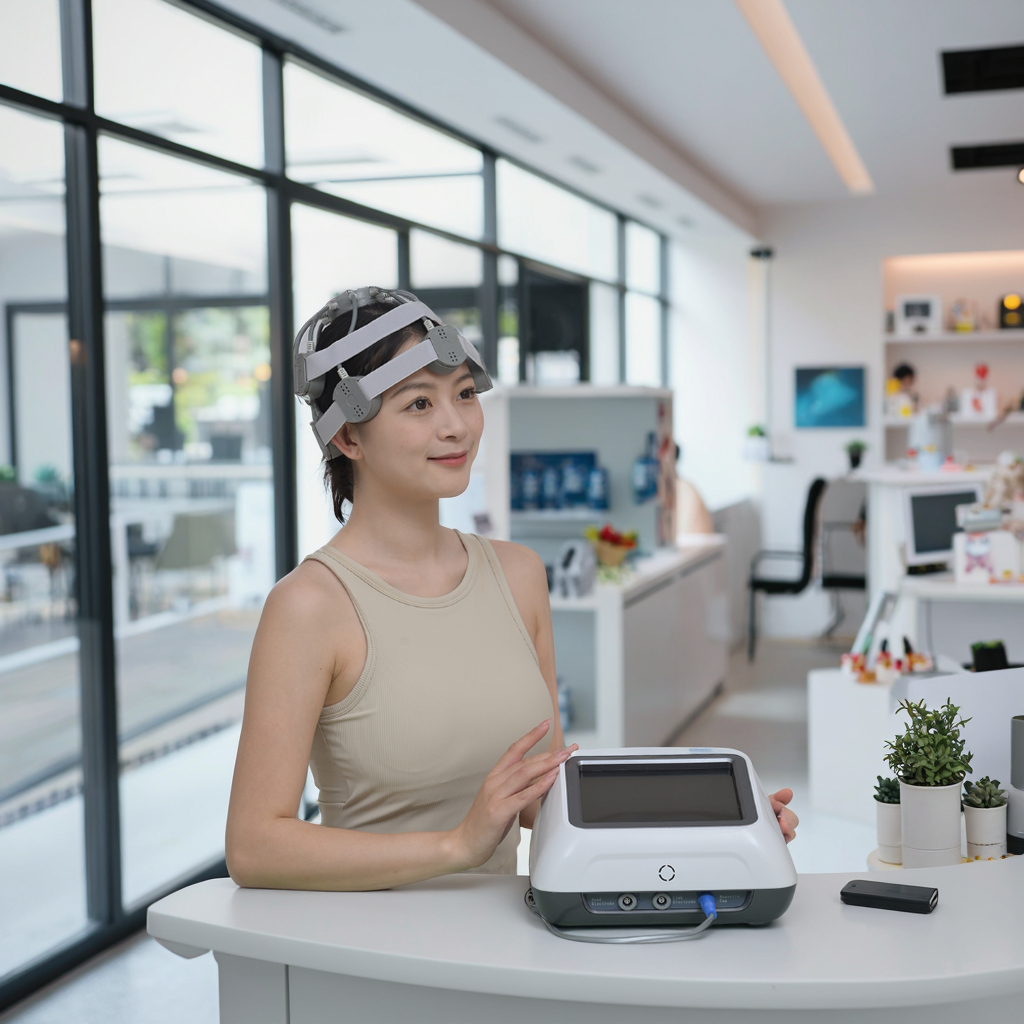
In today’s fast-paced world, mental health challenges like depression and insomnia have become increasingly prevalent, affecting millions of people across all age groups. For those struggling with these conditions, finding safe, effective, and non-invasive treatment options is a top priority. Enter QIJIA’s transcranial magnetic stimulation machine rtms — a cutting-edge device that combines weak magnetic repetitive transcranial magnetic stimulation with TDCS (transcranial direct current stimulation) functionality, offering a gentle yet powerful approach to transcranial magnetic therapy. Designed to target the root causes of mental health struggles, QIJIA’s device is redefining how we approach stimulation for Depression And insomnia, making advanced brain care more accessible than ever before.
What Is Repetitive Transcranial Magnetic Stimulation (rTMS), and How Does QIJIA’s Weak Magnetic Device Work?
Repetitive transcranial magnetic stimulation, commonly known as rTMS, is a non-invasive neuromodulation technique that uses magnetic pulses to stimulate specific regions of the brain. Unlike traditional high-intensity TMS devices, QIJIA’s focus on weak magnetic technology ensures a comfortable experience with minimal side effects, making it suitable for long-term use and a wider range of users. The device operates on the principle of electromagnetic induction, delivering precise, low-intensity magnetic pulses that penetrate the skull without discomfort, regulating neuronal activity in areas of the brain linked to mood, sleep, and emotional regulation — a key aspect of rtms brain stimulation.
Complementing its core weak magnetic rTMS functionality, QIJIA’s device also integrates TDCS technology. TDCS uses a low, constant direct current to further modulate brain activity, working in synergy with rTMS to enhance therapeutic outcomes. This dual functionality sets QIJIA apart, offering a comprehensive transcranial rtms and TDCS solution that addresses both depression and insomnia at the neural level. Whether used alone or in combination, these technologies work to restore balance to the brain, alleviating symptoms and improving overall mental well-being.
Targeted Conditions: Depression, Insomnia, and Beyond
QIJIA’s transcranial magnetic stimulation machine rtms is primarily designed to address two of the most common mental health conditions: depression and insomnia. These conditions often go hand in hand — depression can disrupt sleep patterns, while chronic insomnia can exacerbate depressive symptoms — creating a cycle that is difficult to break without targeted intervention. QIJIA’s device directly addresses this cycle through depression transcranial magnetic stimulation and targeted stimulation for Depression And insomnia, offering a holistic solution.
Depression: For individuals living with depression, QIJIA’s repetitive transcranial magnetic stimulation targets the dorsolateral prefrontal cortex (DLPFC), a brain region associated with mood regulation. The weak magnetic pulses stimulate neuronal activity in this area, helping to increase levels of neurotransmitters like serotonin and dopamine, which are often depleted in those with depression. Clinical studies have shown that rTMS can significantly reduce depressive symptoms, including persistent sadness, loss of interest, fatigue, and feelings of hopelessness — making it an effective alternative or complement to traditional medication.
Insomnia: Insomnia, characterized by difficulty falling asleep, staying asleep, or poor sleep quality, is another key focus of QIJIA’s transcranial magnetic therapy. The device’s weak magnetic pulses target brain regions involved in sleep-wake cycles, helping to regulate circadian rhythms and promote deeper, more restful sleep. By calming overactive brain activity and enhancing relaxation responses, QIJIA’s rtms brain stimulation helps users achieve consistent, quality sleep, which is essential for mental and physical health.
Who Can Benefit from QIJIA’s rTMS Device?
QIJIA’s weak magnetic rTMS device is designed for a diverse range of users, making it accessible to those who need it most. The key人群 that can benefit include:
Adults with Mild to Moderate Depression: Individuals who experience depressive symptoms but prefer non-pharmaceutical treatments, or those who have not responded well to antidepressant medications. This includes people with treatment-resistant depression, a condition that affects a significant portion of those with depression.
Chronic Insomnia Sufferers: Those who struggle with long-term sleep issues, including insomnia caused by stress, anxiety, depression, or other mental health conditions. This also includes individuals with comorbid depression and anxiety, who often experience more severe sleep disturbances.
Professionals and High-Stress Individuals: People with demanding careers or lifestyles that lead to chronic stress, anxiety, and sleep disruption. QIJIA’s device offers a convenient way to manage stress and improve sleep without disrupting daily routines.
Elderly Adults: The gentle weak magnetic technology is safe for older adults, who may be more sensitive to high-intensity treatments or medications. It can help alleviate age-related sleep issues and mild depressive symptoms without adverse effects.
Individuals with Anxiety Comorbidities: Those who experience anxiety alongside depression or insomnia, as QIJIA’s dual rTMS and TDCS functionality also helps regulate anxiety-related brain activity.
It is important to note that QIJIA’s device is not intended for individuals with certain contraindications, such as those with implanted metal devices (e.g., pacemakers), a history of seizures, or severe brain injuries — consistent with standard rTMS safety guidelines.
Versatile Use Scenarios: From Clinical Settings to Home Care
One of the key advantages of QIJIA’s transcranial magnetic stimulation machine rtms is its versatility, making it suitable for both clinical and home use. This flexibility ensures that users can access transcranial rtms therapy in a setting that works best for their needs:
Clinical Settings (Hospitals, Mental Health Clinics): QIJIA’s device is widely used by mental health professionals, neurologists, and therapists to provide targeted treatment for patients with depression and insomnia. In clinical settings, the device can be customized to each patient’s specific needs, with professionals adjusting stimulation parameters (intensity, frequency, duration) to optimize outcomes. It is often used as part of a comprehensive treatment plan, alongside therapy or medication.
Home Use: QIJIA’s user-friendly design makes it easy for individuals to use the device in the comfort of their own homes. The lightweight, portable design and simple interface allow users to follow pre-programmed treatment protocols, with clear instructions to ensure safe and effective use. Home use is ideal for those who prefer privacy, have busy schedules, or live in areas without easy access to clinical rTMS services. Each home session typically lasts 20-30 minutes, making it easy to integrate into daily routines.
Wellness Centers and Spas: As mental wellness becomes a priority, many wellness centers and spas are incorporating QIJIA’s transcranial magnetic therapy into their offerings. The device provides a non-invasive way to reduce stress, improve sleep, and enhance overall mental clarity, appealing to individuals looking to prioritize self-care.
Why Choose QIJIA’s Weak Magnetic rTMS Device?
With numerous transcranial magnetic stimulation options available, QIJIA stands out for its commitment to safety, effectiveness, and user comfort. Here’s what makes QIJIA’s device unique:
Weak Magnetic Technology: The focus on weak magnetic pulses ensures a comfortable experience, with no pain, discomfort, or side effects like headaches (a common issue with high-intensity TMS). This makes the device suitable for long-term use and a wider range of users.
Dual Functionality (rTMS + TDCS): By combining repetitive transcranial magnetic stimulation with TDCS, QIJIA offers a more comprehensive treatment approach, targeting multiple aspects of brain function to improve outcomes for depression and insomnia.
User-Friendly Design: Whether for clinical or home use, QIJIA’s device is easy to operate, with intuitive controls and pre-programmed treatment modes. The compact, portable design makes it convenient to use anywhere, anytime.
Proven Efficacy: QIJIA’s transcranial magnetic therapy is backed by clinical research, showing significant improvements in depressive symptoms and sleep quality. The device’s ability to target specific brain regions ensures that treatment is precise and effective, with sustained benefits over time.
Safety and Reliability: As a trusted brand in medical devices, QIJIA adheres to strict quality standards, ensuring that its rTMS device is safe, reliable, and compliant with global medical regulations. The non-invasive nature of the technology eliminates the risks associated with surgical interventions or medication side effects.
Final Thoughts: A New Era of Non-Invasive Mental Health Care
Depression and insomnia should not hold you back from living a full, healthy life. QIJIA’s transcranial magnetic stimulation machine rtms offers a safe, effective, and non-invasive solution that combines the power of weak magnetic repetitive transcranial magnetic stimulation with TDCS, targeting the root causes of these conditions. Whether you’re seeking treatment in a clinical setting or the comfort of your home, QIJIA’s device provides a versatile, user-friendly option for improving mental well-being.
If you’re ready to take control of your mental health and experience the benefits of transcranial magnetic therapy, QIJIA’s rTMS device is here to help. Say goodbye to the cycle of depression and insomnia, and hello to a calmer, more restful, and balanced life — all with the power of gentle, targeted rtms brain stimulation.