







QIJIA Robotic Hand Rehabilitation Gloves: Innovating Recovery for Stroke and Orthopedic Patients
For individuals recovering from hand impairments—whether due to stroke, orthopedic injuries, or neurological conditions—regaining hand function is a vital step toward reclaiming independence and quality of life. Traditional physical therapy often relies on repetitive manual exercises, which are labor-intensive for therapists and can be tedious or ineffective for patients. As a professional factory specializing in rehabilitation equipment, QIJIA has transformed physical therapy rehabilitation gloves with its cutting-edge robotic technology, offering a range of solutions includinghand rehabilitation gloves, stroke rehabilitation gloves, bionic robotic glove rehabilitation / orthopedic devices, and soft hand rehabilitation robotic gloves for stroke. Designed with both medical and home use in mind, QIJIA’s customizable robotic gloves make effective hand rehabilitation accessible, efficient, and comfortable.
Why Robotic Hand Rehabilitation Gloves Are a Game-Changer in Physical Therapy
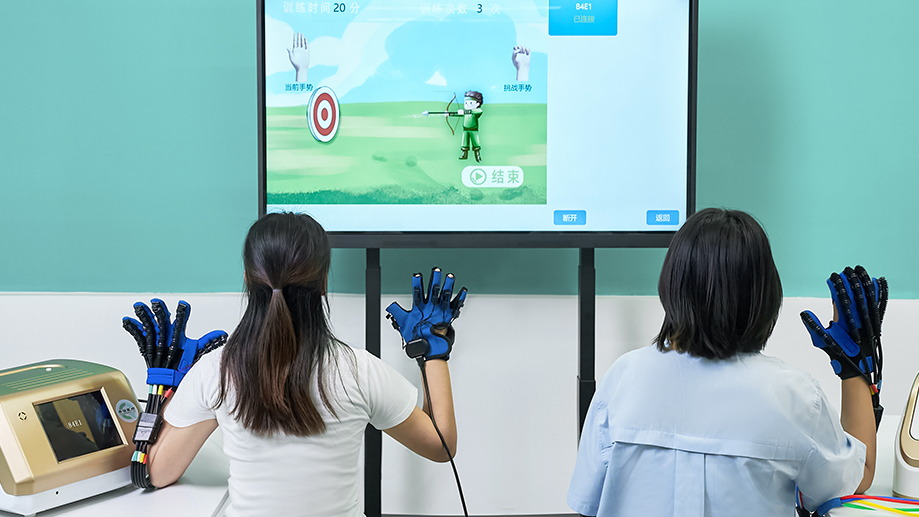
Hand function is integral to daily activities—from buttoning a shirt and holding a cup to typing and cooking. When hand mobility, strength, or coordination is impaired, even simple tasks become overwhelming. Physical therapy rehabilitation gloves play a critical role in bridging this gap, but traditional gloves lack the precision and adaptability needed to address individual patient needs. This is where QIJIA’s robotic rehabilitation gloves stand out: they leverage advanced bionic and soft robotic technology to mimic natural hand movements, delivering targeted, repetitive training that promotes neuroplasticity and muscle recovery.
Unlike manual therapy, QIJIA’shand rehabilitation gloves provide consistent, controlled movements that can be tailored to each patient’s recovery stage—from passive stretching for severe impairments to active resistance training for improving strength. As a dedicated factory, QIJIA understands that effective rehabilitation requires comfort and compliance, which is why its soft hand rehabilitation robotic gloves for stroke are made with flexible, breathable materials that conform to the hand’s natural shape, avoiding the discomfort and restriction of rigid designs. This focus on patient-centric design not only boosts adherence to therapy but also accelerates recovery, helping patients regain hand function faster and more effectively.
QIJIAs Robotic Gloves: Ideal Applicable Groups and Conditions
QIJIA’s diverse range of robotic rehabilitation gloves—including stroke rehabilitation gloves,bionic robotic glove rehabilitation / orthopedic models, and soft hand rehabilitation robotic gloves for stroke—are specifically engineered to support patients with a variety of hand impairments. The primary applicable groups and conditions include:
1. Stroke Survivors
Stroke is one of the leading causes of hand impairment, often resulting in muscle weakness, spasticity, or loss of coordination. QIJIA’s stroke rehabilitation gloves and soft hand rehabilitation robotic gloves for stroke are designed to address these challenges by delivering gentle, targeted movements that stretch tight muscles, strengthen weak ones, and retrain the brain to control hand movements. The soft robotic design avoids joint damage, making it safe for patients with spastic contractures, while the bionic technology mimics natural finger flexion and extension to promote neuroplasticity. These gloves are a cornerstone of post-stroke hand rehabilitation, helping patients regain the ability to perform daily tasks independently.
2. Orthopedic Patients
Patients recovering from orthopedic hand injuries—such as fractures, tendon tears, or joint replacement—require controlled rehabilitation to restore mobility and strength without re-injury. QIJIA’s bionic robotic glove rehabilitation / orthopedic gloves are ideal for this purpose: they provide precise, low-impact movements that support tissue healing while gradually improving range of motion. The customizable design allows therapists to adjust the glove’s movement range and intensity, ensuring therapy aligns with each patient’s recovery plan, whether they’re in the acute phase or long-term rehabilitation.
3. Patients with Neurological Disorders
Individuals with neurological conditions like Parkinson’s disease, multiple sclerosis, or spinal cord injuries often experience hand tremors, stiffness, or loss of dexterity. QIJIA’s hand rehabilitation gloves offer a non-invasive solution, using soft robotic technology to stabilize movements, reduce tremors, and improve coordination. The gloves’ gentle, repetitive training helps maintain muscle function and slow the progression of impairment, enhancing patients’ quality of life.
4. Physical Therapy Patients in Clinical and Home Settings
Whether in a hospital, clinic, or home environment, QIJIA’s physical therapy rehabilitation gloves adapt to diverse settings. They are suitable for patients of all ages, from children recovering from congenital hand conditions to elderly individuals regaining function after illness or injury. The gloves’ user-friendly design makes them easy to use without constant supervision, making home rehabilitation feasible and effective.
The Evolution of Robotic Hand Rehabilitation Gloves: QIJIA’s Role as a Leading Factory
The journey of hand rehabilitation technology has evolved significantly over the decades, and QIJIA has been at the forefront of this progress as a dedicated factory. In the 1960s, early rehabilitation devices focused on rigid exoskeletons, primarily designed for military use, but by the 1980s, research shifted to medical applications, with the first robotic aids for stroke patients emerging. These early models were bulky, rigid, and limited in functionality, often causing discomfort and restricting natural hand movements.
The 1990s and 2000s saw a breakthrough with the development of soft robotic technology and bionic designs, which prioritized comfort and natural movement. Researchers began using flexible materials and pneumatic actuators to create gloves that conform to the hand’s shape, reducing pressure and improving usability. By the 2010s, soft robotics became mainstream, with advancements in sensor technology and AI allowing for more personalized, adaptive rehabilitation.
As a factory with years of experience in rehabilitation equipment manufacturing, QIJIA has embraced and refined these innovations. QIJIA’s engineering team has optimized its bionic robotic glove rehabilitation / orthopedic devices and soft hand rehabilitation robotic gloves for stroke to address the limitations of earlier models. Today’s QIJIA gloves feature lightweight, breathable materials, precise movement control, and intuitive interfaces, making them suitable for both medical and home use. The factory’s commitment to research and development ensures that its products stay ahead of industry trends, integrating the latest advancements in bionic and soft robotic technology to deliver superior rehabilitation outcomes.
QIJIAs Dual Versions: Medical and Home Use, Fully Customizable
Recognizing that rehabilitation needs vary across settings, QIJIA offers both medical and home versions of its robotic hand rehabilitation gloves, all fully customizable to meet individual patient needs—an advantage that sets QIJIA apart as a patient-centric factory.
1. Medical Version (Clinical Use)
QIJIA’s medical-grade hand rehabilitation gloves—including stroke rehabilitation gloves and bionic robotic glove rehabilitation / orthopedic models—are designed for hospitals, clinics, and rehabilitation centers. These gloves feature advanced sensors and adjustable parameters, allowing therapists to monitor patient progress, customize training programs, and adjust movement intensity, range, and speed in real time. They support multiple training modes (passive, active, assistive, and resistive) to accommodate patients at every recovery stage, from severe impairment to independent function. The medical version is also equipped with data storage capabilities, enabling therapists to track long-term progress and optimize treatment plans.
2. Home Version (Home Rehabilitation)
QIJIA’s home version physical therapy rehabilitation gloves and soft hand rehabilitation robotic gloves for stroke are designed for convenience and ease of use, allowing patients to continue rehabilitation in the comfort of their own homes. These gloves are lightweight, portable, and equipped with simple, one-touch controls, making them accessible even for patients with limited dexterity. They come with preset training programs tailored to common conditions (such as post-stroke recovery and orthopedic rehabilitation) and can be connected to a mobile app for progress tracking and remote guidance from therapists. The home version maintains the same high quality and efficacy as the medical version, ensuring patients receive consistent therapy outside of clinical settings.
3. Customization Options
As a flexible factory, QIJIA understands that every patient’s hand size, impairment type, and recovery goals are unique. That’s why all QIJIAhand rehabilitation gloves—including stroke rehabilitation gloves and bionic robotic glove rehabilitation / orthopedic models—offer full customization. Customization options include glove size (from pediatric to adult), material (breathable, hypoallergenic fabrics), movement range (adjusted to accommodate joint stiffness or limited mobility), and training modes (tailored to specific impairments like spasticity or weakness). QIJIA’s team works closely with healthcare providers and patients to create personalized solutions that maximize comfort and rehabilitation efficacy, ensuring the gloves fit perfectly and address individual needs.
QIJIAs Commitment: Quality, Innovation, and Accessibility
What sets QIJIA apart as a factory specializing in robotic hand rehabilitation gloves is its unwavering commitment to quality, safety, and innovation. QIJIA controls every step of the production process—from sourcing high-quality materials to rigorous testing and quality control—ensuring that every hand rehabilitation glove, stroke rehabilitation glove, and soft hand rehabilitation robotic glove for stroke meets international medical standards. The factory’s team of engineers and medical experts collaborates closely to refine products, incorporating feedback from therapists and patients to improve usability and efficacy.
QIJIA’s robotic gloves stand out for their key features: soft, ergonomic design for maximum comfort, precise bionic movements that mimic natural hand function, adjustable training parameters, and compatibility with both clinical and home settings. The factory’s focus on customization and dual versions ensures that its products are accessible to a wide range of patients, from those in acute clinical care to those recovering at home.
Final Thoughts: Regaining Independence with QIJIA’s Robotic Rehabilitation Gloves
For patients recovering from hand impairments, QIJIA’s robotic hand rehabilitation gloves are more than just medical devices—they are tools for regaining independence, confidence, and quality of life. As a trusted factory, QIJIA has redefined physical therapy rehabilitation gloves with its innovative hand rehabilitation gloves, stroke rehabilitation gloves, bionic robotic glove rehabilitation / orthopedic devices, and soft hand rehabilitation robotic gloves for stroke.
Whether you’re a healthcare provider seeking reliable, customizable rehabilitation tools for your patients or a patient looking to continue recovery at home, QIJIA’s dual-version, customizable gloves deliver consistent, proven results. Backed by decades of manufacturing expertise and a commitment to innovation, QIJIA continues to lead the way in making advanced hand rehabilitation technology accessible to patients worldwide, helping them reclaim the freedom to use their hands with confidence.