







Cough Assist Device for Patients with Breathing and Secretion Clearance Difficulties: Why Effective Cough Matters
Breathing is something most people do without thinking. Coughing is also a natural protective mechanism that helps the body remove mucus, secretions, and foreign material from the airways. However, when a person becomes too weak to cough effectively, respiratory secretions can gradually accumulate in the airways and create a serious health concern.
This problem can occur in many different populations, including older adults, children with neurological or neuromuscular conditions, patients recovering from illness or surgery, and people with respiratory muscle weakness. In these situations, the problem is not always that the body produces too much mucus. Sometimes, the patient simply does not have enough cough strength to clear it.
When natural coughing becomes ineffective, airway clearance becomes an important part of respiratory care. A cough assist device, also known as a mechanical insufflation-exsufflation (MI-E) device, is designed to assist the patient's cough by delivering positive pressure followed by rapid negative pressure.
This article explains why ineffective coughing can become dangerous, which patients may be more vulnerable to secretion retention, and how cough assistance can become part of a broader respiratory care strategy.
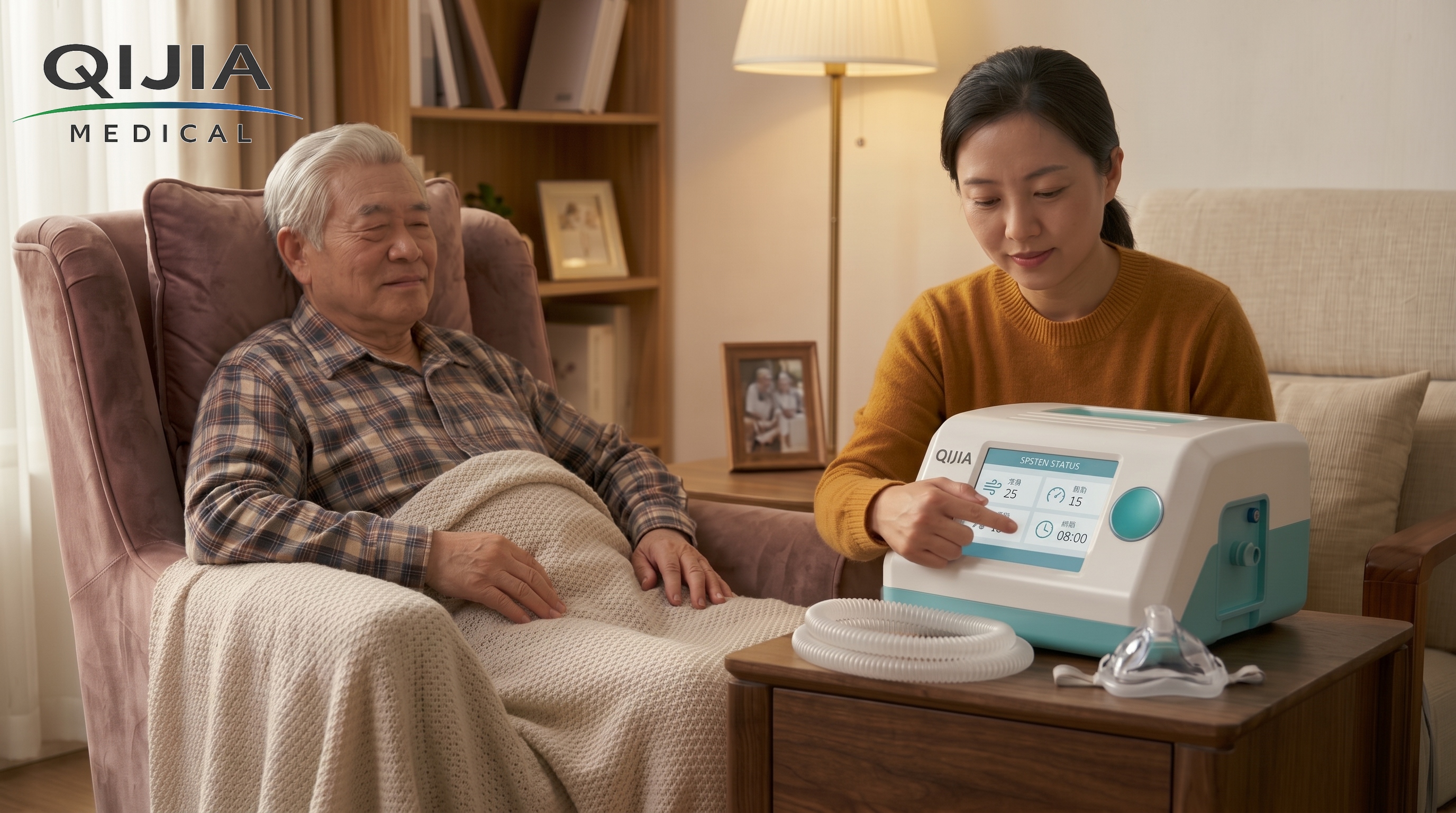
Why Is an Effective Cough So Important?
Coughing is one of the body's natural airway protection mechanisms. When mucus or other material enters the airway, an effective cough helps move it toward the upper airway so that it can be expelled.
For a healthy person with normal respiratory muscle strength, this process usually happens automatically. But coughing requires coordinated action from the respiratory muscles, abdominal muscles, chest muscles, airway muscles, and nervous system.
If these muscles become weak or the patient cannot coordinate an effective cough, secretions may remain in the lower respiratory tract.
Over time, retained secretions may contribute to:
Airway obstruction and mucus plugging
Difficulty clearing sputum
Increased work of breathing
Atelectasis or partial collapse of lung tissue
Recurrent respiratory infections
Pneumonia and other respiratory complications
Increased need for medical intervention or hospitalization
Clinical guidance for patients with neuromuscular weakness emphasizes the importance of airway clearance when cough effectiveness is reduced. Mechanical insufflation-exsufflation may be considered when other cough augmentation techniques are insufficient. citeturn0search2turn0search9
When Breathing Difficulty and Secretion Retention Occur Together
Breathing difficulty and ineffective coughing can create a difficult cycle.
A patient may initially have difficulty taking a deep breath. Because the inspiratory muscles are weak, the patient cannot generate sufficient lung volume before coughing. At the same time, weak expiratory muscles may prevent the patient from producing enough expiratory flow to move mucus out of the airway.
As secretions accumulate, breathing can become more difficult. The patient may become fatigued, and respiratory muscles may have to work harder. If the secretions are not effectively cleared, the situation can deteriorate further.
This is why respiratory care should not focus only on breathing support. For patients with ineffective cough, secretion clearance and cough assistance can also be important components of respiratory management.
Older Adults: Why Secretion Clearance Can Become More Difficult
Older adults may face several factors that make airway clearance more challenging.
Age-related changes in respiratory muscle strength, reduced physical activity, neurological conditions, swallowing difficulties, and prolonged periods of bed rest can all affect a person's ability to cough effectively.
Older patients recovering from infection, surgery, or prolonged hospitalization may also become physically weaker. A cough that was previously strong enough to clear secretions may become less effective during or after an illness.
Another concern is that some elderly patients may have difficulty recognizing or communicating their respiratory symptoms. A patient may simply appear tired, weak, or less active while secretions are gradually accumulating.
For caregivers and healthcare professionals, changes such as a weaker cough, increased sputum retention, noisy breathing, increased work of breathing, or repeated respiratory infections should not be ignored.
The goal of airway clearance is not simply to remove mucus after a problem occurs. Appropriate respiratory assessment and airway clearance strategies can help healthcare professionals identify patients who may need additional cough assistance.
Children with Weak Cough: A Special Respiratory Care Challenge
Children can also experience ineffective cough, particularly children with neurological or neuromuscular disorders.
Conditions associated with respiratory muscle weakness or impaired neurological control can make it difficult for a child to take a deep breath and produce a coordinated cough. Some children may also have difficulty cooperating with conventional airway clearance techniques.
Clinical recommendations for children with neurological impairment recognize that some patients may lack the ability to take deep breaths or produce an effective, coordinated cough. In children with ineffective cough, mechanical insufflation-exsufflation may be considered when tolerated and clinically appropriate. citeturn0search4
Examples of patient populations that may experience significant cough weakness include children with certain neuromuscular diseases, severe neurological impairment, spinal cord conditions, or other disorders affecting respiratory muscle function.
For these children, airway clearance may require a combination of approaches. Depending on the individual clinical situation, healthcare professionals may consider positioning, suctioning, assisted coughing, lung volume recruitment, airway clearance devices, and mechanical cough assistance.
Importantly, a cough assist device should not be viewed as a universal solution for every child with respiratory symptoms. Patient assessment, clinical indications, appropriate settings, contraindications, and caregiver training should be determined by qualified healthcare professionals.
Neuromuscular Weakness and Ineffective Cough
One of the most important populations associated with cough assist therapy is patients with neuromuscular weakness.
Neuromuscular diseases can affect the muscles responsible for inspiration and expiration. When respiratory muscles become weak, patients may have difficulty generating the airflow required for an effective cough.
Examples of conditions in which cough weakness may occur include:
Amyotrophic lateral sclerosis (ALS)
Spinal muscular atrophy (SMA)
Muscular dystrophy
Guillain-Barré syndrome
Spinal cord injury
Other neurological or neuromuscular disorders affecting respiratory muscle function
Healthcare guidance for neuromuscular weakness recommends considering cough augmentation techniques when cough effectiveness is reduced. Mechanical insufflation-exsufflation can be added when alternative techniques do not provide adequate improvement in secretion clearance. citeturn0search2turn0search13
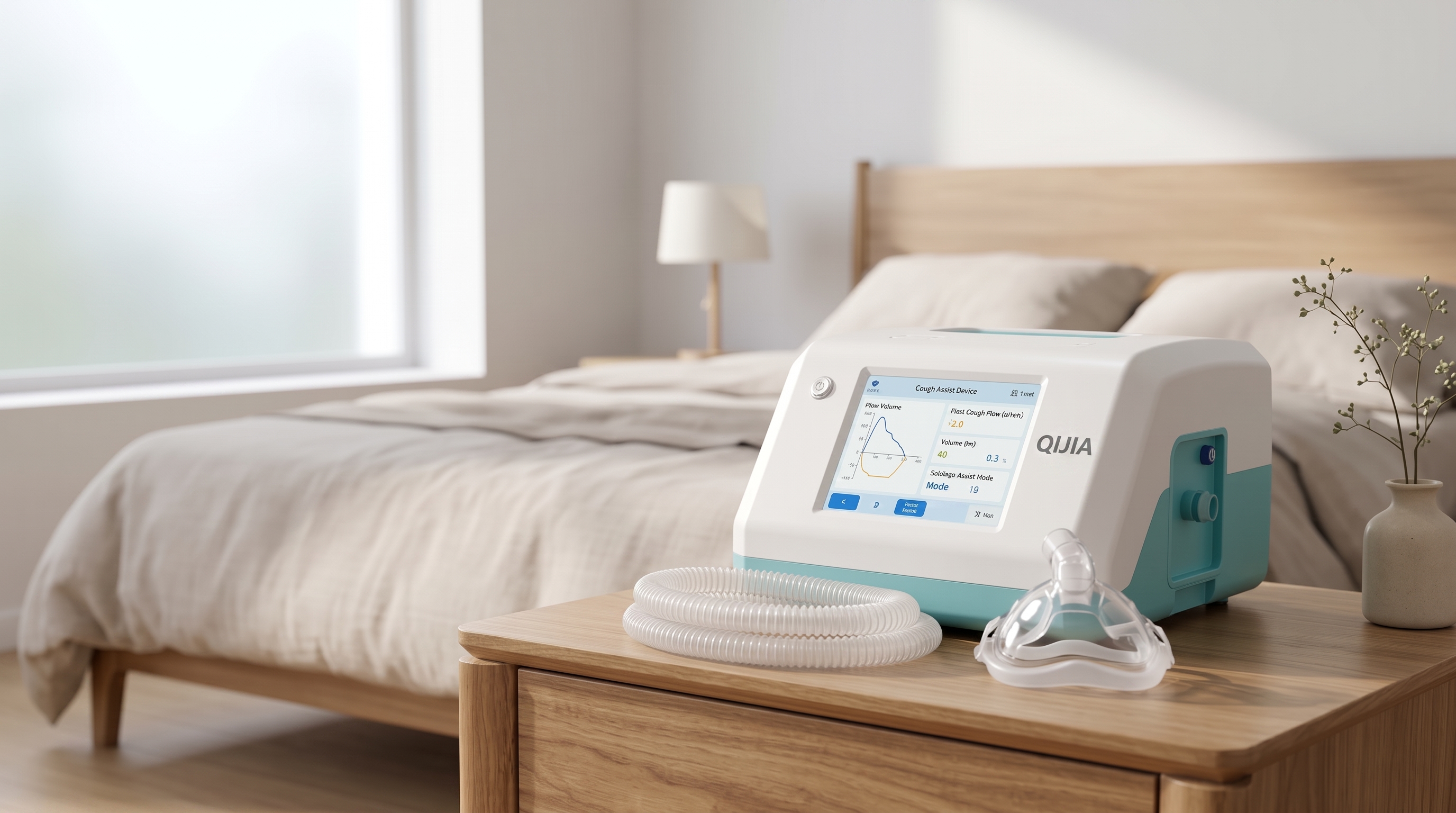
How Does a Cough Assist Device Work?
A cough assist device uses a principle called mechanical insufflation-exsufflation (MI-E).
Instead of relying entirely on the patient's own respiratory muscle strength, the device helps reproduce the pressure changes involved in a natural cough.
Insufflation: Positive pressure is delivered to help expand the lungs and increase lung volume.
Transition: The pressure changes from positive toward negative pressure.
Exsufflation: Rapid negative pressure generates expiratory airflow to assist the movement of secretions toward the upper airway.
Secretion clearance: Once secretions are moved toward the upper airway, they may be expelled through coughing or removed using appropriate suctioning techniques when clinically indicated.
The basic concept is to compensate for insufficient cough strength by mechanically assisting the inspiratory and expiratory phases of the cough.
For patients with neuromuscular weakness and reduced cough effectiveness, CHEST clinical guidance suggests mechanical insufflation-exsufflation when cough effectiveness cannot be adequately improved with alternative techniques. citeturn0search2
Cough Assist Device vs. Simply Suctioning Secretions
Suctioning and cough assistance are not necessarily interchangeable.
Suctioning can directly remove secretions that have reached an accessible part of the airway. However, patients with weak cough may have difficulty moving secretions from deeper parts of the respiratory tract toward the upper airway in the first place.
A cough assist device works differently. It is intended to assist the cough mechanism by generating positive and negative airway pressure, helping create expiratory airflow that can move secretions toward the upper airway.
In some clinical situations, mechanical cough assistance may therefore be used as part of a broader airway clearance strategy, potentially followed by suctioning when necessary.
Recent pediatric respiratory guidance similarly emphasizes that airway clearance techniques may need to be combined according to the child's condition, secretion burden, and ability to produce an effective cough. citeturn0search4
Who May Benefit From a Cough Assist Device?
A cough assist device is primarily relevant to patients who have an ineffective or weak cough and difficulty clearing respiratory secretions.
Potential clinical populations may include:
Patients with neuromuscular weakness
Patients with neurological disorders affecting cough function
Patients with spinal cord injuries
Children with severe neurological or neuromuscular impairment
Patients with reduced respiratory muscle strength
Patients experiencing recurrent secretion retention
Patients who cannot generate an adequate cough using conventional techniques
Selected patients requiring long-term respiratory care at home or in healthcare facilities
However, suitability depends on the individual patient. Mechanical cough assistance should be introduced according to clinical assessment, patient tolerance, airway condition, respiratory status, and professional medical guidance.
Why Early Attention to Ineffective Cough Matters
One of the biggest challenges in respiratory care is that secretion retention may not initially look like an emergency.
A patient may simply cough less strongly than before. A child may have difficulty clearing mucus during a respiratory infection. An older adult may become increasingly tired and have more difficulty expectorating sputum.
But when a weak cough is combined with respiratory muscle weakness, the patient's ability to clear the airway can be significantly reduced.
Recognizing the problem early allows healthcare professionals and caregivers to evaluate whether additional airway clearance techniques are necessary.
For patients with chronic neuromuscular weakness, respiratory management guidelines emphasize proactive airway clearance rather than waiting until secretion retention becomes severe. citeturn0search7turn0search11
Cough Assist Device in Hospitals, Rehabilitation Centers and Home Care
Cough assist technology can be considered in different respiratory care environments depending on the patient's needs and local clinical practice.
Hospitals
Hospitals may use cough assistance as part of respiratory care for selected patients with ineffective cough, respiratory muscle weakness, or secretion retention. It may be particularly relevant when conventional coughing is insufficient.
Rehabilitation Centers
Patients undergoing neurological or respiratory rehabilitation may experience reduced cough strength because of underlying neurological or muscular conditions. Airway clearance can therefore become an important part of comprehensive rehabilitation planning.
Long-Term Care and Nursing Facilities
Older adults and patients with chronic neurological conditions may require ongoing respiratory monitoring. A cough assist device may be considered when healthcare professionals determine that mechanical cough assistance is appropriate.
Home Respiratory Care
For selected patients requiring long-term respiratory support, cough assistance may also form part of a home airway clearance program. Training for caregivers and appropriate clinical supervision are important when using mechanical cough assistance outside the hospital.
The American Thoracic Society has noted that mechanical insufflation-exsufflation may help maintain airway patency in patients requiring home mechanical ventilation who have an ineffective cough, including patients with neuromuscular disease and poor respiratory muscle strength. citeturn0search0
Choosing the Right Cough Assist Machine
When evaluating a cough assist machine, healthcare providers, distributors, and procurement teams should consider more than the basic pressure function.
Important factors may include:
Positive and negative pressure control
Inspiratory and expiratory time adjustment
Patient comfort and tolerance
Interface options
Ease of operation
Safety features
Suitability for different healthcare environments
Availability of accessories
Maintenance and after-sales support
Training and technical support
For medical equipment distributors and healthcare organizations, supplier capability is also an important consideration. Product documentation, quality management systems, regulatory compliance, customization capability, and long-term technical support can all influence procurement decisions.
QIJIA MEDICAL provides cough assist solutions for healthcare and respiratory care applications. For product specifications and configuration information, please visit our Cough Assist Device product page.
Cough Assist Device for Global Healthcare Partners
As respiratory care requirements continue to evolve, hospitals, rehabilitation centers, nursing facilities, home-care providers, and medical distributors are increasingly looking for practical airway clearance solutions.
For distributors and healthcare equipment companies, the ability to provide suitable configurations for different markets can be just as important as the product itself.
QIJIA MEDICAL supports ODM and OEM cooperation for qualified global partners looking for customized medical equipment solutions. Depending on project requirements, cooperation may involve product configuration, branding, packaging, documentation, and other customization needs.
Learn more about our company and ODM/OEM cooperation.
Respiratory Secretion Clearance Should Not Be Overlooked
Difficulty breathing is an obvious respiratory concern, but difficulty clearing secretions can be equally important for patients with weak respiratory muscles.
For an elderly patient, a child with neurological impairment, or an adult with a neuromuscular disease, an ineffective cough may mean that the body cannot perform one of its most basic airway protection functions.
Recognizing weak cough early, assessing the patient's respiratory condition, and selecting an appropriate airway clearance strategy can help healthcare professionals manage respiratory care more effectively.
A cough assist device does not replace medical diagnosis or treatment. Instead, mechanical insufflation-exsufflation can be considered as one component of a comprehensive airway clearance strategy for appropriately selected patients.
If you are looking for a cough assist machine for a hospital, rehabilitation center, nursing facility, home-care program, or medical distribution business, our team can provide product information and cooperation details.
Contact QIJIA MEDICAL for Cough Assist Device Information and Global Cooperation
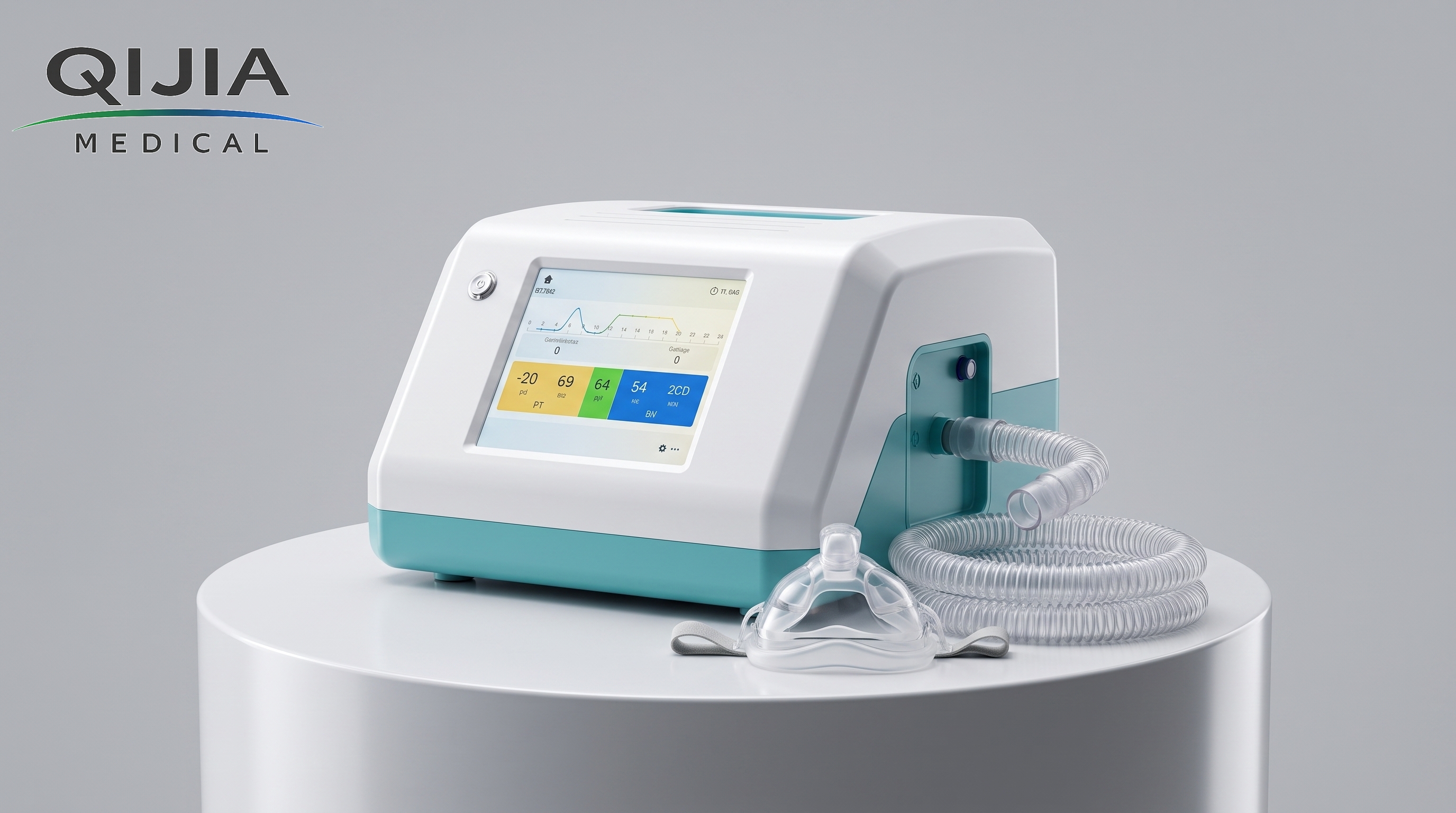
Frequently Asked Questions About Cough Assist Devices
1. What is a cough assist device?
A cough assist device is a mechanical insufflation-exsufflation (MI-E) system designed to assist patients who have an ineffective cough. It alternates positive and negative airway pressure to help reproduce the airflow pattern of a natural cough.
2. Who may need a cough assist machine?
It may be considered for selected patients with weak or ineffective cough, particularly those with neuromuscular weakness, neurological impairment, respiratory muscle weakness, or difficulty clearing respiratory secretions. The suitability of the device should be assessed by qualified healthcare professionals.
3. Can elderly patients use a cough assist device?
Some elderly patients may benefit from mechanical cough assistance when they have clinically significant cough weakness and difficulty clearing secretions. Age alone is not an indication. Patient condition, respiratory function, tolerance, and clinical assessment should determine whether cough assistance is appropriate.
4. Can children use a cough assist device?
Mechanical insufflation-exsufflation may be considered for selected children with ineffective cough, particularly children with neurological or neuromuscular conditions. Pediatric use should be guided by healthcare professionals with appropriate experience in respiratory care.
5. Is a cough assist device the same as a suction machine?
No. A cough assist device assists the coughing process by using positive and negative pressure, while suction equipment removes secretions directly from an accessible airway. Depending on the patient's condition, both approaches may be used as part of a broader airway clearance strategy.
6. Can a cough assist device remove all respiratory mucus?
No. A cough assist device is designed to assist cough and secretion clearance, but it does not guarantee complete removal of all mucus. The appropriate airway clearance method depends on the patient's condition, secretion characteristics, airway status, and clinical assessment.
7. Can a cough assist machine be used at home?
Some patients may use mechanical cough assistance as part of a home respiratory care program. Home use should be based on professional assessment, appropriate device settings, caregiver training, and an established respiratory management plan.
8. What is mechanical insufflation-exsufflation?
Mechanical insufflation-exsufflation, commonly abbreviated as MI-E, is a technique that provides positive pressure followed by rapid negative pressure. The resulting change in airflow is intended to assist cough and improve the movement of airway secretions.
9. Is a cough assist device suitable for every patient with sputum?
No. Producing sputum alone does not automatically mean that mechanical cough assistance is required. The key consideration is whether the patient can effectively clear the secretions. Professional assessment is necessary to determine the most appropriate airway clearance approach.
10. Can QIJIA MEDICAL provide ODM/OEM cough assist solutions?
QIJIA MEDICAL works with global healthcare partners and supports ODM/OEM cooperation for qualified projects. For product specifications, customization requirements, and cooperation opportunities, please contact our team.
Conclusion
An effective cough is an important part of respiratory protection. When elderly patients, children, or adults with neurological and neuromuscular conditions lose the ability to cough effectively, respiratory secretions may become difficult to clear and the risk of respiratory complications can increase.
Understanding the relationship between respiratory muscle weakness, ineffective cough, and secretion retention is therefore an important part of modern respiratory care.
For appropriately selected patients, a cough assist device based on mechanical insufflation-exsufflation can provide mechanical assistance to the cough process and become part of a comprehensive airway clearance strategy.
For hospitals, rehabilitation centers, nursing facilities, home-care providers, and global medical equipment distributors seeking cough assist solutions, QIJIA MEDICAL provides professional medical equipment and ODM/OEM cooperation opportunities.
Explore Cough Assist Device | Learn About QIJIA MEDICAL & ODM/OEM | Contact Us