







Airway Clearance System: Supporting Respiratory Care for Patients with Neurological Disorders and Limited Mobility
Breathing is an automatic process, but effective airway clearance depends on more than just lung function. For many patients with neurological disorders, muscle weakness, or long-term immobility, the biggest respiratory challenge is not producing mucus — it is the inability to remove it effectively.
When cough strength decreases, mucus can accumulate inside the airways, increasing the risk of airway obstruction, recurrent respiratory infections, and reduced lung function. Modern airway clearance technologies such as High-Frequency Chest Wall Oscillation (HFCWO) systems are designed to support secretion mobilization and respiratory care for patients who experience difficulty clearing mucus naturally.
Why Weak Cough Ability Creates Hidden Respiratory Risks
A healthy respiratory system relies on coordinated breathing muscles, strong coughing ability, and normal mucus movement. However, many conditions affecting the nervous system or muscles can interrupt this natural process.
Patients with reduced mobility or weakened respiratory muscles may experience:
Reduced cough strength
Difficulty removing thick airway secretions
Mucus retention in smaller airways
Higher risk of repeated chest infections
Reduced daily comfort and respiratory efficiency
For these individuals, supporting airway clearance becomes an important part of respiratory management.
Respiratory Challenges in ALS and Neuromuscular Diseases
Amyotrophic Lateral Sclerosis (ALS) is a progressive neurological disease that affects motor neurons controlling voluntary muscles. As respiratory muscles and cough effectiveness become weaker, patients may have increasing difficulty managing airway secretions.
Research and clinical discussions on neuromuscular respiratory care highlight that impaired cough and secretion clearance can increase respiratory complications. Airway clearance techniques, including secretion mobilization methods, are considered important supportive approaches for selected patients with neuromuscular weakness.
Similar challenges may also appear in other neuromuscular conditions, including:
Muscular dystrophy
Spinal muscular atrophy (SMA)
Myasthenia gravis
Spinal cord injury
For these patients, maintaining effective mucus movement can be a key part of comprehensive respiratory support.
Lower Limb Paralysis and Long-Term Immobility: Why Airway Care Matters
Patients with lower limb paralysis, spinal injuries, or prolonged bed rest often experience reduced physical activity and weaker respiratory muscle engagement.
Limited movement may contribute to:
Reduced deep breathing frequency
Less effective natural mucus clearance
Increased secretion accumulation
Higher respiratory care requirements
Airway clearance support is especially valuable for individuals who spend extended periods in wheelchairs or in bed and have difficulty generating strong coughs.
Neurological Conditions Associated with Secretion Retention
Respiratory complications are not limited to muscle diseases. Several neurological conditions can also affect swallowing, breathing coordination, and cough effectiveness.
Stroke Recovery and Respiratory Management
After stroke, some patients may experience reduced mobility, impaired swallowing, or weakened respiratory muscle coordination. These changes may affect their ability to clear airway secretions efficiently.
Parkinson’s Disease
Parkinson’s disease can affect muscle control, posture, and respiratory movement. Some patients may experience reduced cough effectiveness and increased difficulty managing airway secretions.
Patients with Severe COPD and Bronchiectasis
Chronic respiratory diseases such as COPD and bronchiectasis are commonly associated with excessive mucus production and repeated airway obstruction.
For these patients, supporting mucus mobilization can help improve respiratory comfort and daily airway care routines.
How Does an Airway Clearance System Help?
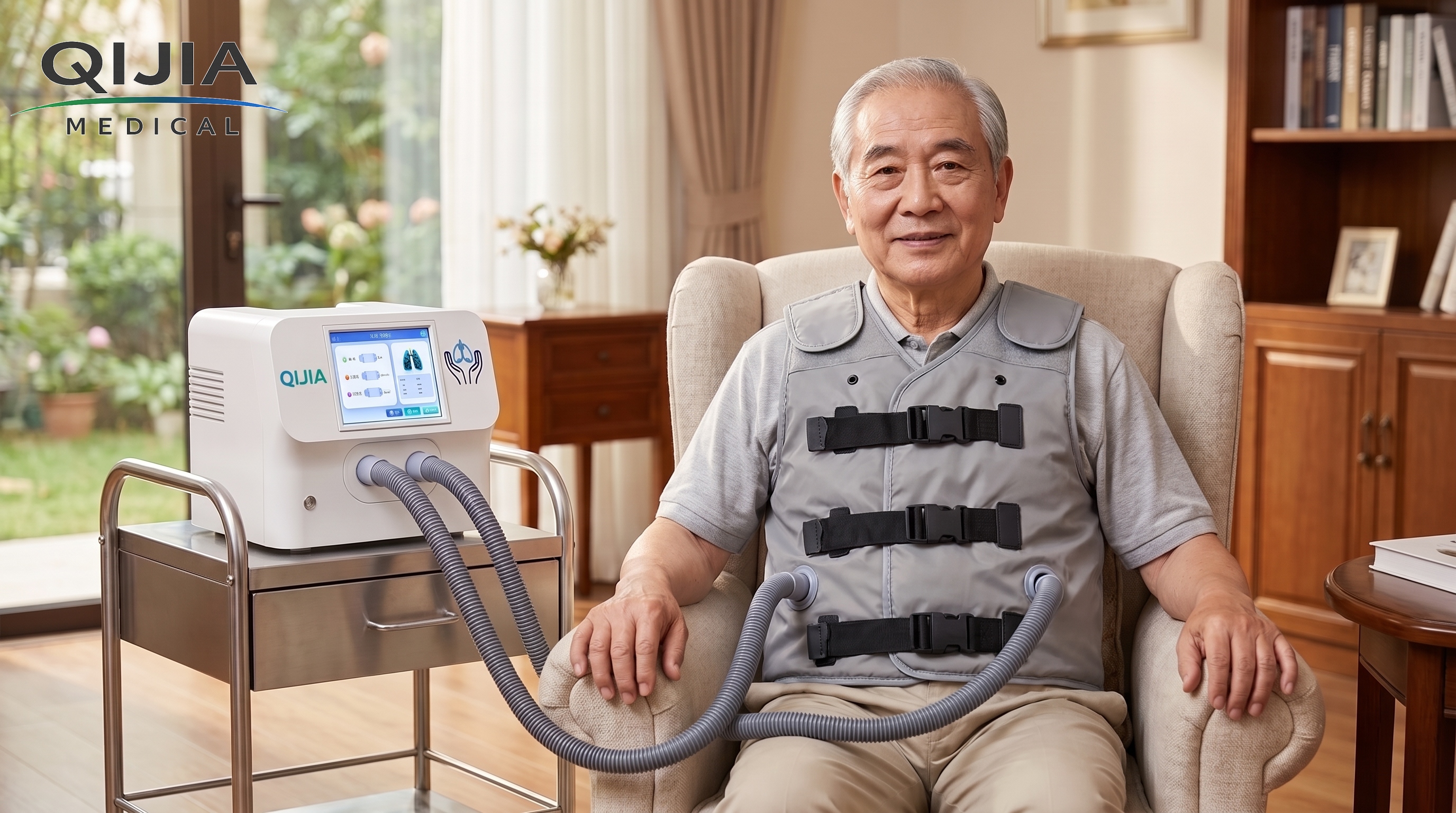
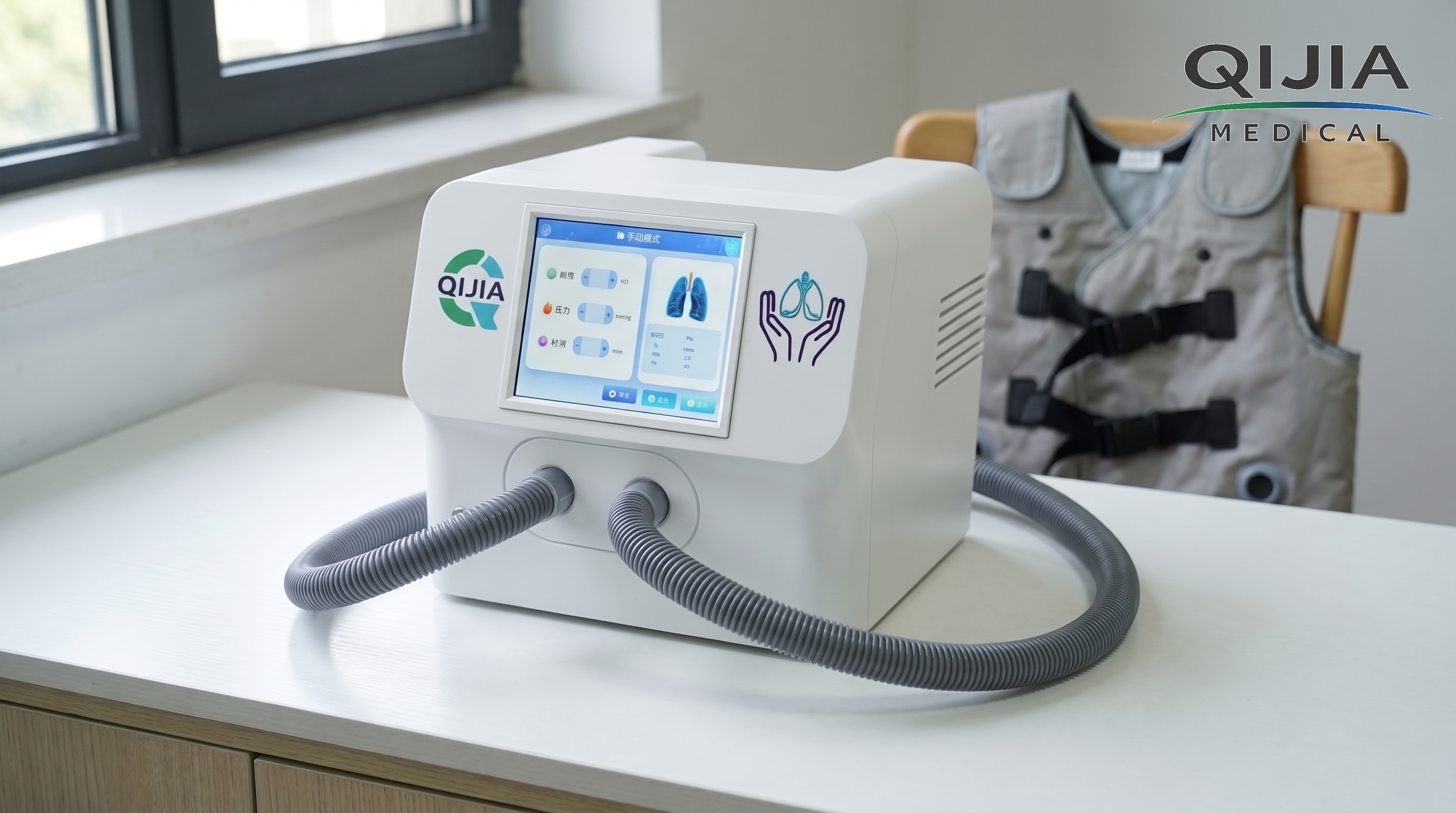
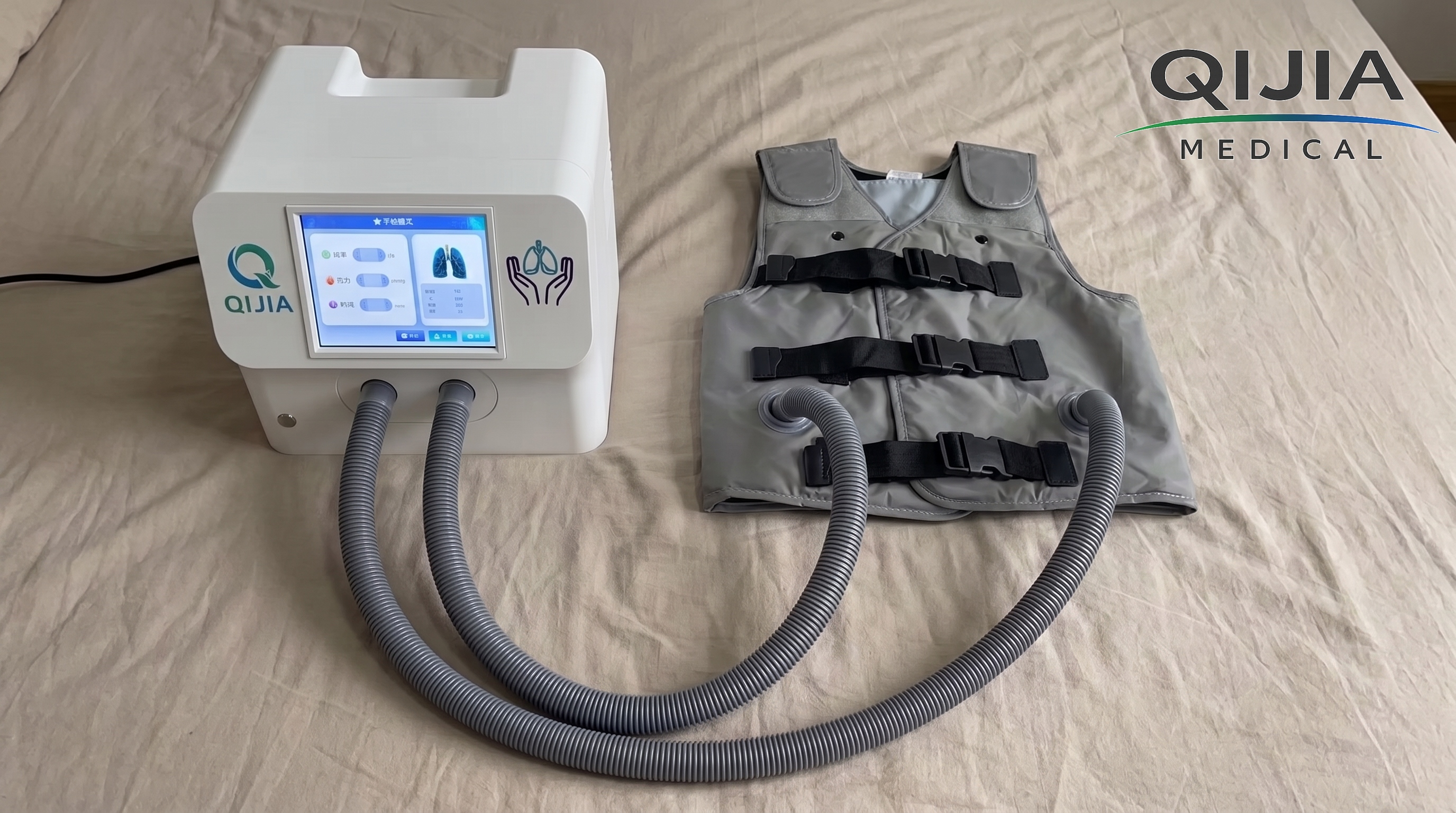
QIJIA Medical Airway Clearance System uses High-Frequency Chest Wall Oscillation (HFCWO) technology to generate rapid chest wall vibrations through an inflatable vest.
The controlled vibration helps:
Mobilize mucus from peripheral airways
Reduce secretion thickness and improve mucus movement
Support natural coughing and airway clearance routines
Provide a non-invasive respiratory care option
Unlike traditional manual chest percussion, the vest system provides consistent mechanical oscillation, helping caregivers and patients maintain a more standardized airway clearance process.
QIJIA Medical Airway Clearance Solution
QIJIA Medical develops respiratory care equipment for global healthcare partners, distributors, and individual respiratory care needs.
Our Airway Clearance Systemis designed with pneumatic high-frequency oscillation technology, providing a practical solution for mucus mobilization and respiratory support.
With professional manufacturing experience and flexible customization capabilities, QIJIA Medical supports global partners with OEM and ODM services.
Learn more about our company and manufacturing capabilities:QIJIA Medical OEM/ODM Solutions
Choosing the Right Respiratory Care Partner
Respiratory care needs vary depending on patient conditions, usage environments, and healthcare requirements.
Whether you are a medical distributor, healthcare organization, or respiratory care provider, QIJIA Medical can provide product information, technical support, and customized cooperation solutions.
Contact our team:Contact QIJIA Medical
Frequently Asked Questions (FAQ)
1. Who may benefit from an airway clearance system?
Airway clearance systems may be considered for patients who have difficulty clearing airway secretions due to conditions such as neuromuscular weakness, reduced mobility, chronic respiratory diseases, or secretion retention problems. Usage should be based on professional medical assessment.
2. Can an airway clearance system be used for ALS patients?
ALS patients may experience reduced cough effectiveness and difficulty managing respiratory secretions. Airway clearance techniques may be included as part of supportive respiratory care according to individual patient conditions.
3. How does HFCWO technology work?
HFCWO uses an inflatable vest connected to an air pulse generator. The system creates controlled chest wall oscillations that help loosen and mobilize airway secretions.
4. Is the Airway Clearance System a replacement for medical treatment?
No. The airway clearance system is a supportive respiratory care device and should be used according to healthcare professional recommendations. It does not replace diagnosis or medical treatment.
5. Does QIJIA Medical provide OEM and ODM services?
Yes. QIJIA Medical provides OEM and ODM cooperation for global partners, including product customization, manufacturing support, and respiratory care solutions.
Conclusion
For patients facing neurological disorders, muscle weakness, or limited mobility, airway clearance can become a serious respiratory challenge.
By supporting mucus mobilization through advanced HFCWO technology, airway clearance systems provide an additional tool for respiratory care management and help caregivers build more effective secretion clearance routines.
QIJIA Medical continues to develop reliable respiratory care solutions for partners worldwide, helping bring innovative airway management technology to more people.