







When Airway Clearance Becomes a Daily Challenge: Respiratory Risks in Vulnerable Patients
Effective airway clearance is an important part of maintaining respiratory health. Under normal conditions, mucus is continuously moved through the airways by the mucociliary system and expelled through coughing. However, aging, prolonged immobility, neurological impairment, chronic respiratory disease, or impaired ciliary function can interfere with this natural process.
When respiratory secretions are not cleared effectively, mucus may accumulate in the lower airways. This can contribute to airway obstruction, impaired ventilation, recurrent respiratory infections, and in some situations, atelectasis or other pulmonary complications. For patients with limited mobility or chronic respiratory conditions, supporting effective secretion clearance may therefore become an important part of respiratory care.
Why Retained Mucus Can Become a Respiratory Problem
Mucus itself is a normal and necessary part of the respiratory system. It traps particles and microorganisms and helps protect the lungs. The problem begins when mucus becomes difficult to mobilize and remove.
Weak coughing, reduced physical activity, impaired mucociliary transport, shallow breathing, or excessive secretion production can all contribute to secretion retention. As mucus remains in the airways, it may interfere with airflow and create an environment in which microorganisms can persist.
This relationship is particularly important in conditions such as bronchiectasis, where retained secretions and recurrent infections can contribute to a continuing cycle of airway inflammation and structural damage. The American Thoracic Society identifies airway clearance as an important component of bronchiectasis management, with techniques including chest physiotherapy, positive expiratory pressure devices, and high-frequency chest wall oscillation. Source: American Thoracic Society.
Elderly and Bedridden Patients: When Cough Strength Declines
Older adults may experience several gradual changes that affect respiratory defense. Aging can be associated with reduced mucociliary clearance, decreased respiratory muscle strength, reduced chest wall mobility, and weaker cough effectiveness.
For elderly patients who are also bedridden or have limited mobility, these factors can become more significant. Spending long periods in bed can reduce deep breathing and physical activity, while a weak cough may make it difficult to move secretions from the lower airways.
Research has linked aging with diminished mucociliary clearance and greater difficulty removing respiratory secretions. In vulnerable elderly populations, secretion retention can contribute to respiratory infection risk, particularly when combined with swallowing difficulties, aspiration, or reduced functional status.
For this reason, respiratory care for elderly and bedridden patients should not focus only on oxygenation. Maintaining effective secretion clearance and encouraging appropriate movement, positioning, breathing exercises, and other clinically indicated airway clearance strategies can also be important.
Primary Ciliary Dyskinesia: When the Natural Clearance System Is Impaired
Primary Ciliary Dyskinesia (PCD) is a rare genetic disorder in which abnormal ciliary function interferes with the normal movement of mucus through the respiratory tract.
Because the mucociliary transport mechanism does not work normally, people with PCD may experience chronic respiratory symptoms, recurrent infections, bronchiectasis, and persistent airway secretions.
Airway clearance is therefore a major component of long-term respiratory management in PCD. Current expert recommendations emphasize individualized airway clearance programs, while available approaches can include breathing techniques, physical activity, chest physiotherapy, positive expiratory pressure devices, and oscillatory vests.
Importantly, no single airway clearance technique is appropriate for every patient. The most suitable approach depends on age, disease severity, secretion characteristics, respiratory function, and the patient's ability to cough effectively. A respiratory professional should determine and monitor the appropriate treatment plan.
Atelectasis: How Mucus Retention Can Affect Lung Expansion
Atelectasis refers to partial or complete collapse of part of the lung. It can occur in different clinical situations, including after surgery, during prolonged immobility, or when an airway becomes obstructed.
Retained mucus can contribute to airway obstruction and interfere with ventilation of the affected region. Postoperative patients may be particularly vulnerable because pain, sedation, shallow breathing, and reduced mobility can make effective coughing more difficult.
When mucus plugs obstruct an airway, the region of lung beyond the obstruction may receive less ventilation. Clinical literature has described retained secretions and mucus obstruction as factors associated with postoperative atelectasis.
This is one reason why postoperative respiratory management may include appropriate mobilization, breathing exercises, coughing techniques, chest physiotherapy, and secretion-management strategies when clinically indicated.
Neurological and Neuromuscular Conditions
Airway clearance can also become challenging when a person's ability to generate an effective cough is reduced.
Conditions such as stroke, Parkinson's disease, spinal cord injury, muscular dystrophy, amyotrophic lateral sclerosis (ALS), and other neurological or neuromuscular disorders may affect respiratory muscle strength, coordination, swallowing, or cough effectiveness.
In these situations, the issue may not simply be excessive mucus production. A patient may produce normal respiratory secretions but lack the strength or coordination required to move them effectively.
Clinical guidance for patients with neuromuscular weakness emphasizes the importance of assessing cough effectiveness and selecting appropriate secretion-management strategies. Depending on the patient's condition, airway clearance may involve cough-assistance techniques, breathing exercises, physiotherapy, suction, or other clinically appropriate interventions.
Chronic Respiratory Diseases and Recurrent Secretion Retention
Airway clearance may also be relevant to patients with chronic respiratory conditions that produce persistent or difficult-to-clear secretions.
Bronchiectasis: damaged and permanently widened airways can make mucus clearance difficult and increase the risk of recurrent respiratory infections.
Cystic Fibrosis: thick airway secretions can make mucus mobilization and clearance an important part of respiratory management.
Primary Ciliary Dyskinesia: impaired ciliary movement can reduce the body's natural ability to transport mucus.
COPD with symptomatic secretion retention: some patients may have difficulty mobilizing excessive respiratory secretions, particularly during exacerbations.
Chronic or recurrent respiratory infections: persistent secretions may make airway clearance an important part of an individualized respiratory-care plan.
These conditions are different diseases with different mechanisms, and airway clearance should never be considered a substitute for diagnosis, medication, infection management, or other necessary medical treatment.
How High-Frequency Chest Wall Oscillation Supports Airway Clearance
High-Frequency Chest Wall Oscillation (HFCWO) is one of the mechanical approaches used to support airway clearance.
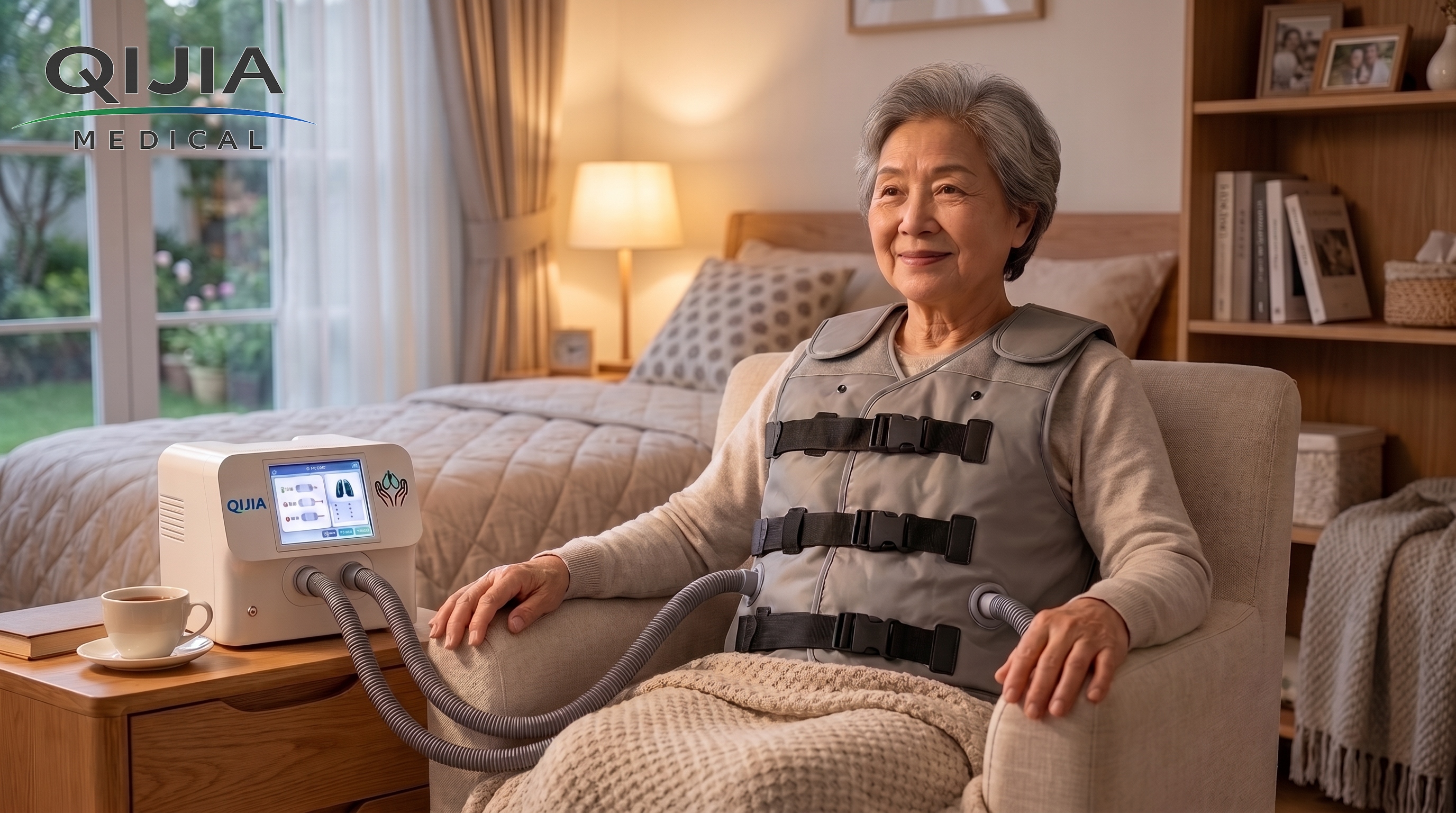
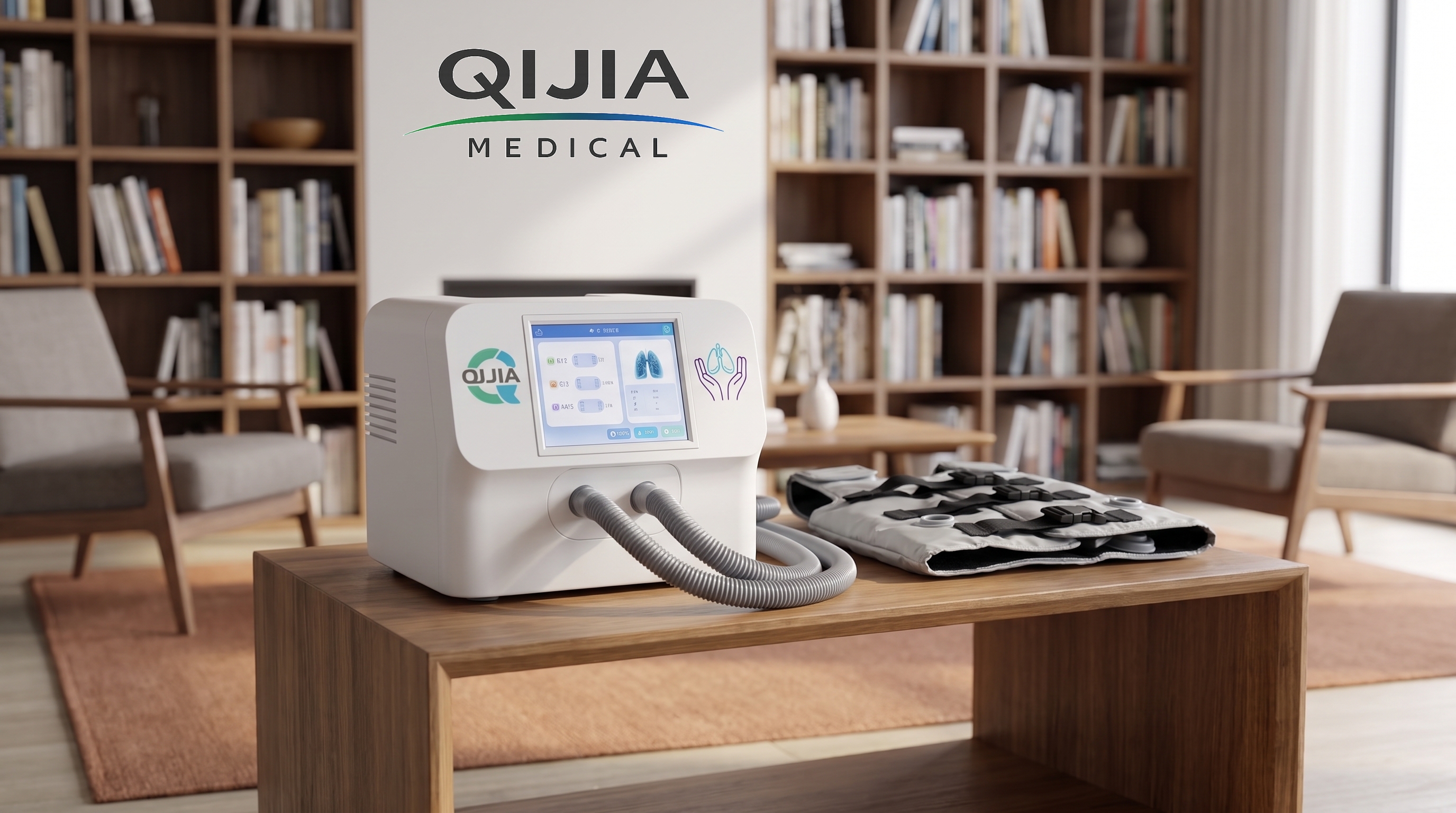
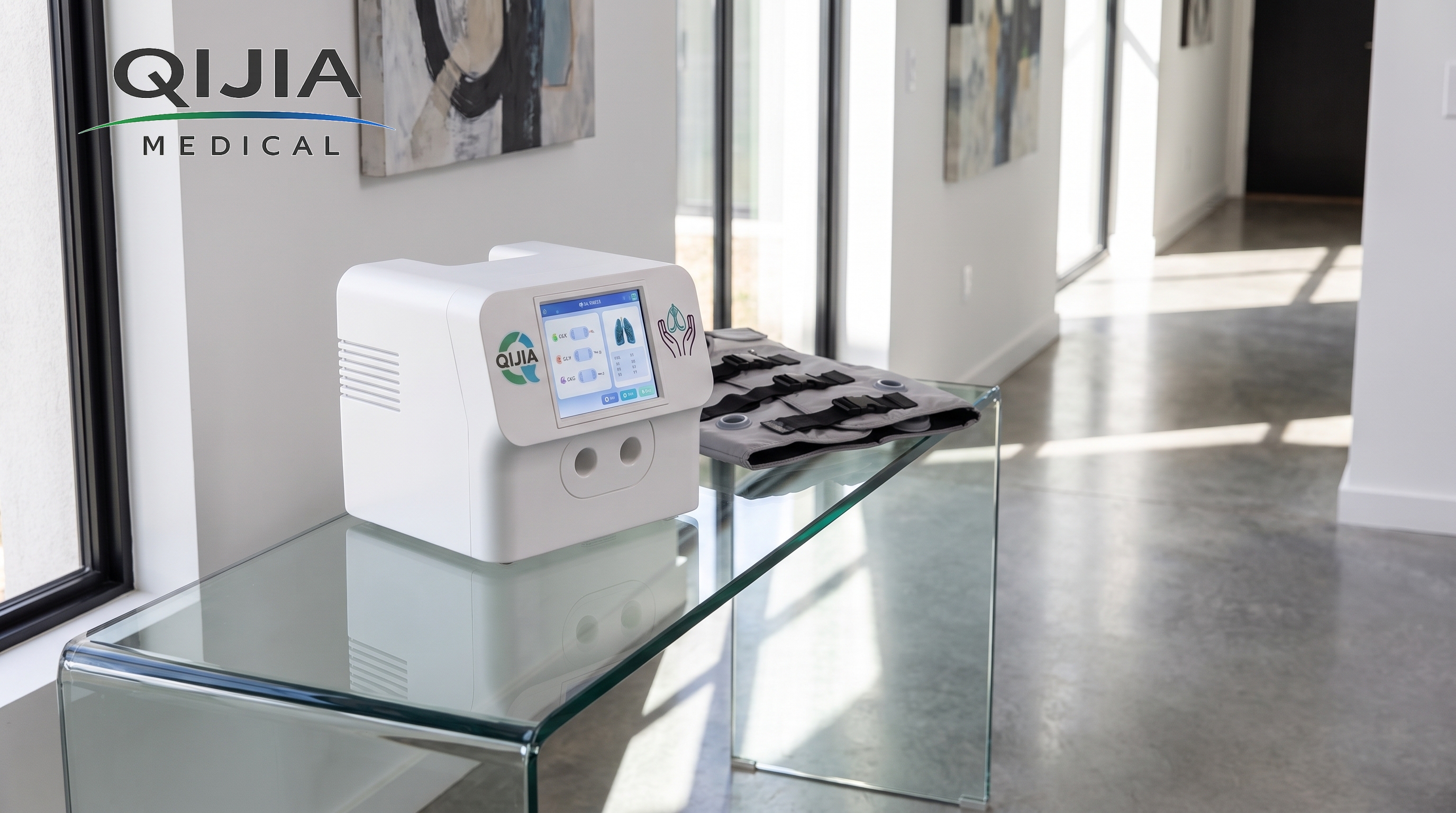
During therapy, an inflatable vest is connected to a control unit. Rapid inflation and deflation create rhythmic oscillations against the chest wall. These oscillations can help mobilize airway secretions and move mucus toward the larger airways, where it may be easier for the patient to cough and expectorate.
Rather than directly removing mucus from the lungs, the purpose of HFCWO is to assist the physical process of mucus mobilization. This distinction is important: effective airway clearance generally still depends on the patient's ability to cough or on another appropriate secretion-removal strategy.
For more information about QIJIA's pneumatic high-frequency oscillation sputum removal system, visit our Airway Clearance System product page.
Who May Need Additional Attention to Airway Clearance?
Airway clearance assessment may be particularly relevant for people who have one or more of the following characteristics:
Long-term or prolonged bed rest
Reduced cough strength
Neurological or neuromuscular impairment
Primary Ciliary Dyskinesia
Bronchiectasis or chronic mucus production
Cystic Fibrosis
Repeated respiratory infections
Postoperative secretion retention
Reduced mobility or physical activity
Difficulty taking deep breaths or clearing sputum independently
However, the presence of one of these conditions does not automatically mean that HFCWO is appropriate. Patient assessment, contraindications, treatment goals, and the ability to cough and expectorate should all be considered by qualified healthcare professionals.
Airway Clearance Is Part of a Bigger Respiratory-Care Strategy
Mechanical airway clearance should be viewed as one component of comprehensive respiratory care rather than a standalone solution.
Depending on the patient's condition, an airway clearance program may also involve adequate hydration, physical activity when appropriate, positioning, breathing exercises, cough training, inhaled therapies, medication, infection management, and other interventions prescribed by healthcare professionals.
The goal is simple: help patients maintain effective ventilation and reduce the burden of retained respiratory secretions when natural clearance is not sufficient.
QIJIA: Medical Device Manufacturing for Respiratory Care
QIJIA MEDICAL develops and manufactures medical equipment for respiratory care, rehabilitation, and related clinical applications. Our airway clearance technology is designed around pneumatic high-frequency chest wall oscillation to support mucus mobilization and sputum clearance.
As a medical device manufacturer, QIJIA also provides OEM and ODM cooperation for qualified partners seeking customized medical equipment solutions. Learn more about our OEM/ODM manufacturing capabilities.
For product specifications, distribution opportunities, OEM/ODM projects, or other business inquiries, please contact QIJIA MEDICAL.
Frequently Asked Questions
1. What is an airway clearance system?
An airway clearance system is a device or therapeutic approach designed to help mobilize and remove respiratory secretions from the airways. Different systems use different mechanisms, including chest physiotherapy, positive expiratory pressure, oscillation, or cough assistance.
2. Can elderly or bedridden patients benefit from airway clearance therapy?
Some elderly or bedridden patients may benefit when they have difficulty clearing respiratory secretions. Reduced mobility and cough strength can contribute to secretion retention. However, treatment should be selected according to the patient's clinical condition and tolerance.
3. Is HFCWO suitable for patients with Primary Ciliary Dyskinesia?
Oscillatory vests are among the airway clearance approaches used in PCD care. However, there is no single technique that is universally appropriate for every patient. A respiratory professional should establish an individualized airway clearance program.
4. Can an airway clearance system treat atelectasis?
Airway clearance may be used as part of respiratory management when retained secretions contribute to airway obstruction or impaired ventilation. Atelectasis has many possible causes, so diagnosis and treatment should be determined by a healthcare professional.
5. Does HFCWO directly remove mucus from the lungs?
No. HFCWO uses rhythmic chest wall oscillations to help mobilize respiratory secretions. The loosened mucus generally still needs to be cleared through coughing, huff coughing, suction, or another clinically appropriate method.
6. Can HFCWO replace medication or respiratory treatment?
No. HFCWO is an airway clearance approach and should not be considered a replacement for prescribed medication, antibiotics, bronchodilators, inhaled therapies, oxygen therapy, cough assistance, or other necessary medical treatment.
7. Is an airway clearance system appropriate for home use?
Some airway clearance devices can be incorporated into home respiratory-care programs when prescribed or recommended by an appropriate healthcare professional. The patient's condition, treatment frequency, device settings, and ability to tolerate therapy should be assessed before use.
8. When should a patient seek medical attention?
New or worsening shortness of breath, chest pain, low oxygen levels, significant changes in sputum, coughing up blood, fever, confusion, or rapidly worsening respiratory symptoms require prompt medical evaluation. Airway clearance equipment should not delay emergency medical care.