







When a Weak Cough Becomes a Respiratory Risk: Understanding Cough Assist Devices
Coughing is one of the body's most important natural airway protection mechanisms. Every day, the respiratory system produces mucus that traps inhaled particles, microorganisms, and other unwanted substances. An effective cough helps move these secretions out of the airways. However, when respiratory muscles become weak or neurological conditions interfere with normal coughing, this protective mechanism may no longer work effectively.
For people who cannot generate sufficient cough flow, retained secretions can become more than a daily inconvenience. Mucus accumulation may contribute to airway obstruction, recurrent respiratory infections, atelectasis, and deterioration in respiratory status. Understanding the causes and warning signs of ineffective cough is therefore an important part of respiratory care.
A Cough Assist Device, also known as a mechanical insufflation-exsufflation device, can help selected patients mobilize and clear airway secretions by simulating the airflow pattern of a natural cough. This article explores four important application areas and explains how mechanical cough assistance may support individualized respiratory management.

1. Why Ineffective Cough Should Not Be Overlooked
A productive cough depends on adequate inhalation, coordinated respiratory muscle activity, and sufficient expiratory airflow. When one or more of these functions are impaired, secretions may remain in the airways instead of being expelled effectively.
Several factors can contribute to ineffective cough, including respiratory muscle weakness, neurological impairment, reduced mobility, and certain conditions requiring an artificial airway. Patients may have difficulty clearing mucus even when they do not initially report severe breathing discomfort.
Retained secretions can narrow or obstruct airways and create conditions that favor respiratory complications. Repeated secretion retention may increase the burden of respiratory infections and can contribute to atelectasis, in which part of the lung loses normal aeration. In vulnerable patients, respiratory deterioration may occur more quickly during an acute respiratory infection.
Recognizing declining cough effectiveness early allows healthcare professionals to assess airway clearance needs and establish an appropriate respiratory care plan. Depending on the patient, management may include hydration where appropriate, positioning, conventional airway clearance techniques, assisted coughing, suctioning, or mechanical cough assistance.
2. Neuromuscular Diseases: When Breathing Muscles Lose Strength
Neuromuscular diseases are among the most established clinical contexts for mechanical cough assistance. Conditions such as amyotrophic lateral sclerosis (ALS), Duchenne muscular dystrophy (DMD), and spinal muscular atrophy (SMA) can affect the muscles responsible for breathing and coughing.
ALS and progressive respiratory weakness
ALS can progressively affect the motor neurons that control voluntary muscles, including muscles involved in respiration. As respiratory muscle weakness develops, some patients may struggle to produce an effective cough or remove mucus during respiratory infections.
Difficulty clearing secretions can increase the complexity of respiratory management, particularly when cough strength continues to decline. A Cough Assist Device may be considered when clinical assessment identifies ineffective cough and conventional techniques are insufficient.
DMD, SMA, and other neuromuscular conditions
People living with DMD, SMA, and other neuromuscular disorders may experience reduced respiratory muscle strength and diminished cough effectiveness. The degree of impairment varies with the condition, disease progression, age, and individual respiratory function.
Mechanical insufflation-exsufflation delivers positive pressure during inhalation followed by negative pressure during exhalation. This rapid pressure transition helps generate expiratory airflow intended to simulate a cough and assist secretion clearance.
For patients with neuromuscular disease, treatment decisions should be individualized. Respiratory professionals may assess cough effectiveness, secretion burden, upper airway function, and the patient's tolerance before establishing appropriate settings and care procedures.
3. Tracheostomy Patients: Supporting Airway Secretion Management
Tracheostomy may be required for a variety of medical reasons, including prolonged respiratory support or the need to maintain an airway. Although a tracheostomy provides an alternative route for airflow, it does not automatically ensure effective secretion clearance.
Some tracheostomy patients also have neuromuscular weakness, spinal cord injuries, or other conditions that reduce their ability to cough. When cough effectiveness is impaired, secretions may accumulate and require a structured airway management plan.
Mechanical cough assistance may be considered for appropriately selected tracheostomy patients. Depending on the device configuration and clinical protocol, the treatment circuit can connect through a compatible tracheostomy interface rather than a face mask.
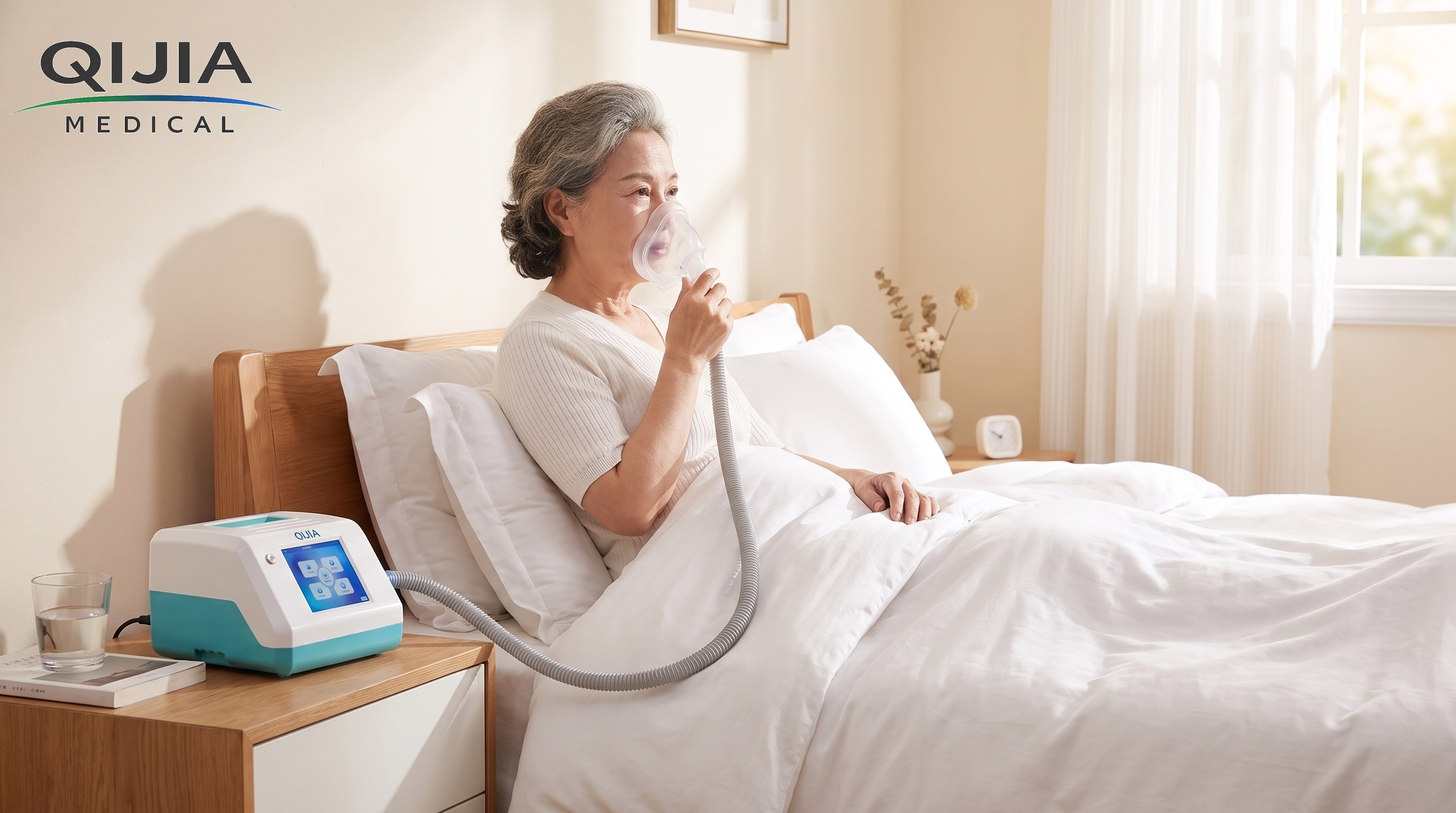
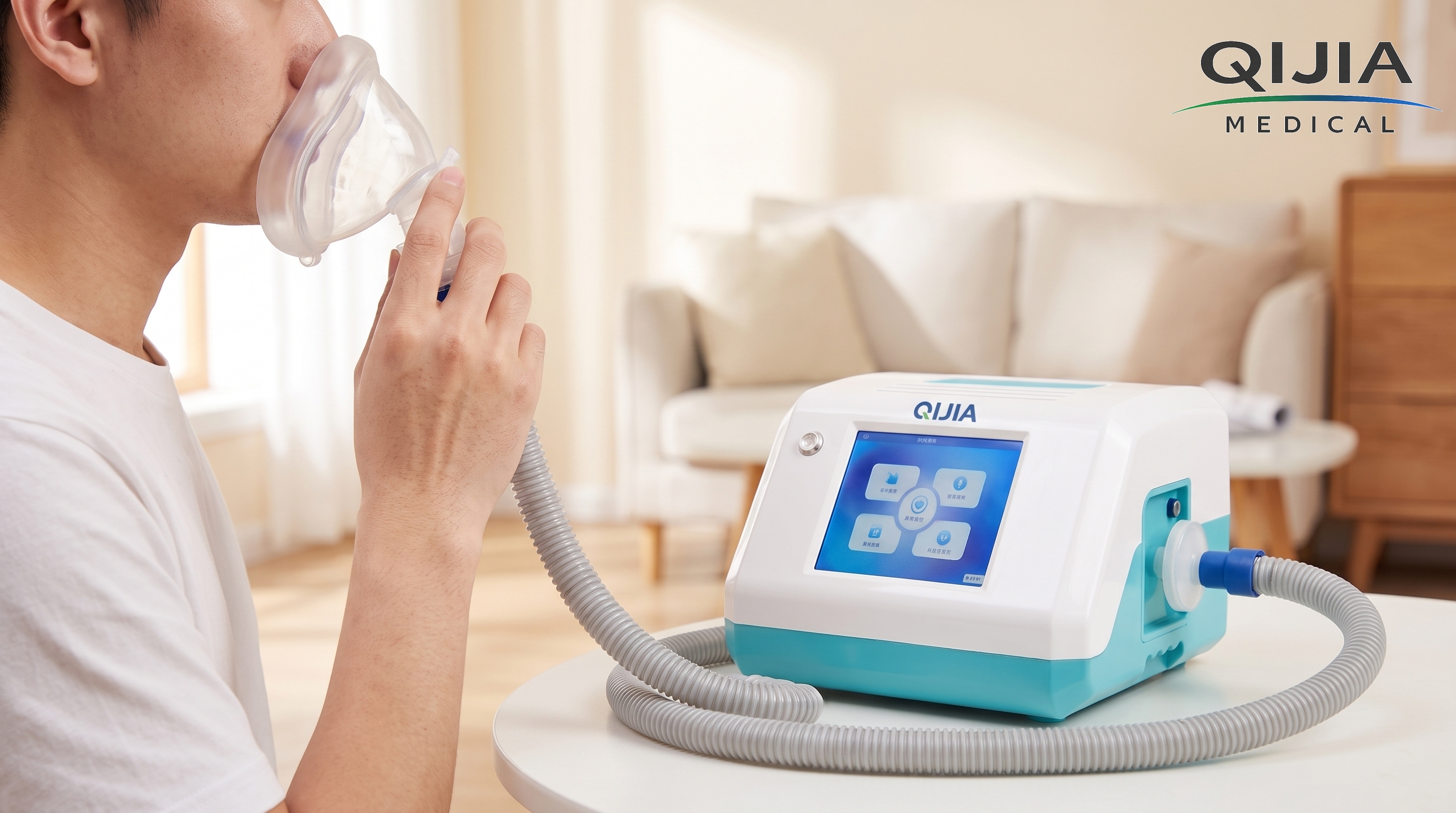
The QIJIA MEDICAL Cough Assist Device supports mask use and a compatible dedicated tracheostomy interface. It also provides adjustable inspiratory pressure, expiratory pressure, and treatment time, allowing qualified healthcare professionals to tailor settings according to the patient's assessment and the device instructions.
Interface compatibility alone does not establish suitability for every tracheostomy patient. Cuff status, airway anatomy, upper airway patency, secretion characteristics, and clinical stability may affect the treatment approach. Trained professionals should determine the appropriate connection method and monitor the patient's response.
4. Spinal Cord Injury and Neurological Impairment
Spinal cord injuries can affect the nerves and muscles responsible for breathing, depending on the location and severity of the injury. Some patients, particularly those with cervical spinal cord injuries, may have reduced respiratory muscle strength and difficulty generating an effective cough.
When cough strength is insufficient, normal respiratory secretions may be harder to clear. This can increase the risk of mucus retention and respiratory complications, especially when combined with restricted mobility or an acute respiratory infection.
Other neurological conditions may also interfere with effective coughing. However, the need for mechanical cough assistance should be based on the patient's actual respiratory function rather than the diagnosis alone.
As part of a comprehensive respiratory care program, a Cough Assist Device may help selected patients generate airflow that supports secretion movement and clearance. Healthcare professionals may combine this approach with positioning, manual assisted cough, suctioning, or other airway clearance methods when clinically indicated.
For patients with significant neurological impairment, the care plan should also consider communication ability, cooperation, airway protection, caregiver training, and the availability of appropriate monitoring.
5. Home Respiratory Care: Extending Support Beyond the Hospital
For some people living with chronic respiratory muscle weakness, airway clearance is an ongoing need rather than a temporary intervention. Repeated hospital visits, changes in secretion volume, and declining cough strength can make respiratory care increasingly demanding for patients and caregivers.
When prescribed and appropriately supported, mechanical cough assistance may form part of a home respiratory care program. The aim is to help eligible patients manage ineffective cough and airway secretions within an individualized care plan.
Successful home use involves more than having a device available. Patients and caregivers may need training in interface placement, prescribed settings, cleaning and maintenance, recognition of warning signs, and procedures for obtaining professional assistance when the patient's condition changes.
The QIJIA MEDICAL Cough Assist Device offers adjustable treatment parameters and compatible mask or tracheostomy interface options. These features provide flexibility for different care configurations, subject to the approved intended use and the patient's clinical needs.
Home use should be established by qualified healthcare professionals. Caregivers should not independently change prescribed treatment settings or rely on the device as a substitute for urgent medical evaluation when serious respiratory symptoms develop.
6. How Does a Cough Assist Device Work?
A mechanical insufflation-exsufflation device uses controlled pressure changes to support the coughing process. During insufflation, positive pressure helps deliver air into the lungs. During exsufflation, the device rapidly switches to negative pressure to generate outward airflow.
This assisted airflow is designed to help move airway secretions toward the mouth or an appropriate airway interface so they can be cleared. The device does not directly treat the underlying neurological disease, eliminate every type of secretion, or replace all other respiratory therapies.
The QIJIA MEDICAL Cough Assist Device provides the following features:
Flexible interface options: Supports mask use and a compatible dedicated tracheostomy interface.
Adjustable inspiratory pressure: Allows professional adjustment of the insufflation phase.
Adjustable expiratory pressure: Allows professional adjustment of the exsufflation phase.
Adjustable treatment time: Supports adjustment of treatment timing according to the device configuration and prescribed protocol.
Multiple care settings: May be considered for appropriate professional or home-care applications when supported by the product's approved intended use.
These features support treatment flexibility, but the appropriate settings and interface depend on the patient's assessment, tolerance, airway characteristics, and clinical protocol.
Learn more about the QIJIA MEDICAL Cough Assist Device and its product specifications.
7. Recognizing Risks and the Importance of Professional Assessment
Mechanical cough assistance is not suitable for every patient. The need for treatment and the appropriate pressure settings must be evaluated by qualified professionals. Certain conditions, including untreated pneumothorax, a history of pressure-related lung injury, or specific airway and cardiovascular problems, may require avoidance, additional precautions, or specialist assessment depending on the device instructions.
Potential adverse effects can include discomfort, abdominal distension, changes in oxygenation, and other treatment-related complications. Rare but serious complications have also been reported with mechanical insufflation-exsufflation. The risks depend on the patient's condition, the interface, the settings, and the treatment technique.
Seek urgent medical attention for severe or rapidly worsening breathlessness, bluish lips, altered consciousness, or other signs of serious respiratory distress. A Cough Assist Device is an airway clearance aid, not an emergency substitute for medical care or a replacement for ventilatory support when ventilation is inadequate.
Appropriate patient selection, individualized settings, caregiver education, and ongoing reassessment are essential parts of responsible mechanical cough assistance.
8. Partner with QIJIA MEDICAL for Cough Assist Solutions
Choosing respiratory care equipment requires attention to functional requirements, interface compatibility, intended use, product documentation, and after-sales support. Medical equipment distributors and healthcare providers should evaluate these factors alongside local regulatory requirements and the needs of their target markets.
QIJIA MEDICAL develops and supplies medical equipment solutions, including Cough Assist Devices designed to support mechanical cough assistance for appropriately selected patients. The product's adjustable parameters and interface options offer flexibility for different respiratory care configurations.
For distributors and medical equipment businesses seeking OEM or ODM cooperation, QIJIA MEDICAL can discuss product requirements and potential cooperation arrangements based on project needs and applicable regulatory requirements.
Learn more about QIJIA MEDICAL and its OEM/ODM capabilities, or contact our team to discuss product specifications, distribution opportunities, and cooperation requirements.
Frequently Asked Questions (FAQ)
1. What is a Cough Assist Device used for?
A Cough Assist Device uses mechanical insufflation-exsufflation to simulate aspects of a natural cough and help eligible patients mobilize and clear airway secretions when their own cough is ineffective.
2. Which patients may benefit from a Cough Assist Device?
It may be considered for selected patients with ineffective cough due to conditions such as ALS, muscular dystrophy, spinal muscular atrophy, spinal cord injury, or other causes of respiratory muscle weakness. Clinical assessment is necessary to determine suitability.
3. Can a Cough Assist Device be used with a tracheostomy?
Some mechanical cough assist devices support compatible tracheostomy interfaces. The QIJIA MEDICAL model supports mask use and a compatible dedicated tracheostomy interface. The connection method and treatment settings must follow the device instructions and professional guidance.
4. Is a Cough Assist Device the same as an oxygen concentrator or nebulizer?
No. A Cough Assist Device supports cough augmentation and airway secretion clearance through controlled pressure changes. An oxygen concentrator supplies concentrated oxygen, while a nebulizer delivers medication in aerosol form. They serve different functions.
5. Can a Cough Assist Device be used at home?
It may be used at home by appropriately selected patients when home use is consistent with the product's intended use and a healthcare professional has established the treatment plan. Patients and caregivers should receive appropriate training.
6. Does a Cough Assist Device treat ALS or other neurological diseases?
No. It does not cure or reverse the underlying disease. It may support airway secretion clearance in patients whose cough effectiveness is impaired by these conditions.
7. Are the pressure and treatment time adjustable on the QIJIA MEDICAL Cough Assist Device?
Yes. The device supports adjustment of inspiratory pressure, expiratory pressure, and treatment time. The appropriate settings should be determined by qualified professionals according to the patient's needs and the product instructions.
8. How can medical equipment distributors cooperate with QIJIA MEDICAL?
Distributors can review the product information and contact QIJIA MEDICAL to discuss specifications, OEM/ODM requirements, distribution opportunities, and applicable regulatory documentation.
Medical information notice: This article is intended for educational purposes and does not replace professional diagnosis, treatment, or device-specific instructions. Patient suitability, interface selection, pressure settings, contraindications, and monitoring requirements must be determined by qualified healthcare professionals.