







Cough Assist Device for Neuromuscular Disorders, Tracheostomy Care and Neurological Rehabilitation
An effective cough is one of the body's most important natural defense mechanisms. It helps remove airway secretions and maintain clear breathing pathways. However, for patients with neurological disorders, tracheostomy, or neurological injuries, the ability to produce an effective cough may become significantly reduced.
When cough strength decreases, patients may have difficulty clearing respiratory secretions independently. Over time, retained secretions can increase the burden on the respiratory system and may contribute to airway obstruction, recurrent respiratory infections, and reduced quality of life.
A Cough Assist Device, based on Mechanical Insufflation-Exsufflation (MI-E) technology, provides mechanical assistance by creating a positive pressure inhalation phase followed by a rapid negative pressure exhalation phase. This process helps simulate the airflow pattern of a natural cough and supports airway secretion management for patients with ineffective cough ability.
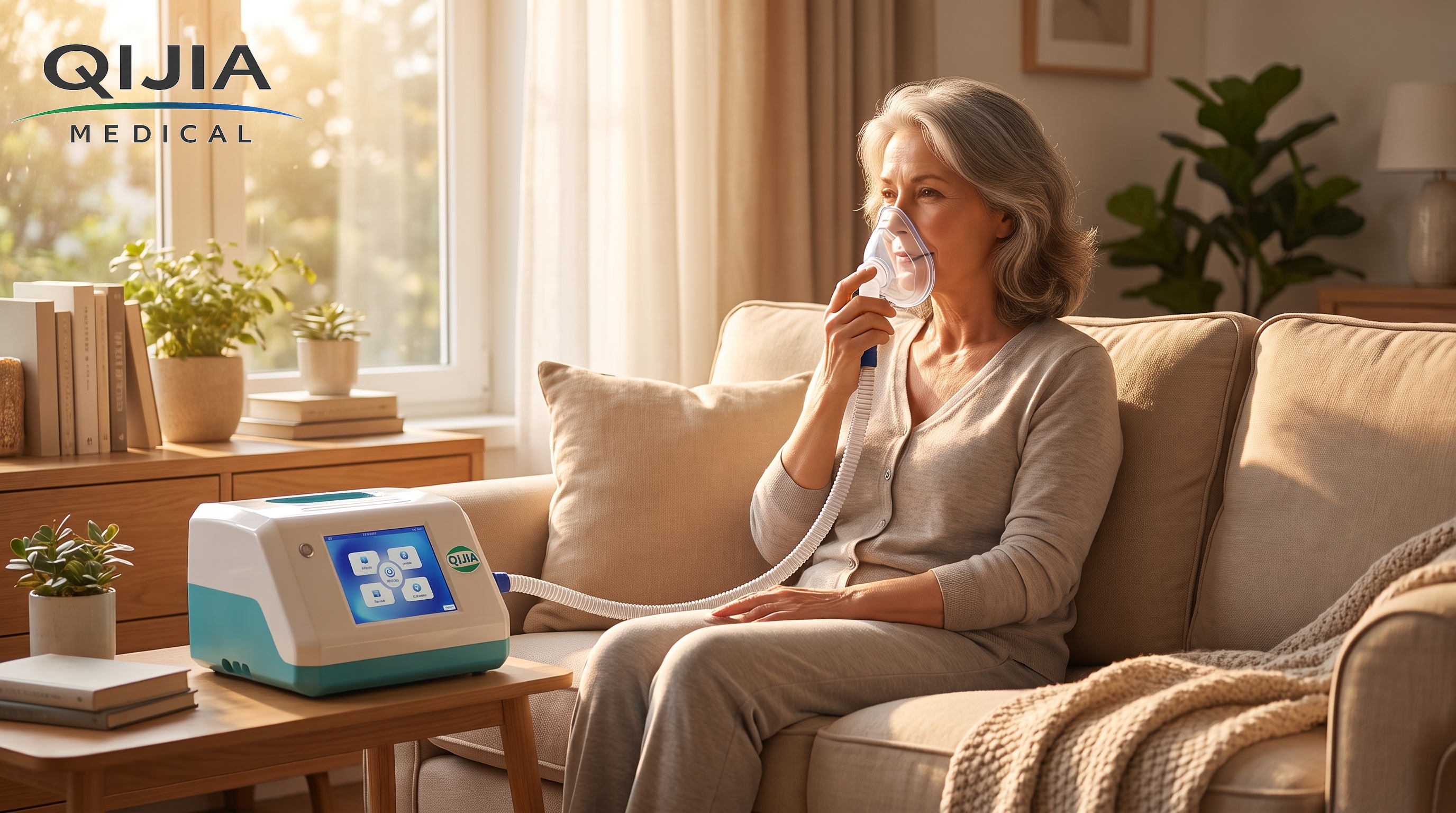
Why Reduced Cough Ability Creates Respiratory Challenges
Coughing requires coordination between the brain, respiratory muscles, and airway structures. Patients with neurological conditions may experience weakened respiratory muscle function, impaired coordination, or reduced cough reflex, making natural airway clearance more difficult.
Unlike normal individuals who can clear secretions through spontaneous coughing, these patients may require additional respiratory support to maintain effective airway management.
Early attention to cough effectiveness is an important part of long-term respiratory care, especially for individuals with progressive neurological conditions or reduced respiratory function.
Cough Assist Device Applications in Neuromuscular Diseases
Neuromuscular diseases are among the most common clinical situations where cough effectiveness becomes compromised. Conditions such as Amyotrophic Lateral Sclerosis (ALS), Duchenne Muscular Dystrophy (DMD), Spinal Muscular Atrophy (SMA), and other muscle weakness disorders can gradually affect respiratory muscle strength.
As respiratory muscles become weaker, patients may not be able to generate enough airflow during coughing. This can make it difficult to remove airway secretions, particularly during respiratory infections when secretion production increases.
A Cough Assist Device provides mechanical cough support by helping patients achieve stronger airflow changes during treatment. It can become an important component of respiratory care plans designed for patients with reduced cough ability.
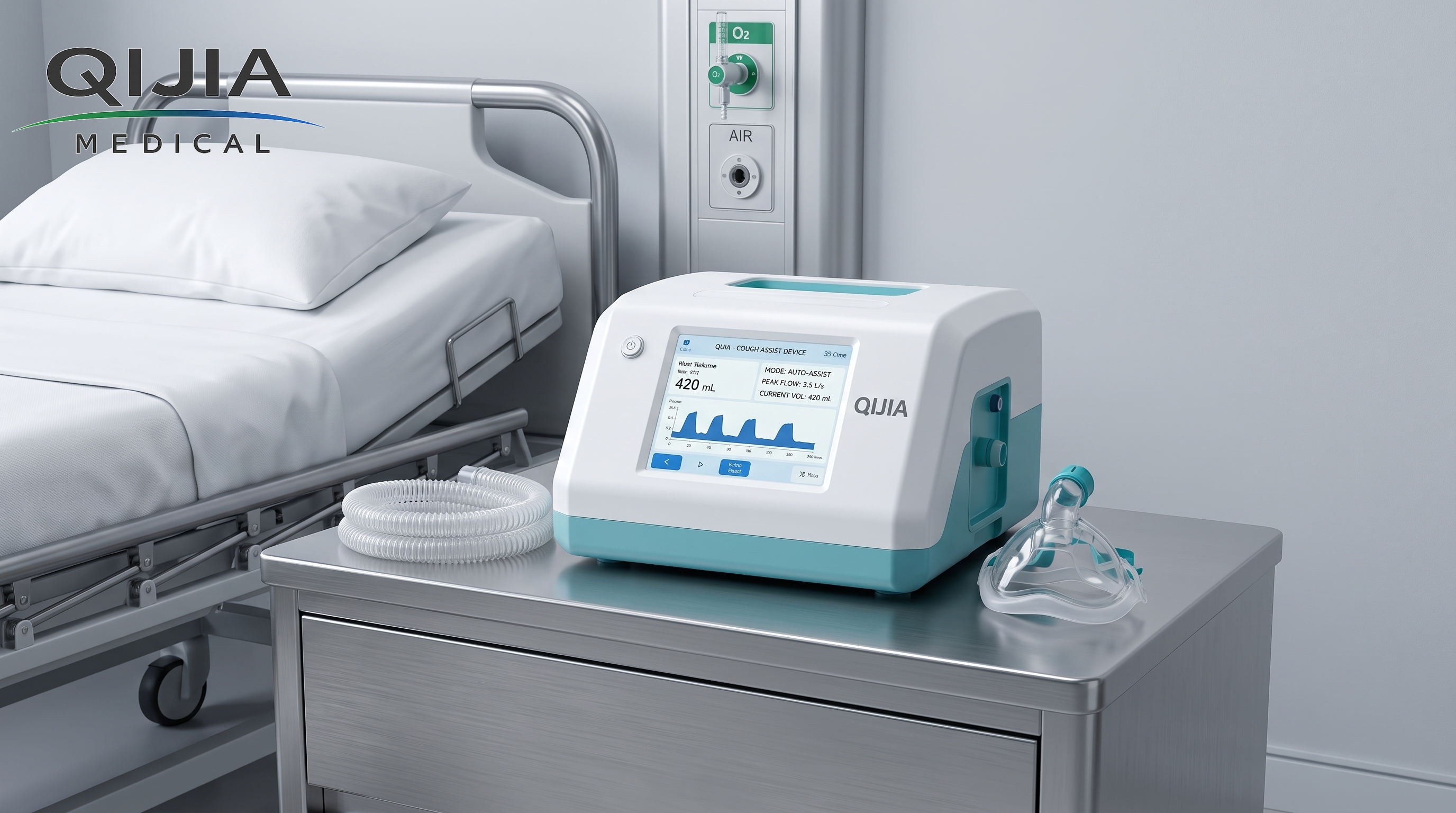
Supporting Respiratory Care for Tracheostomy Patients
Tracheostomy provides an alternative airway pathway for patients who require long-term respiratory support. However, many tracheostomy patients may still experience challenges with effective coughing.
Factors such as reduced respiratory muscle strength, neurological impairment, or prolonged illness can affect the ability to naturally mobilize airway secretions.
Traditional suctioning methods can assist with secretion removal, but they do not fully reproduce the natural cough mechanism. A Cough Assist Device provides another approach by using controlled pressure changes to enhance cough airflow and support airway clearance.
Depending on clinical requirements, cough assistance may be provided through different interfaces, including masks or tracheostomy-related connections, making it suitable for different respiratory care environments.
Cough Assist Support After Stroke and Neurological Injury
Stroke and neurological injuries can affect many functions involved in breathing and airway protection. Some patients may experience reduced cough strength, impaired swallowing coordination, or decreased respiratory muscle control.
These challenges can make airway secretion management more difficult, especially during the rehabilitation stage when patients are recovering mobility and neurological function.
For rehabilitation centers and healthcare providers, respiratory management is an important part of comprehensive neurological recovery. Cough Assist Device technology can provide additional support for patients who are unable to generate an effective cough independently.
How Does a Cough Assist Device Work?
The working principle of a Cough Assist Device is based on Mechanical Insufflation-Exsufflation (MI-E):
Insufflation Phase: Positive pressure delivers air into the lungs to support a deeper breath.
Exsufflation Phase: A rapid transition to negative pressure creates strong outward airflow similar to a cough.
Adjustable Settings: Treatment pressure, timing, and therapy parameters can be adjusted according to patient requirements.
This controlled pressure cycle helps healthcare professionals provide personalized respiratory care for patients with weak cough effectiveness.
Choosing a Professional Cough Assist Device Manufacturer
For hospitals, rehabilitation facilities, respiratory care providers, and medical distributors, selecting a reliable manufacturer is essential. A professional medical equipment partner should provide stable product quality, technical support, OEM/ODM capabilities, and long-term cooperation opportunities.
QIJIA MEDICAL specializes in respiratory care and rehabilitation solutions, supporting global healthcare partners with professional medical equipment development and manufacturing capabilities.
Learn more about our OEM/ODM cooperation:QIJIA MEDICAL About Us
For product information or partnership opportunities, please contact us:Contact QIJIA MEDICAL
Frequently Asked Questions (FAQ)
1. What patients may need a Cough Assist Device?
Cough Assist Devices are commonly used for patients who have difficulty producing an effective cough, including some individuals with neuromuscular diseases, tracheostomy patients, and neurological rehabilitation patients.
2. Can a Cough Assist Device be used for tracheostomy patients?
Yes. Under professional medical guidance, Cough Assist Devices may be used with suitable tracheostomy patients to support airway secretion management.
3. How is Cough Assist different from normal coughing?
A natural cough depends on sufficient muscle strength and coordination. A Cough Assist Device provides mechanical pressure assistance to help create airflow changes similar to a natural cough.
4. Can stroke patients benefit from cough assistance?
Some stroke patients with reduced cough effectiveness or respiratory muscle weakness may benefit from cough assistance as part of a comprehensive respiratory rehabilitation program.
5. Is Cough Assist suitable for home respiratory care?
Depending on patient condition and professional evaluation, some individuals may use cough assistance technology in long-term respiratory care environments, including home care settings.
QIJIA MEDICAL — Connecting respiratory care solutions worldwide.