







Cough Assist Device for Spinal Cord Injury, Pediatric Respiratory Care and Home Airway Management
Effective coughing is essential for maintaining airway clearance and supporting healthy respiratory function. Although coughing is a natural protective reflex, it depends on coordinated respiratory muscle activity, adequate airflow, and the ability to generate sufficient expiratory force. When any of these functions are impaired, clearing airway secretions can become a significant challenge.
For patients living with spinal cord injuries, children with certain neuromuscular conditions, and individuals who require long-term respiratory care at home, an ineffective cough may create additional health risks. Retained secretions can contribute to airway obstruction, atelectasis, and respiratory infections, particularly when respiratory muscle weakness or other medical complications are present.
A Cough Assist Device uses Mechanical Insufflation-Exsufflation (MI-E) technology to support patients who cannot generate an effective cough independently. By delivering positive pressure during inhalation and rapidly switching to negative pressure during exhalation, the device creates airflow that simulates important aspects of a natural cough.
Understanding when cough assistance may be appropriate is an important part of modern respiratory care, from specialized rehabilitation to carefully managed home treatment.
1. Spinal Cord Injury: Why Respiratory Function Requires Attention
Spinal cord injuries can affect more than movement and physical independence. Depending on the location and severity of the injury, damage to the spinal cord may also impair the muscles responsible for breathing and coughing.
Patients with higher-level spinal cord injuries may experience weakness in the intercostal and abdominal muscles. These muscles normally contribute to deep inspiration and the forceful expiration needed to produce an effective cough. When their function is reduced, patients may struggle to move secretions out of the lower airways.
This challenge can become more pronounced during respiratory infections, when secretions increase and the body's need for effective airway clearance rises. If secretions cannot be cleared adequately, patients may face an increased risk of mucus plugging, atelectasis, and pneumonia.
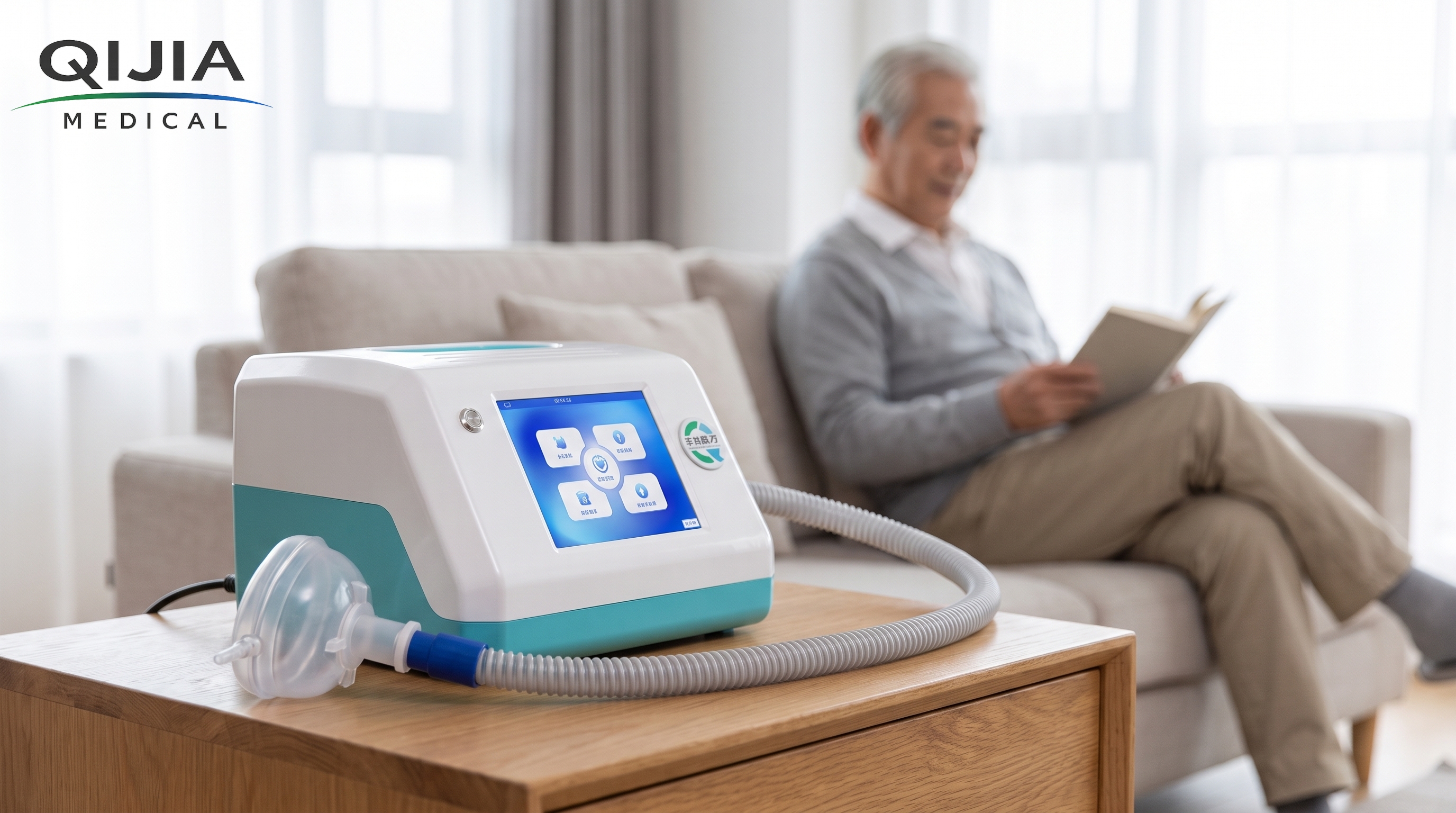
How Can a Cough Assist Device Support Spinal Cord Injury Rehabilitation?
For selected patients with spinal cord injuries and an ineffective cough, mechanical cough assistance may be incorporated into a respiratory management plan. Rather than relying entirely on the patient's own respiratory muscle strength, a Cough Assist Device generates controlled pressure changes to help create expiratory airflow.
Potential applications include:
Respiratory rehabilitation: Providing additional cough assistance when respiratory muscle weakness limits natural airway clearance.
Long-term care: Supporting airway secretion management for patients with persistent cough impairment.
During respiratory illness: Helping manage increased secretion-clearance needs when clinically indicated.
Rehabilitation facility care: Offering another airway management option as part of a broader respiratory care program.
Cough assistance does not restore the damaged spinal cord or directly treat the underlying injury. Its role is to support a specific respiratory function that may be compromised. Treatment settings and suitability should be determined by qualified healthcare professionals according to the patient's respiratory status and clinical needs.
2. Pediatric Respiratory Care: Supporting Children with Ineffective Cough
Respiratory care can be particularly complex for children with certain neuromuscular or congenital conditions. Some children experience progressive or persistent respiratory muscle weakness that affects their ability to take deep breaths and produce an effective cough.
Conditions such as spinal muscular atrophy (SMA) and Duchenne muscular dystrophy (DMD) can affect respiratory muscle function. In some patients, an ineffective cough makes it difficult to clear secretions, especially during respiratory infections. Younger children may also have difficulty communicating breathing discomfort or cooperating with conventional airway clearance techniques.
When airway secretions accumulate and cannot be cleared effectively, the risk of respiratory complications can increase. For children with complex respiratory needs, early assessment of cough effectiveness and an individualized airway clearance plan are important components of ongoing care.
When Is Mechanical Cough Assistance Considered for Children?
A Cough Assist Device may be considered for selected pediatric patients who have clinically significant cough weakness. Mechanical insufflation-exsufflation can help generate airflow without requiring the child to produce the entire coughing effort independently.
Depending on the child's condition, a healthcare team may evaluate cough assistance as part of a wider respiratory care strategy that could also include secretion monitoring, suctioning when necessary, respiratory support, and caregiver education.
Important considerations include:
Individual assessment: A child's age, diagnosis, respiratory function, and ability to tolerate treatment must be considered.
Appropriate settings: Pressure levels, treatment timing, and interfaces should be selected by trained healthcare professionals.
Caregiver training: Parents and other caregivers may need practical instruction in safe operation and recognition of respiratory warning signs.
Ongoing follow-up: Treatment requirements may change as a child grows or their medical condition changes.
Pediatric use requires particular care because respiratory anatomy, tolerance, and clinical needs vary considerably. A Cough Assist Device should not be used in children simply because they have a respiratory diagnosis; a qualified clinical team must determine whether the device is appropriate.
3. Home Respiratory Management: Extending Airway Care Beyond the Hospital
For some patients with chronic respiratory conditions, airway management is not limited to a hospital stay. They may need ongoing support at home because of persistent respiratory muscle weakness, neuromuscular disease, or other conditions that reduce cough effectiveness.
Home respiratory care can help eligible patients follow an established treatment plan in a familiar environment. However, managing respiratory needs outside a hospital also introduces challenges, including equipment maintenance, caregiver preparedness, and knowing when additional medical attention is required.
The Role of a Cough Assist Device in Home Care
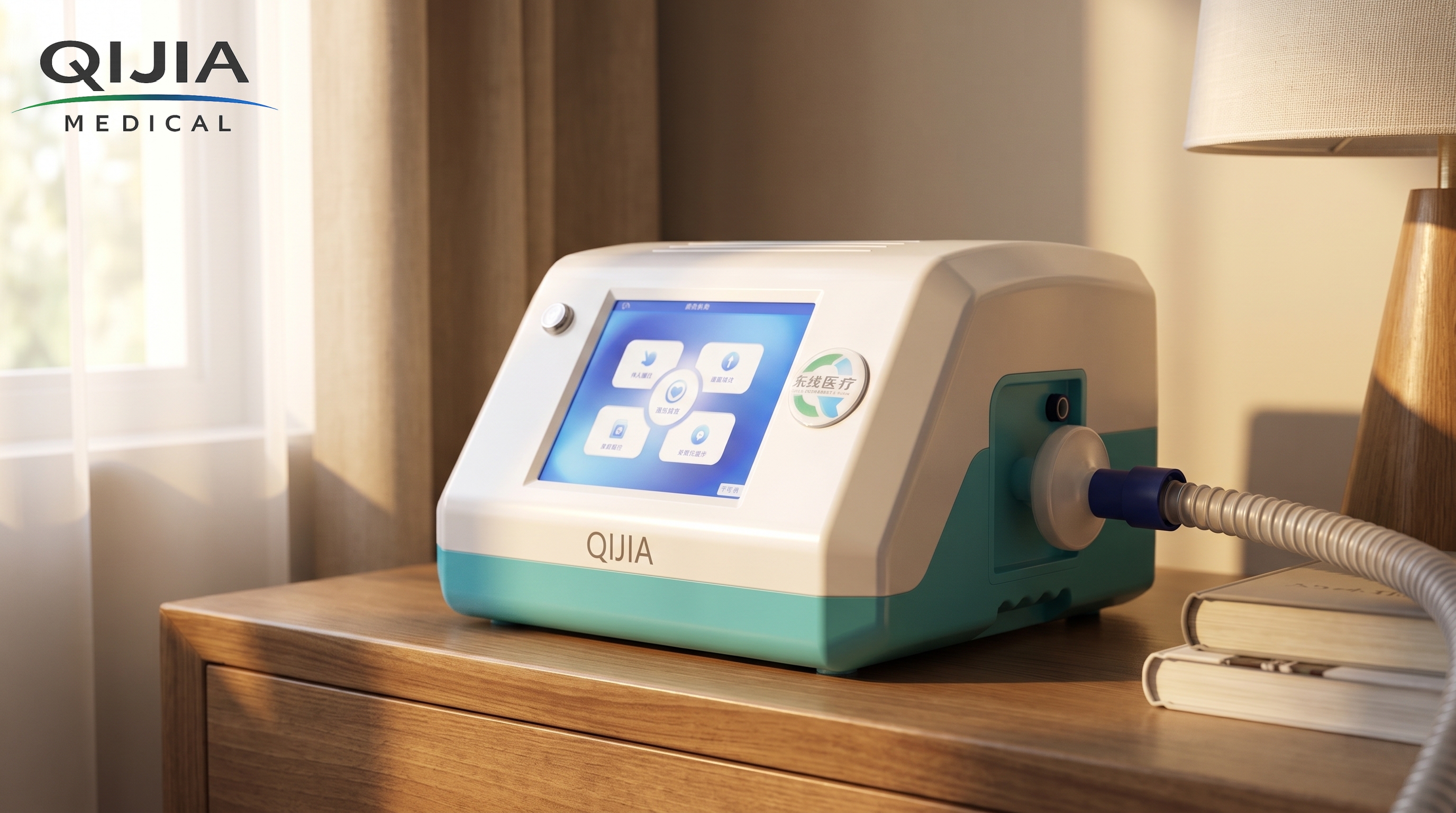
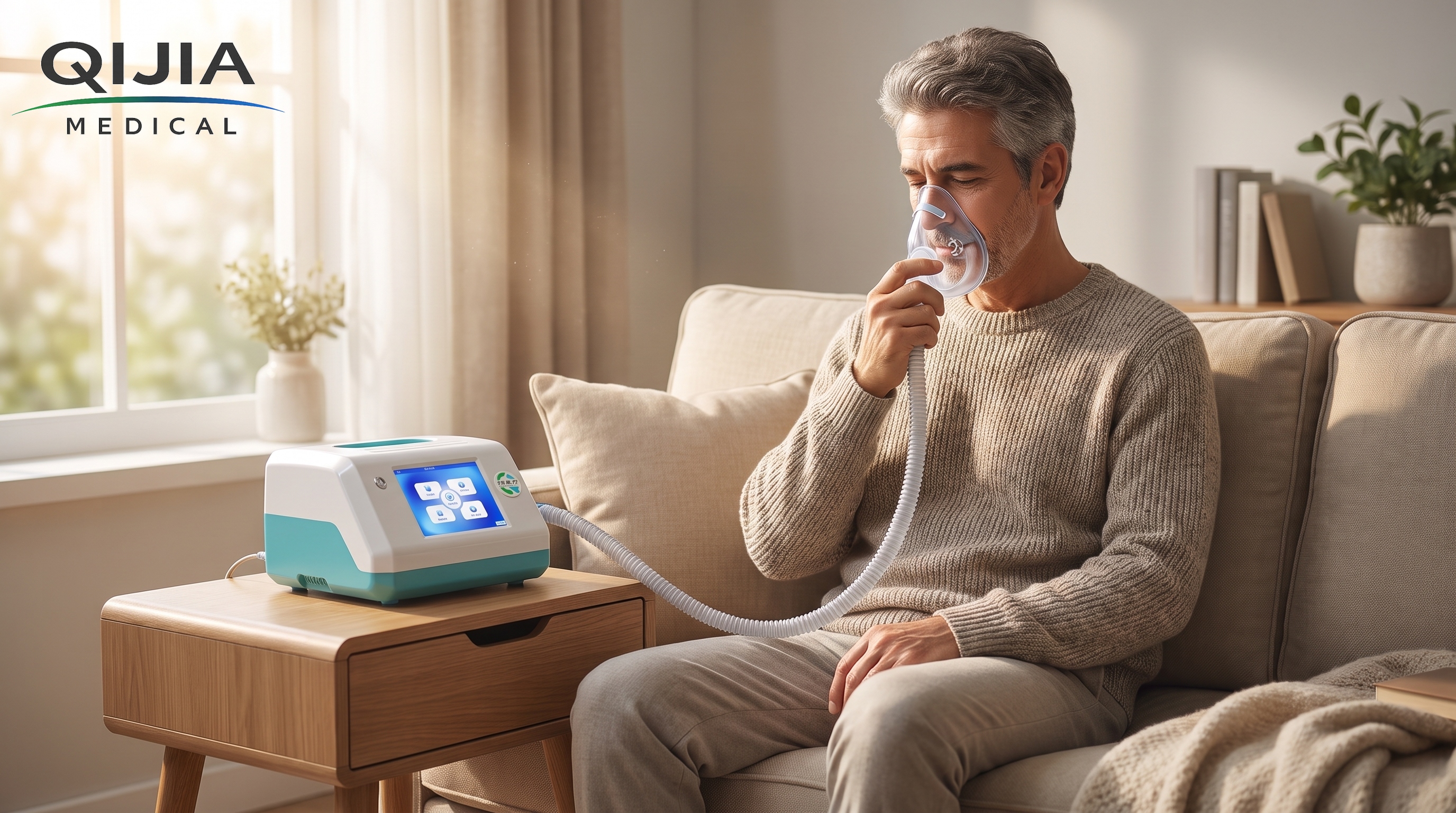
For patients who have been assessed and prescribed mechanical cough assistance, a Cough Assist Device can form part of a structured home airway management routine. The device helps simulate coughing through a controlled sequence of positive and negative airway pressures, supporting secretion clearance when the patient's own cough is insufficient.
Its potential role in home care may include:
Routine airway clearance: Supporting a prescribed plan for patients with persistent ineffective cough.
Long-term respiratory management: Providing a mechanical assistance option for suitable patients who need ongoing care.
Caregiver-supported treatment: Helping trained caregivers follow the treatment instructions established by the clinical team.
Continuity of care: Complementing respiratory follow-up and other prescribed airway management techniques.
Home use does not mean that professional supervision and medical follow-up are unnecessary. Patients who require ventilation, tracheostomy care, or suctioning may continue to need those interventions alongside cough assistance. A Cough Assist Device does not replace emergency respiratory support or other essential prescribed treatments.
Building a Safer Home Respiratory Care Routine
Effective home respiratory management involves more than selecting a medical device. Patients and caregivers should understand the prescribed treatment procedure, maintain the equipment according to the manufacturer's instructions, and know how to respond when respiratory symptoms worsen.
Increased breathing difficulty, changes in oxygen levels when monitored, fever, unusual fatigue, or an inability to manage secretions may indicate a need for prompt clinical assessment. Severe breathing difficulty or other signs of respiratory distress require urgent medical attention.
Before starting or changing mechanical cough assistance at home, healthcare professionals should evaluate the patient's condition, determine suitable treatment settings, and explain any precautions. Certain medical conditions may increase the risks associated with pressure-based airway clearance, so individual screening is important.
How Does a Cough Assist Device Work?
Mechanical Insufflation-Exsufflation technology is designed to reproduce key airflow changes involved in natural coughing. The treatment generally involves three stages:
Insufflation: Positive pressure helps deliver air into the lungs.
Exsufflation: A rapid transition to negative pressure generates outward airflow to assist coughing.
Pressure transition and timing: The treatment cycle is controlled according to the prescribed settings and the patient's tolerance.
For suitable patients, this process can help mobilize airway secretions toward the upper airway, where they may be cleared through coughing or other clinically appropriate methods.
The effectiveness of treatment depends on several factors, including the underlying condition, secretion characteristics, airway function, interface selection, and prescribed settings. Mechanical cough assistance is one component of airway management rather than a complete replacement for respiratory assessment or other necessary interventions.
What Healthcare Providers Should Consider When Selecting a Cough Assist Device
Hospitals, rehabilitation centers, respiratory care providers, and medical equipment distributors should consider both clinical application requirements and the manufacturer's capabilities when evaluating a Cough Assist Device.
Important factors include:
Adjustable inspiratory and expiratory pressure settings.
Configurable treatment time to accommodate prescribed therapy protocols.
Suitable patient interfaces for the intended clinical applications.
Clear operating instructions and accessible technical support.
Product quality, documentation, maintenance requirements, and after-sales service.
For distributors and healthcare organizations serving different markets, consistent product information and responsive manufacturer communication can also support product evaluation and long-term cooperation.
QIJIA MEDICAL provides respiratory care and rehabilitation equipment solutions for international healthcare partners. Our Cough Assist Device features adjustable inspiratory pressure, expiratory pressure, and treatment time, allowing healthcare professionals to configure treatment according to individual requirements and the device's intended use.
Explore our Cough Assist Device product page for more information about the equipment and its applications.
QIJIA MEDICAL: Respiratory Care Equipment and OEM/ODM Cooperation
As healthcare providers respond to the needs of patients requiring respiratory support, access to appropriate medical equipment and dependable manufacturing partners remains important. Product selection should take into account intended use, applicable regulatory requirements, technical documentation, and local market needs.
QIJIA MEDICAL works with international medical equipment distributors and healthcare partners, offering OEM/ODM cooperation opportunities across its medical equipment portfolio.
Learn more about our company, manufacturing capabilities, and cooperation opportunities on the QIJIA MEDICAL About Us page.
For product specifications, distribution inquiries, or potential OEM/ODM projects, please contact our team to discuss your requirements.
Frequently Asked Questions (FAQ)
1. What is a Cough Assist Device used for?
A Cough Assist Device helps patients who cannot produce an effective cough independently. It uses mechanical insufflation-exsufflation to generate airflow that supports airway secretion clearance in appropriately selected patients.
2. Can a Cough Assist Device help patients with spinal cord injuries?
It may be considered for patients whose spinal cord injury has resulted in an ineffective cough. A healthcare professional should assess respiratory muscle function and determine whether mechanical cough assistance is appropriate.
3. Can children use a Cough Assist Device?
Some children with neuromuscular conditions or other causes of ineffective cough may benefit from mechanical cough assistance. Pediatric treatment requires individualized assessment, suitable settings, and guidance from qualified healthcare professionals.
4. Is a Cough Assist Device suitable for home use?
Some patients may use a Cough Assist Device at home as part of a prescribed respiratory care plan. Appropriate patient selection, caregiver training, equipment maintenance, and regular clinical follow-up are important.
5. Does a Cough Assist Device replace suctioning or ventilation?
No. Cough assistance, suctioning, and ventilation serve different purposes. Depending on the patient's condition, a Cough Assist Device may complement other respiratory interventions but does not automatically replace them.
6. Are there precautions when using mechanical cough assistance?
Yes. Certain respiratory, cardiovascular, or other medical conditions may require additional assessment or precautions. Treatment settings and suitability should be determined by qualified healthcare professionals, and the manufacturer's instructions should always be followed.
7. What parameters can be adjusted on the QIJIA MEDICAL Cough Assist Device?
The QIJIA MEDICAL device provides adjustable inspiratory pressure, expiratory pressure, and treatment time. Appropriate settings depend on the patient's clinical needs and should be established by trained healthcare professionals.
QIJIA MEDICAL — Connecting healthcare solutions worldwide.