







Schizophrenia and Cognitive Impairment: Why Working Memory Matters in Long-Term Patient Rehabilitation
Schizophrenia is a complex psychiatric disorder that affects how individuals think, perceive information, process emotions, and interact with the world around them. While hallucinations, delusions, and disorganized thinking are among its most recognized symptoms, another important aspect of the condition often receives less attention: cognitive impairment.
For many individuals living with schizophrenia, difficulties with memory, attention, information processing, and problem-solving can remain challenging even when major psychiatric symptoms become relatively stable.
These cognitive difficulties can have far-reaching consequences. They may interfere with education, employment, communication, independent living, and the ability to participate in social activities. In particular, working memory impairment can make ordinary daily tasks unexpectedly difficult.
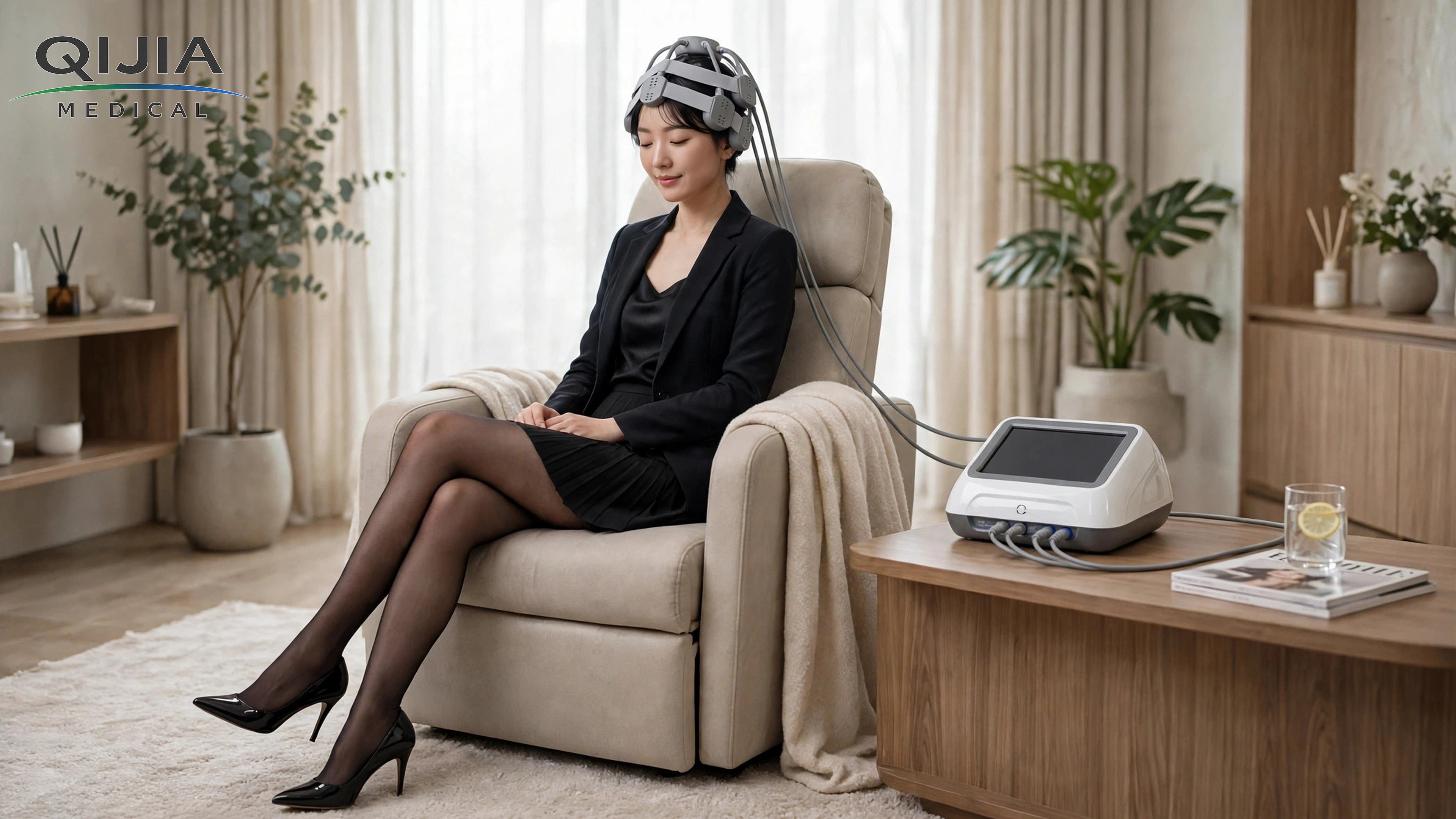
As researchers continue exploring the neurological mechanisms behind cognitive dysfunction, non-invasive brain stimulation technologies, including transcranial magnetic stimulation (TMS), have attracted increasing scientific interest.
1. Schizophrenia Is More Than a Disorder of Perception
Schizophrenia is commonly associated with psychotic symptoms, but its clinical characteristics extend beyond disturbances in perception and thought content.
Healthcare professionals generally recognize three broad symptom categories:
Positive Symptoms
Positive symptoms involve experiences or behaviors that are added to normal mental functioning. These may include:
Hallucinations, such as hearing voices or perceiving things that are not present.
Delusions or strongly held beliefs that are inconsistent with available evidence.
Disorganized thinking and speech.
Unusual or disorganized behavior.
Negative Symptoms
Negative symptoms involve a reduction or loss of normal emotional and behavioral functions. Common examples include:
Reduced motivation and initiative.
Limited emotional expression.
Social withdrawal.
Reduced interest in previously enjoyable activities.
Difficulty maintaining everyday routines.
Cognitive Symptoms
Cognitive impairment is another major component of schizophrenia. Unlike hallucinations or delusions, cognitive difficulties may be less visible to family members and caregivers.
However, they can substantially affect a person's ability to understand information, remember instructions, organize activities, and make decisions.
Importantly, cognitive symptoms do not necessarily disappear when psychotic symptoms improve. Some individuals continue to experience significant cognitive difficulties during periods of clinical stability.
2. Cognitive Impairment: An Often Overlooked Long-Term Challenge
Cognitive functioning plays a fundamental role in almost every aspect of independent living. When several cognitive abilities become impaired, even relatively simple daily activities can require considerable effort.
In schizophrenia, commonly affected cognitive domains include:
Working Memory Deficits
Working memory refers to the ability to temporarily hold and manipulate information while performing a task.
For example, remembering several instructions while completing an activity, following a conversation, or mentally comparing different options all require working memory.
When this ability is impaired, patients may struggle to:
Remember instructions while carrying out daily activities.
Follow conversations involving multiple pieces of information.
Complete tasks that require several consecutive steps.
Learn and retain new information.
Attention and Concentration Problems
Attention allows individuals to focus on relevant information while filtering out distractions.
Patients with attention difficulties may find it challenging to concentrate during conversations, educational activities, or workplace tasks. Distractions can interrupt their ability to process information and complete activities efficiently.
Processing Speed and Executive Dysfunction
Processing speed refers to how efficiently the brain receives, interprets, and responds to information.
Executive functions involve planning, organizing, decision-making, and adapting behavior to changing circumstances.
When these abilities are affected, patients may experience difficulties managing schedules, solving everyday problems, making independent decisions, and adapting to unfamiliar situations.
3. Why Cognitive Dysfunction Can Seriously Affect Daily Life
The consequences of schizophrenia-related cognitive impairment extend beyond clinical test scores. They can directly influence a person's ability to maintain relationships, pursue education, participate in employment, and live independently.
Reduced Educational and Employment Opportunities
Learning and working require continuous information processing, concentration, memory, and decision-making.
A person who struggles to retain instructions or organize information may experience difficulties completing assignments, learning new skills, or maintaining consistent work performance.
Over time, these challenges can reduce opportunities for education, professional development, and long-term employment.
Difficulty Maintaining Independent Living
Everyday independence depends on a combination of cognitive abilities.
Managing appointments, remembering medication schedules, preparing meals, organizing household responsibilities, and handling personal finances all require different levels of memory and executive functioning.
Significant cognitive difficulties may increase dependence on family members or caregivers, particularly when several cognitive domains are affected simultaneously.
Social Isolation and Communication Barriers
Effective communication requires attention, memory, information processing, and the ability to interpret social situations.
When these abilities are impaired, patients may find it difficult to follow conversations, respond appropriately, or maintain meaningful social interactions.
Repeated difficulties can contribute to frustration, reduced confidence, and social withdrawal.
Long-Term Rehabilitation Challenges
Even when psychiatric symptoms are managed, cognitive difficulties may continue to interfere with rehabilitation progress.
Patients may require additional support to understand instructions, learn new coping strategies, and consistently participate in structured rehabilitation activities.
This is why schizophrenia management should not focus exclusively on reducing psychotic symptoms. Cognitive assessment and functional rehabilitation are also important components of long-term care.
4. Understanding the Brain Mechanisms Behind Working Memory
Working memory depends on coordinated activity across several interconnected brain regions, particularly networks involving the prefrontal cortex.
The dorsolateral prefrontal cortex (DLPFC) is especially important for maintaining and manipulating information, organizing thoughts, and supporting goal-directed behavior.
Research into schizophrenia has identified differences in the activity and connectivity of neural networks involved in these processes.
These differences may contribute to difficulties with working memory, attention, and executive functioning.
However, cognitive dysfunction is not explained by a single brain region or one isolated neurological mechanism. It involves complex interactions among multiple neural systems.
Understanding these mechanisms is important because it provides researchers with potential targets for developing additional cognitive rehabilitation strategies.
5. Emerging Research: Can Brain Stimulation Support Working Memory?
Traditional schizophrenia treatment primarily focuses on managing psychiatric symptoms through appropriate medication and psychosocial interventions.
However, existing treatments do not consistently resolve every aspect of cognitive impairment. This has encouraged researchers to investigate additional approaches that may influence the neural networks involved in cognitive processing.
Two non-invasive brain stimulation technologies receiving scientific attention are:
Transcranial Direct Current Stimulation (tDCS): Uses low-intensity direct electrical current delivered through electrodes placed on the scalp.
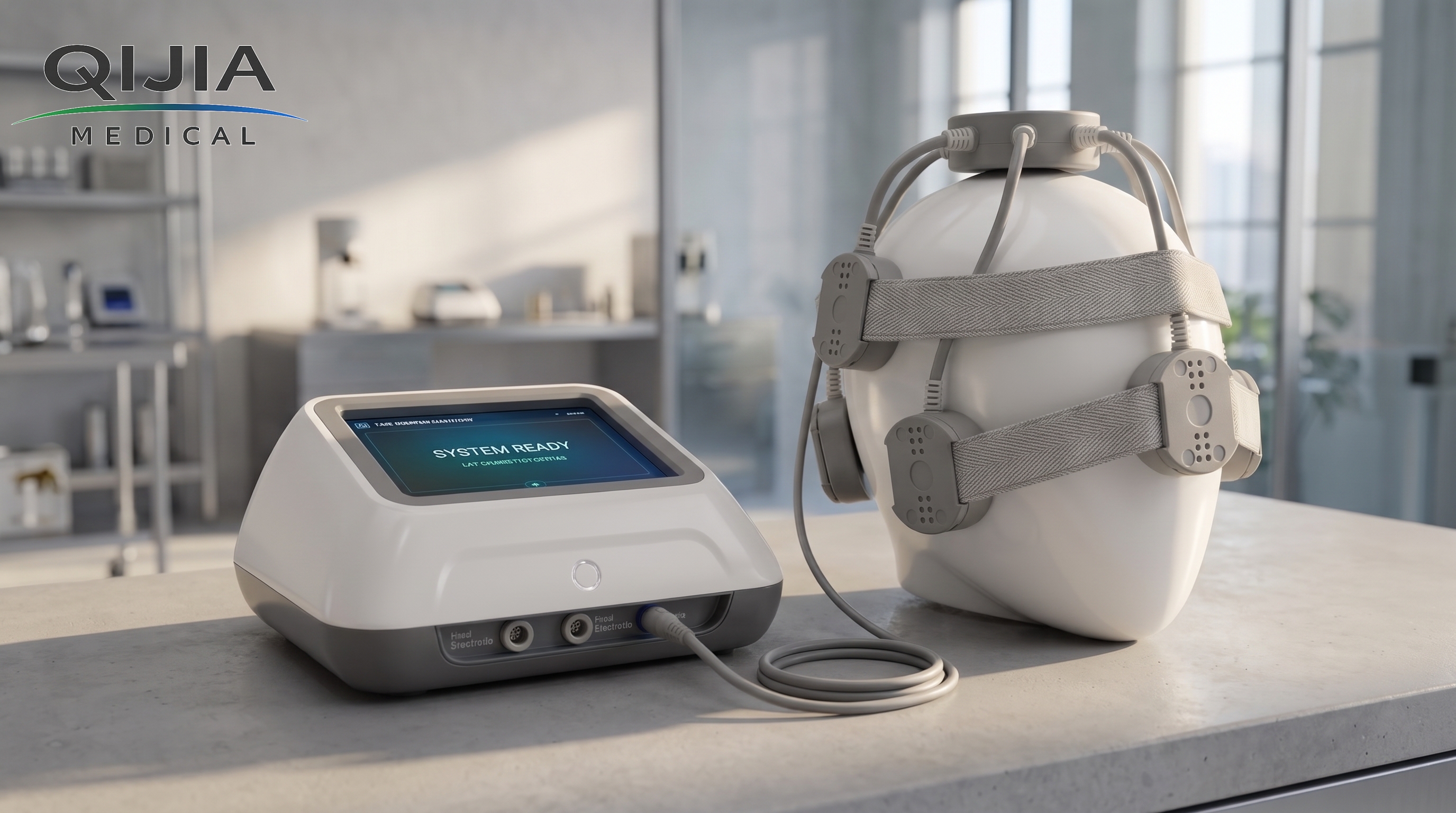
Transcranial Magnetic Stimulation (TMS): Uses magnetic pulses generated by a stimulation coil to induce electrical activity in targeted brain regions.
Although both technologies are used in neuromodulation research, they operate through different physical mechanisms and require different treatment protocols.
Recent Clinical Research on Bifrontal tDCS
A randomized, double-blind, sham-controlled study involving 120 clinically stable outpatients with schizophrenia investigated the relationship between bifrontal tDCS and cognitive performance.
The stimulation protocol used a 2 mA direct current, with the anode positioned over the left frontal region (F3) and the cathode over the right frontal region (F4). Each session lasted 20 minutes, with treatment delivered across 10 weekday sessions.
The study reported several important findings:
Active bifrontal tDCS produced significantly greater improvements in working memory than sham stimulation.
The difference between treatment groups was statistically significant (p < 0.001).
No significant interaction between biological sex and treatment response was identified.
The adjusted effect on the overall neurocognition composite score was not statistically significant.
These findings are important because they suggest that improvements in one specific cognitive domain do not necessarily translate into improvements across all cognitive functions.
In other words, working memory may respond differently from attention, processing speed, or broader executive functioning.
What Does This Mean for TMS Research?
The tDCS findings provide an example of how targeted non-invasive brain stimulation is being investigated for specific cognitive difficulties associated with schizophrenia.
However, tDCS and TMS must not be treated as interchangeable technologies.
A separate systematic review published in 2024 examined 13 randomized controlled trials investigating repetitive transcranial magnetic stimulation for working memory deficits in schizophrenia.
The review found that the overall therapeutic effects of TMS were comparable to sham stimulation across the included studies. The authors concluded that evidence supporting rTMS specifically for working memory impairment remained preliminary.
Nevertheless, research involving the dorsolateral prefrontal cortex and neural oscillatory activity continues to provide useful directions for future neuromodulation studies.
Further well-designed clinical trials are needed to establish which stimulation protocols, treatment targets, and patient populations may benefit from these approaches.
6. TMS and Its Potential Role in Neurological and Psychiatric Research
Transcranial Magnetic Stimulation is a non-invasive technology that uses electromagnetic induction to influence neuronal activity.
During treatment, a stimulation coil is positioned near the patient's head. Rapidly changing magnetic fields generate electrical currents in targeted cortical tissue, allowing researchers and clinicians to investigate or modulate brain activity.
Repetitive TMS (rTMS) delivers a series of magnetic pulses according to a defined stimulation protocol.
Depending on the stimulation frequency, intensity, coil position, and treatment schedule, different neuromodulatory effects may be observed.
Why Is the Prefrontal Cortex an Important Research Target?
The prefrontal cortex is involved in several higher-order cognitive processes, including:
Working memory and information maintenance.
Attention and concentration.
Planning and decision-making.
Behavioral regulation and executive control.
Because these functions can be affected in schizophrenia, prefrontal stimulation has become an important area of investigation in rTMS research.
Researchers are exploring whether specific stimulation protocols can influence cortical activity and functional networks associated with cognitive processing.
It is important to emphasize that the potential application of TMS for cognitive impairment in schizophrenia remains an active research area. Current evidence does not establish TMS as a proven treatment for working memory deficits in this population.
7. Safety and Clinical Considerations in Brain Stimulation
Non-invasive does not mean completely risk-free. Before introducing TMS into a clinical or research setting, appropriate patient screening and professional supervision are essential.
Potential side effects associated with TMS include:
Temporary headache.
Scalp discomfort or tenderness.
Facial muscle twitching during stimulation.
Temporary fatigue or discomfort.
Seizures are rare but represent a potentially serious adverse event associated with TMS. The risk must be evaluated according to the patient's medical history and the intended stimulation protocol.
Important Patient Screening Requirements
Before treatment, healthcare professionals should assess:
History of seizures or other relevant neurological conditions.
Presence of implanted electronic devices or metallic implants near the stimulation area.
Current medications and factors that may influence seizure threshold.
Previous neurological procedures and relevant medical conditions.
Individual suitability for the proposed stimulation protocol.
Appropriate hearing protection should also be provided during stimulation sessions.
For patients with schizophrenia, psychiatric assessment and ongoing medication management remain essential. TMS should only be considered within an appropriately supervised clinical framework and must not replace prescribed antipsychotic treatment or established psychiatric care.
8. QIJIA MEDICAL: TMS Equipment for the Medical and Rehabilitation Industry
Growing research into non-invasive neuromodulation highlights the importance of reliable medical equipment and adaptable stimulation technologies.
For hospitals, rehabilitation centers, psychiatric institutions, and medical equipment distributors, selecting suitable TMS equipment involves evaluating technical specifications, stimulation capabilities, operational safety, equipment reliability, and manufacturer support.
QIJIA MEDICAL is a medical equipment manufacturer integrating research and development, production, and product integration, with a focus on neurological rehabilitation, magnetic stimulation, respiratory rehabilitation, and physical rehabilitation technologies.
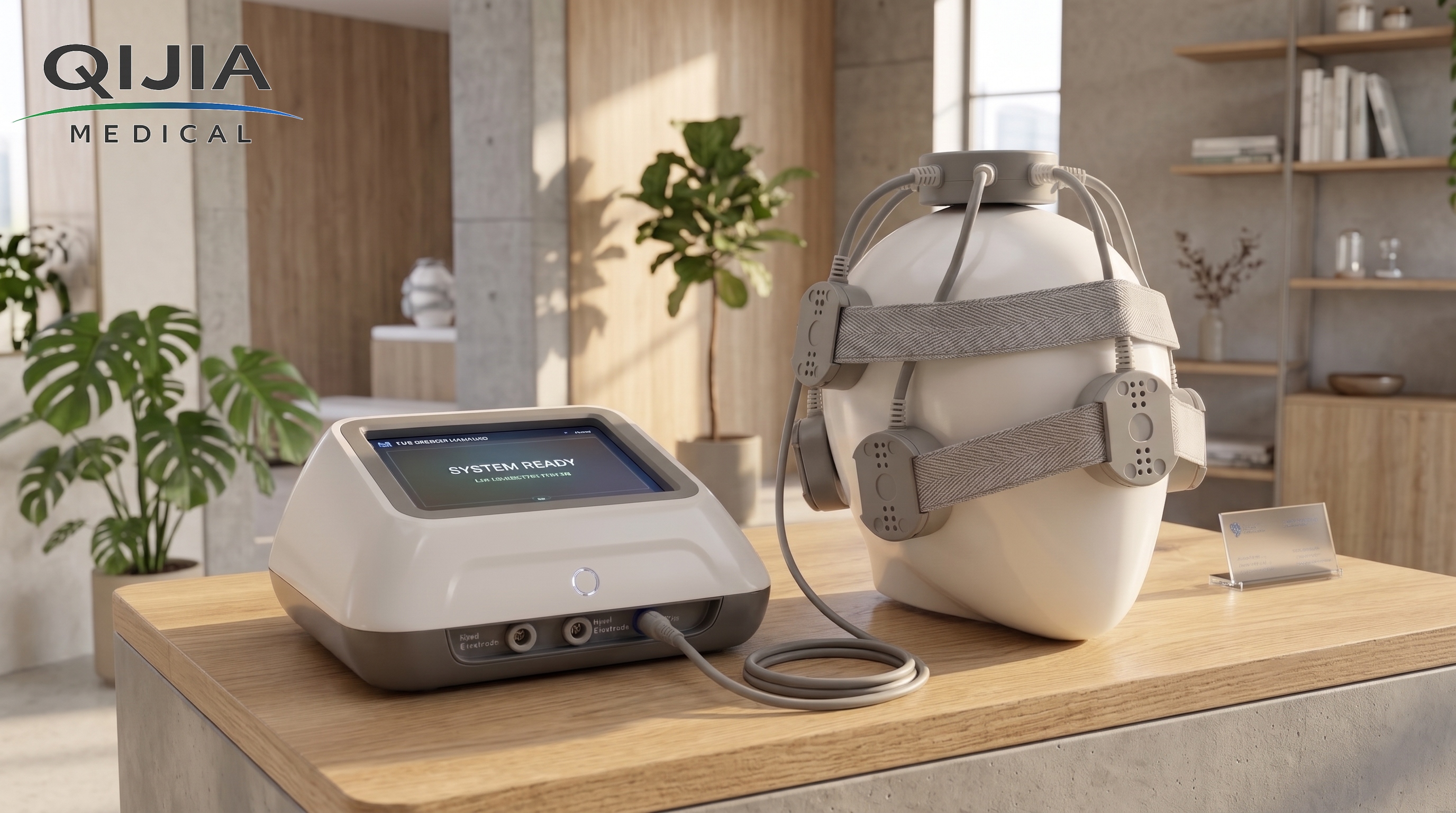
Our TMS product range is developed for professional medical equipment markets, supporting healthcare institutions and international distribution partners seeking non-invasive magnetic stimulation equipment.
As a manufacturer with an established R&D and production system, QIJIA MEDICAL also provides OEM/ODM cooperation opportunities, including customized product solutions for qualified business partners.
Explore our Transcranial Magnetic Stimulation (TMS) equipment to learn more about available models and product information.
For distributors and institutional buyers interested in manufacturing capabilities, product development, and customized cooperation, visit About QIJIA MEDICAL.
For technical inquiries, product specifications, and OEM/ODM discussions, please contact our team.
9. Looking Beyond Psychiatric Symptoms: The Importance of Cognitive Rehabilitation
Schizophrenia management requires a comprehensive approach that considers more than the visible symptoms of psychosis.
Memory, attention, information processing, and executive functioning are essential to everyday independence. When these abilities are impaired, patients may continue to experience significant difficulties even during periods of psychiatric stability.
Improving long-term outcomes therefore requires attention to both symptom management and functional recovery.
Medication, psychological interventions, cognitive remediation, social support, and structured rehabilitation all have important roles in comprehensive care.
Meanwhile, ongoing research into TMS and other non-invasive brain stimulation technologies is expanding scientific understanding of how neural activity may be influenced to support specific cognitive functions.
Although substantial clinical validation is still required, continued collaboration between researchers, healthcare professionals, and medical technology manufacturers will remain important in advancing future rehabilitation solutions.
Frequently Asked Questions (FAQ)
1. What types of cognitive impairment are common in schizophrenia?
Common cognitive difficulties include working memory deficits, reduced attention, slower information processing, impaired executive functioning, and difficulties with verbal and visual learning. The severity and combination of symptoms vary between individuals.
2. Can cognitive impairment continue even when schizophrenia symptoms are stable?
Yes. Some patients continue to experience memory, attention, and problem-solving difficulties even when hallucinations and delusions are better controlled. This is why cognitive assessment and functional rehabilitation remain important.
3. Why is working memory important for schizophrenia patients?
Working memory helps individuals temporarily retain and process information. It is essential for following instructions, understanding conversations, learning new skills, and completing everyday activities. Impairment can therefore affect independence, education, and employment.
4. Can TMS improve cognitive function in schizophrenia?
Researchers are investigating the potential of rTMS to influence cognitive functions such as working memory. However, current systematic review evidence remains preliminary and has not established consistent benefits over sham stimulation. Further clinical trials are necessary.
5. What is the difference between TMS and tDCS?
TMS uses magnetic fields to induce electrical activity in targeted brain tissue, while tDCS applies low-intensity direct electrical current through scalp electrodes. Both are non-invasive brain stimulation technologies, but their mechanisms, equipment, and treatment protocols are different.
6. Is TMS safe for patients with schizophrenia?
TMS is generally well tolerated when administered according to appropriate safety guidelines. However, individual screening is necessary, particularly regarding seizure history, medications, and implanted devices. Treatment should be supervised by qualified healthcare professionals.
7. Does QIJIA MEDICAL provide TMS equipment and OEM/ODM services?
Yes. QIJIA MEDICAL provides TMS equipment solutions for international medical equipment markets and supports OEM/ODM cooperation. Hospitals, rehabilitation institutions, and distributors can contact our team to discuss product specifications and customized requirements.
References and Further Reading
World Health Organization. (2026). Schizophrenia.WHO – Schizophrenia
National Institute of Mental Health. Schizophrenia.NIMH – Schizophrenia
García-Fernández, L., et al. (2026). Sex-stratified cognitive response to transcranial direct current stimulation in schizophrenia: a randomized controlled trial. Journal of NeuroEngineering and Rehabilitation.https://doi.org/10.1186/s12984-026-02177-2
Li, L., et al. (2024). Repetitive Transcranial Magnetic Stimulation for Working Memory Deficits in Schizophrenia: A Systematic Review of Randomized Controlled Trials. Neuropsychiatric Disease and Treatment, 20, 649–662.https://doi.org/10.2147/NDT.S450303
Indian Journal of Psychiatry. (2025). Clinical practice guidelines for assessment and management of cognitive impairment in schizophrenia.Read the clinical practice guidelines
Rossi, S., et al. (2021). Safety and recommendations for TMS use in healthy subjects and patient populations, with updates on training, ethical and regulatory issues: Expert Guidelines. Clinical Neurophysiology, 132(1), 269–306.https://doi.org/10.1016/j.clinph.2020.10.003
Medical Disclaimer: This article is intended for educational and informational purposes only. TMS and tDCS are different brain stimulation technologies, and findings from one technology should not be interpreted as evidence of effectiveness for the other. TMS is not a cure for schizophrenia and should not replace prescribed medication or established psychiatric treatment. All clinical decisions should be made by qualified healthcare professionals following individual assessment and applicable medical guidelines.